

Fascia and the Vagus Nerve: Why Your Connective Tissue Affects Calm
Quick answer: Fascia and the vagus nerve are physically intertwined: tight connective tissue — especially in the neck, thorax, and diaphragm — can dampen vagal tone and keep the nervous system in a stress state. Slow, sustained myofascial release at key sites, combined with deep breathing, helps restore parasympathetic balance and supports faster recovery.
Fascia and vagus nerve function are physically intertwined in ways that shape how calm or stressed your nervous system feels at any given moment, making this one of the most underappreciated relationships in human physiology. Most people think of fascia purely as a structural wrapping around muscles, but emerging research shows it is also a sensory organ — one that can directly influence autonomic regulation in ways that affect recovery, resilience, and overall wellbeing.

What Is Fascia, and Why Does It Matter for Your Nervous System?
Fascia is a continuous web of connective tissue that surrounds every muscle, bone, organ, and nerve in the body. Far from inert packaging, it is densely packed with mechanoreceptors—sensory nerve endings that detect pressure, stretch, and movement. When injury, poor posture, or repetitive stress restricts fascia, those receptors send distress signals that can keep your nervous system in a low-grade fight-or-flight state.
Connective tissue tension in the neck and thorax is especially significant. The vagus nerve — the longest cranial nerve in the body — travels from the brainstem down through the neck, chest, and abdomen. Tight fascia in any of those regions can mechanically compress or irritate the nerve’s surrounding sheath, potentially disrupting the calm, parasympathetic signals it carries to your heart, lungs, and gut.
How Fascia and Vagus Nerve Pathways Communicate
Research published in Frontiers in Neuroscience has shown that fascial tissue contains a rich network of free nerve endings, including branches that feed into the autonomic nervous system. When you apply sustained pressure to a restricted area — as in myofascial release — you stimulate those mechanoreceptors, which in turn send signals along afferent pathways that converge with vagal circuits in the brainstem.
In plain language: releasing tight fascia may help nudge your nervous system toward a parasympathetic (rest-and-digest) state. This is one reason why a good massage or foam-rolling session often leaves people feeling genuinely calmer, not just physically looser.
Connective Tissue Tension and Vagal Tone
Vagal tone measures how efficiently the vagus nerve regulates heart rate, digestion, and inflammation. Higher vagal tone is linked to greater stress resilience, a lower resting heart rate, and faster recovery from exercise. Chronic connective tissue tension — especially in the suboccipital region at the base of the skull, the cervical spine, and the diaphragm — can dampen vagal tone by keeping the nervous system in a sympathetic-dominant pattern.
Addressing that tension through deliberate bodywork is therefore not just about relieving sore muscles. It is about creating the physical conditions in which nervous system regulation can actually occur. Studies on myofascial release and autonomic function suggest measurable improvements in heart rate variability — a key marker of vagal tone — following soft-tissue interventions.
Myofascial Release as a Tool for Nervous System Regulation
Myofascial release techniques apply slow, sustained pressure to restricted areas of fascia, encouraging the tissue to soften and lengthen. Unlike aggressive deep-tissue work, the most effective approaches for nervous system regulation tend to be moderate in pressure and held long enough — typically 60 to 90 seconds per site — to allow the tissue and the nervous system to respond.
Key areas to target when your goal is to support vagal tone include:
- Base of skull and upper cervical spine — where the vagus nerve exits the brainstem
- Thoracic spine and ribcage — tight here can restrict diaphragmatic breathing, a primary vagal activator
- Abdomen and diaphragm — the vagus nerve innervates digestive organs directly
- Plantar fascia and feet — reflexive pathways connect foot pressure receptors to global nervous system tone
How to Release Suboccipital Fascia for Vagal Support
This is one of the most direct self-care approaches for the fascia and vagus nerve connection.
- Lie on your back on a firm surface such as the Tiger Tail Yoga Mat ($39.99).
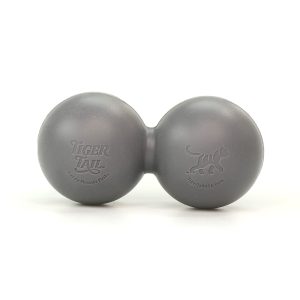
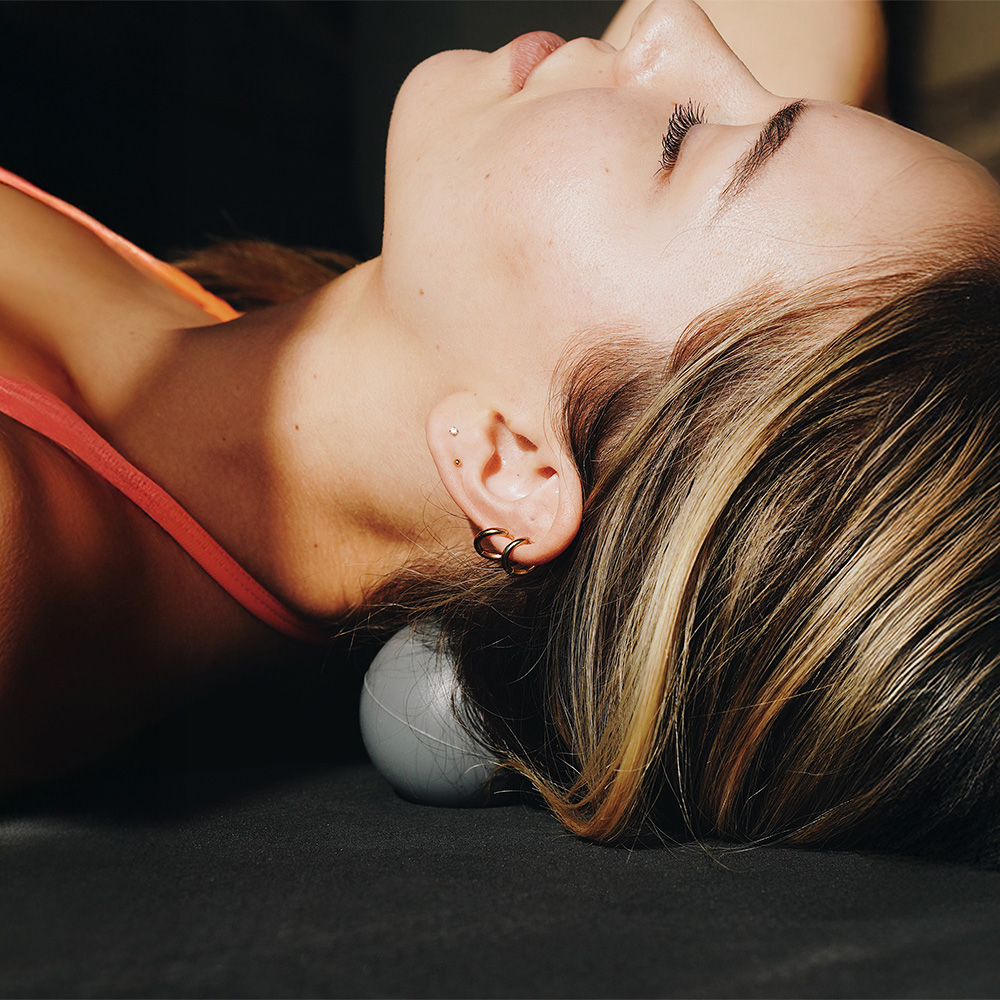
- Place the Tiger Ball® Peanut 2.4 Foam Roller ($29.99) under the base of your skull so each ball sits just beside the midline, cradling the suboccipital ridge.
- Breathe slowly and deeply through your nose for 60–90 seconds. Do not force your head down — let gravity do the work.
- Slowly nod your chin toward your chest five times, then return to neutral. This gentle movement glides the fascia against the roller.
- Shift the roller one centimeter down toward the mid-cervical spine and repeat the hold.
- Finish with three long, slow exhales to activate the parasympathetic response before sitting up.
The Tiger Tail Vagus Nerve Kit
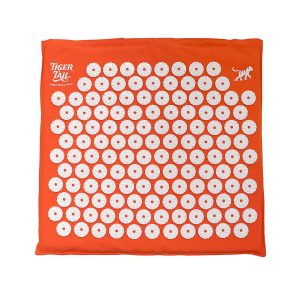
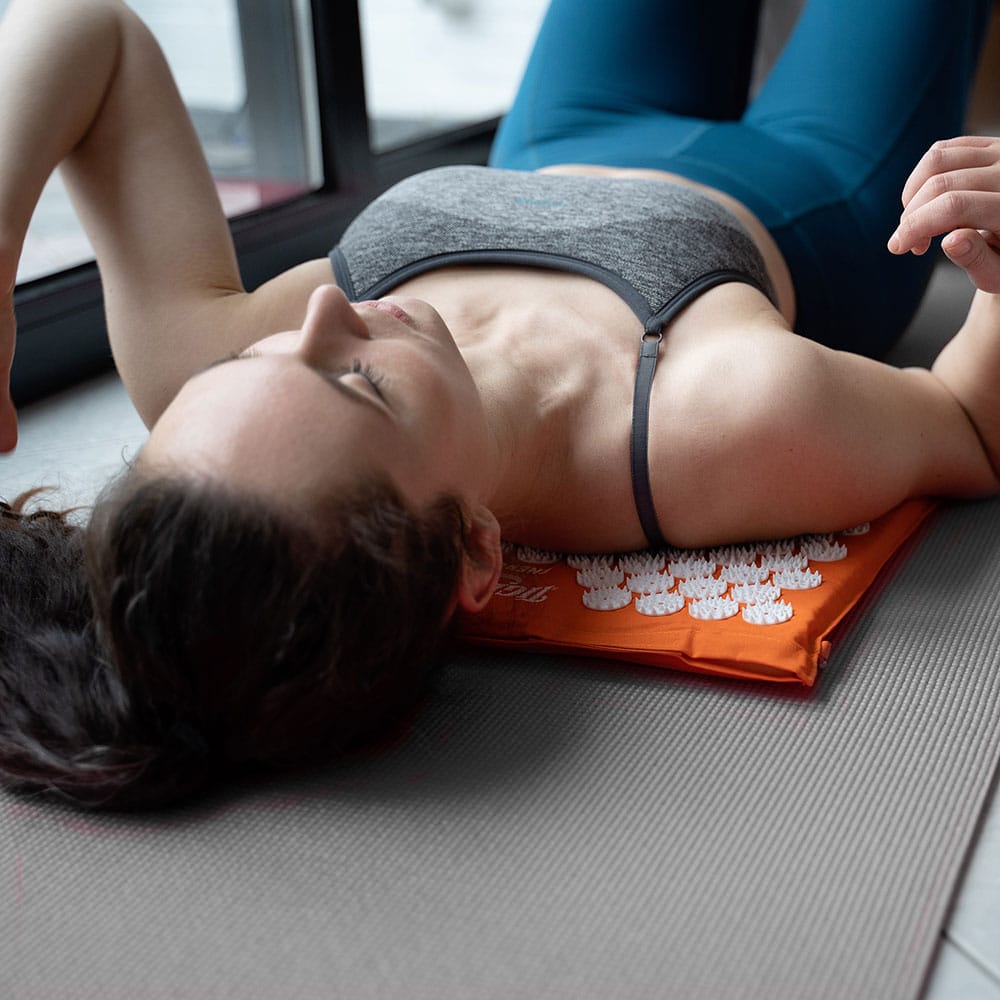
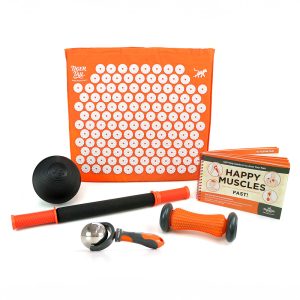
Tiger Tail USA has assembled a purpose-built Vagus Nerve Kit ($147.00) that bundles the tools most useful for this specific goal. It is designed around the idea that the vagus nerve is one of the cranial nerves that controls key parts of the autonomic nervous system, and that targeted fascial work is one of the most accessible ways to support it. If you want a structured starting point rather than building your own toolkit, this kit removes the guesswork.
For broader recovery support, the Rehab In A Bag Kit ($149.99) offers a portable clinic’s worth of tools that complement fascial work at every stage of recovery.
Breathing, Fascia, and the Vagus Nerve Working Together
Slow diaphragmatic breathing is the most well-documented way to directly stimulate the vagus nerve, and fascia plays a supporting role here too. The diaphragm is encased in fascial layers that connect to the pericardium above and the psoas below. When those layers are restricted — common in desk workers and athletes alike — full diaphragmatic excursion is limited, reducing the respiratory vagal signal with every breath.
Pairing myofascial release with deliberate slow breathing (inhale for 4 counts, exhale for 6–8 counts) amplifies the effect of both practices. Mechanically softening connective tissue tension creates space for deeper breathing; deeper breathing then reinforces the parasympathetic shift initiated by the fascial work.
“Fascia is not just scaffolding — it is a sensory interface between the physical body and the autonomic nervous system. Caring for it is caring for your capacity to recover.”
Understanding how fascia and vagus nerve function intertwine gives you a genuinely different lens on recovery. It is not simply about loosening tight muscles — it is about restoring the conditions under which your whole system can down-regulate, repair, and perform.
Frequently Asked Questions
Can releasing tight fascia actually calm the nervous system?
Yes. Fascia contains mechanoreceptors that feed into autonomic nerve pathways. Sustained myofascial release stimulates those receptors and can shift the nervous system toward a parasympathetic, rest-and-digest state, which is reflected in improved heart rate variability.
Where is fascia most likely to irritate the vagus nerve?
The suboccipital region at the base of the skull, the cervical spine, and the thoracic cage are the most clinically significant areas because the vagus nerve passes through or near all of them on its path from the brainstem to the abdomen.
How long should I hold a myofascial release technique to affect vagal tone?
Research on myofascial release suggests holding sustained pressure for 60 to 90 seconds per site to allow the tissue and nervous system to respond. Pairing the hold with slow, extended exhales amplifies the vagal effect.
What is vagal tone and why does connective tissue tension affect it?
Vagal tone measures how efficiently the vagus nerve regulates heart rate, digestion, and inflammation. Chronic connective tissue tension keeps the nervous system in a sympathetic-dominant pattern, which suppresses vagal tone and slows recovery.
Is the Tiger Tail Vagus Nerve Kit worth it for fascia work?
If you want a curated set of tools designed specifically for vagus nerve and fascial support, the Tiger Tail Vagus Nerve Kit ($147.00) offers a structured starting point. It removes the guesswork of choosing individual tools for this targeted goal.
Medical disclaimer: This article is for general informational and educational purposes only and is not a substitute for professional medical, veterinary, or fitness advice, diagnosis, or treatment. Always consult a qualified professional before starting a new exercise, recovery, or treatment program, or if you have any concerns about a health condition.
Safety disclaimer: Always read and follow the manufacturer’s instructions, warnings, and usage guidelines for any product or equipment mentioned here. Use tools and techniques as directed and within your own ability; start gently, stop if you feel pain or discomfort, and seek professional guidance if you are unsure. Improper or excessive use can result in injury.