

How to Choose a Foam Roller That Actually Fits Your Body
Quick answer: To choose a foam roller, match length to your target muscle groups (36 inches for full-body, shorter for travel), pick a density that causes productive discomfort without sharp pain, and consider a peanut or ball shape when you need precision on smaller or harder-to-reach areas like the spine or glutes.
Knowing how to choose a foam roller is the first step toward turning a piece of equipment into a tool that genuinely speeds up your recovery, not one that collects dust in the corner. With so many shapes, lengths, and firmness levels on the market, the decision feels more complicated than it needs to be. This guide cuts through the noise by focusing on four practical factors: size, density, shape, and intended use.

Start with Size
Foam roller size is the first spec to nail down, because the wrong length makes certain moves awkward or even ineffective. Most rollers fall into two camps:
- Short rollers (12–18 inches): Compact and travel-friendly. Great for targeting calves, shins, IT bands, and arms. Easy to tuck into a gym bag.
- Long rollers (30–36 inches): Span the full width of your back or both legs at once. Better for thoracic spine work, full-quad rolls, and beginners who need a stable base.

If you spend long hours at a desk and feel tightness across your upper back, a longer roller lets you lie perpendicular and open the thoracic spine without constantly repositioning. Runners who mainly need calf and IT band work can get away with a shorter option that travels easily.
For most people who want one roller that does everything, 36 inches is the safest starting point. The Essential One™ 36 Relaxed Pressure Foam Roller ($49.99) is a full-length option used by professionals worldwide, and its relaxed-pressure surface makes it approachable for all experience levels.
Understanding Foam Roller Density
Foam roller density determines how much pressure lands on the tissue — and choosing wrong is the most common beginner mistake. Density is usually described as soft, medium, or firm.
- Soft/low density: Compresses easily under body weight. Gentler on sensitive or recently injured tissue. Good for beginners or post-surgery rehab.
- Medium density: The sweet spot for most active adults. Enough resistance to work into muscle belly without causing sharp discomfort.
- Firm/high density: Minimal give. Suited to experienced rollers, athletes with dense muscle mass, or anyone who has built a tolerance over months of rolling.
A useful rule of thumb: if you wince and hold your breath every time you roll, the roller is too firm for where you are right now. Effective myofascial release should feel like a productive ache — uncomfortable but tolerable — not sharp or breathtaking pain.
According to the National Institutes of Health research on foam rolling, moderate pressure applied slowly to soft tissue is more effective at reducing perceived soreness than aggressive, high-pressure techniques. Start softer than you think you need and progress from there.
Shape: Cylinder, Peanut, or Ball?
Standard cylinders cover large surface areas efficiently. But two specialty shapes solve problems a cylinder cannot.

The Peanut Shape
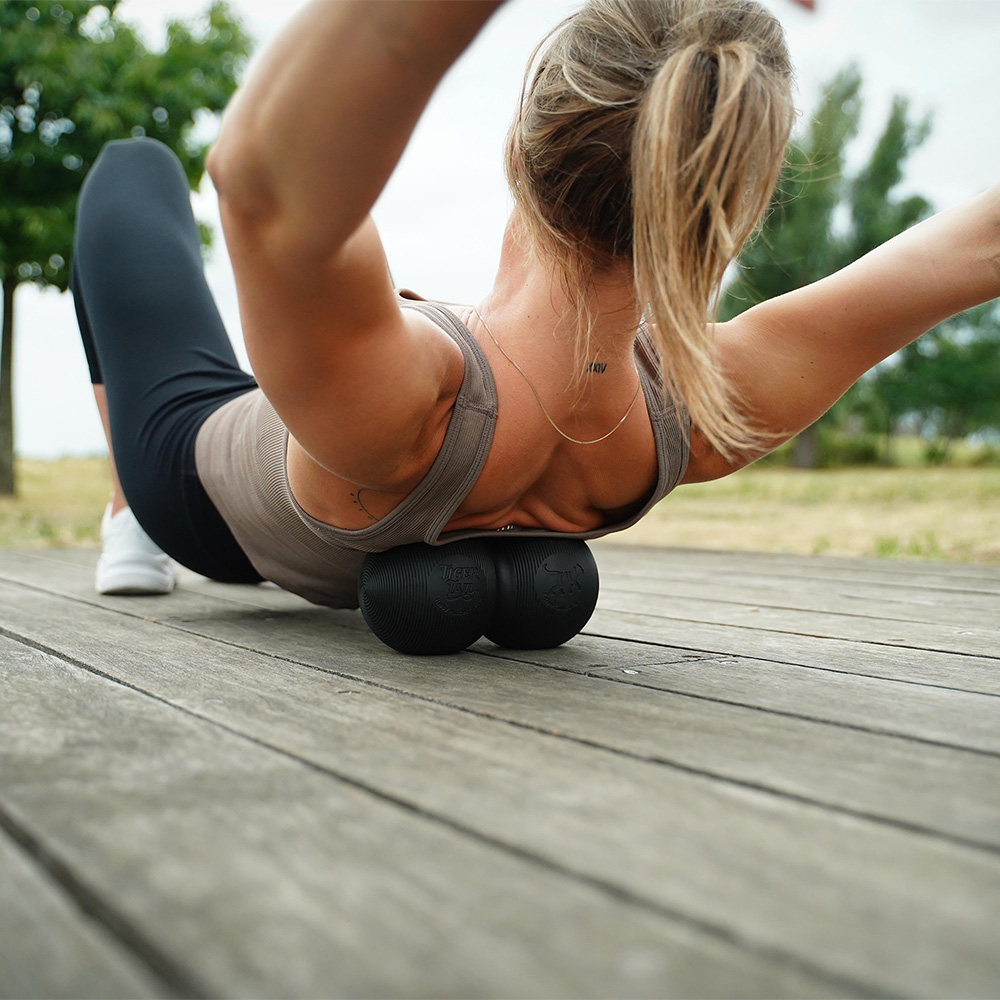
A peanut roller — two spheres fused side by side — straddles the spine so you can roll the paraspinal muscles without pressing directly on vertebrae. It also works exceptionally well on the Achilles tendon, the base of the skull, and along the thoracic spine. The Tiger Ball® Peanut 2.4 Foam Roller ($29.99) is a compact peanut option that delivers targeted deep-tissue pressure on those hard-to-reach spots along either side of the spine.
The Massage Ball
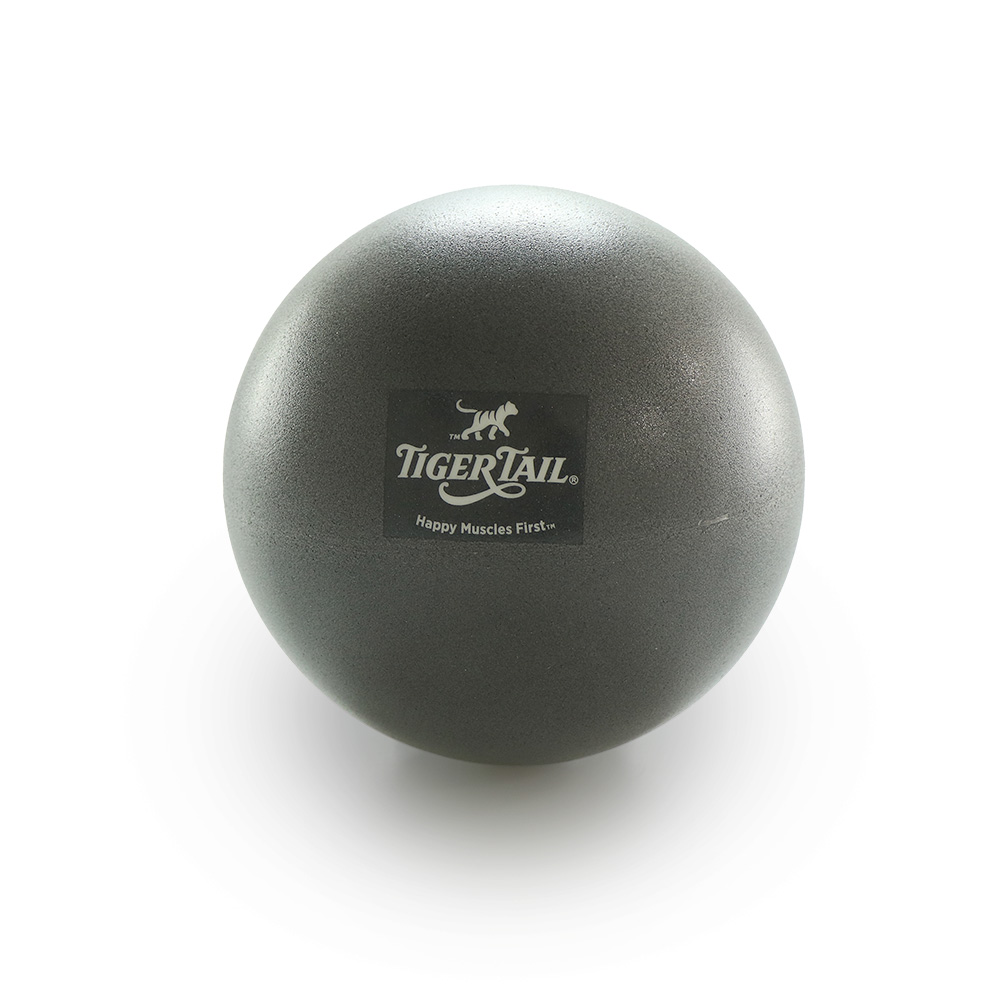
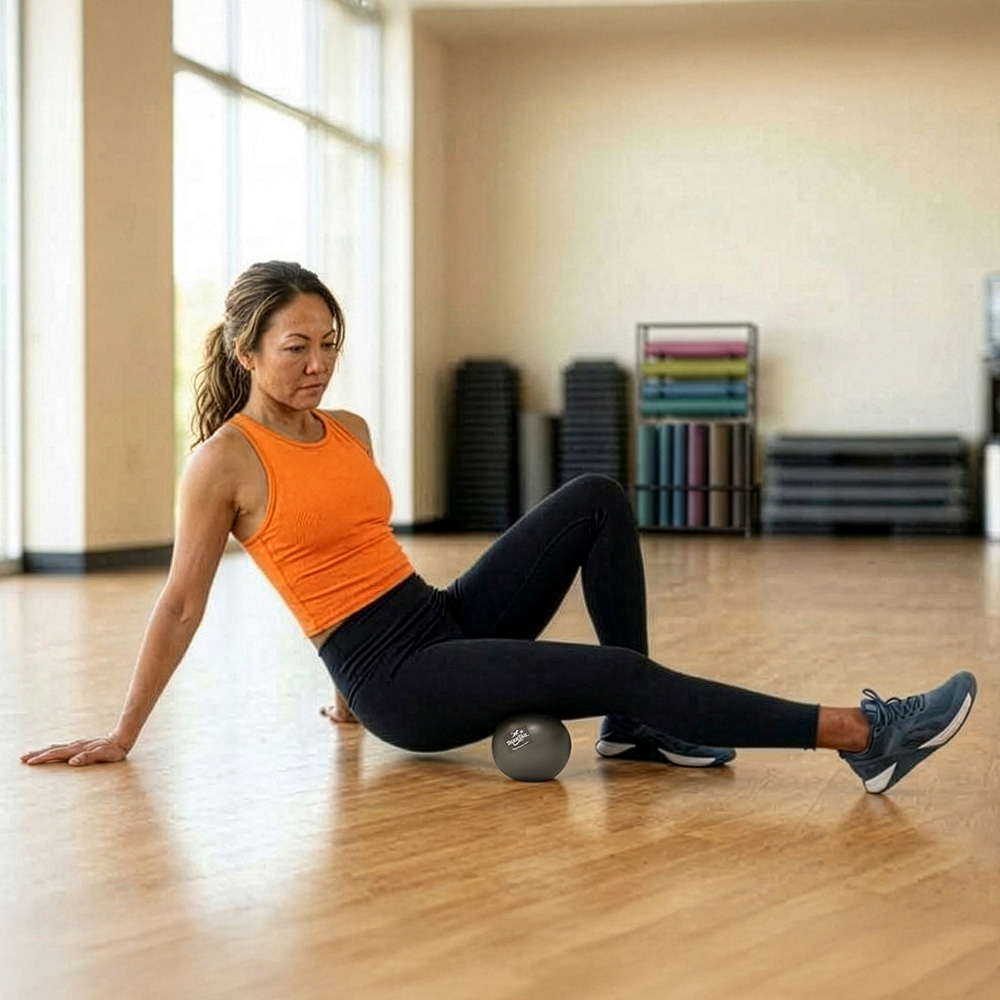
When you need to pin a single trigger point — a knot in the glute, a tight spot under the shoulder blade, or a sore spot in the arch — a ball gives you precision a cylinder never can. The Tiger Ball® 5.0 Squishy Massage Ball ($24.99) has a slightly compliant surface that conforms to the contour of the muscle, making it less aggressive than a rigid lacrosse ball while still delivering meaningful pressure.
Matching the Roller to Your Muscle Recovery Goals
The best muscle recovery tool is the one that fits your actual routine, not the one with the most features. Ask yourself these questions before buying:
- Where do you feel tightness most often? Large muscle groups like quads, hamstrings, upper back, and calves benefit from a full-length cylinder. Smaller or harder-to-reach areas (glutes, neck base, arches) call for a ball or peanut.
- How much rolling experience do you have? Beginners should start with a softer, longer roller for stability and comfort. Experienced athletes can handle firmer, more targeted tools.
- Do you travel or commute? Portability matters. A compact peanut or massage ball fits in a carry-on; a 36-inch cylinder does not.
- Are you recovering from an injury? If so, consult a physical therapist before choosing density. A softer roller is almost always the right starting point during active recovery.
How to Do a Basic Full-Back Roll with the Essential One™ 36
Once you have your roller, technique matters as much as the tool itself. Here is a simple walkthrough for the thoracic spine — one of the most commonly neglected areas for desk workers and athletes alike.
- Place the Essential One™ 36 Relaxed Pressure Foam Roller on the floor horizontally.
- Sit in front of it, then lean back so it rests just below your shoulder blades.
- Support your head with both hands, elbows pointing forward.
- Plant your feet flat on the floor, knees bent at roughly 90 degrees.
- Slowly raise your hips an inch off the ground to load the roller with body weight.
- Roll two to three inches toward your neck, pause for two to three seconds on any tender spot, then return.
- Continue for 60–90 seconds, breathing steadily throughout. Never roll directly on the lumbar spine.
This technique is backed by guidance from the American College of Sports Medicine, which recommends controlled, slow movement over the tissue rather than fast, aggressive passes.
Pairing Your Foam Roller with Complementary Tools
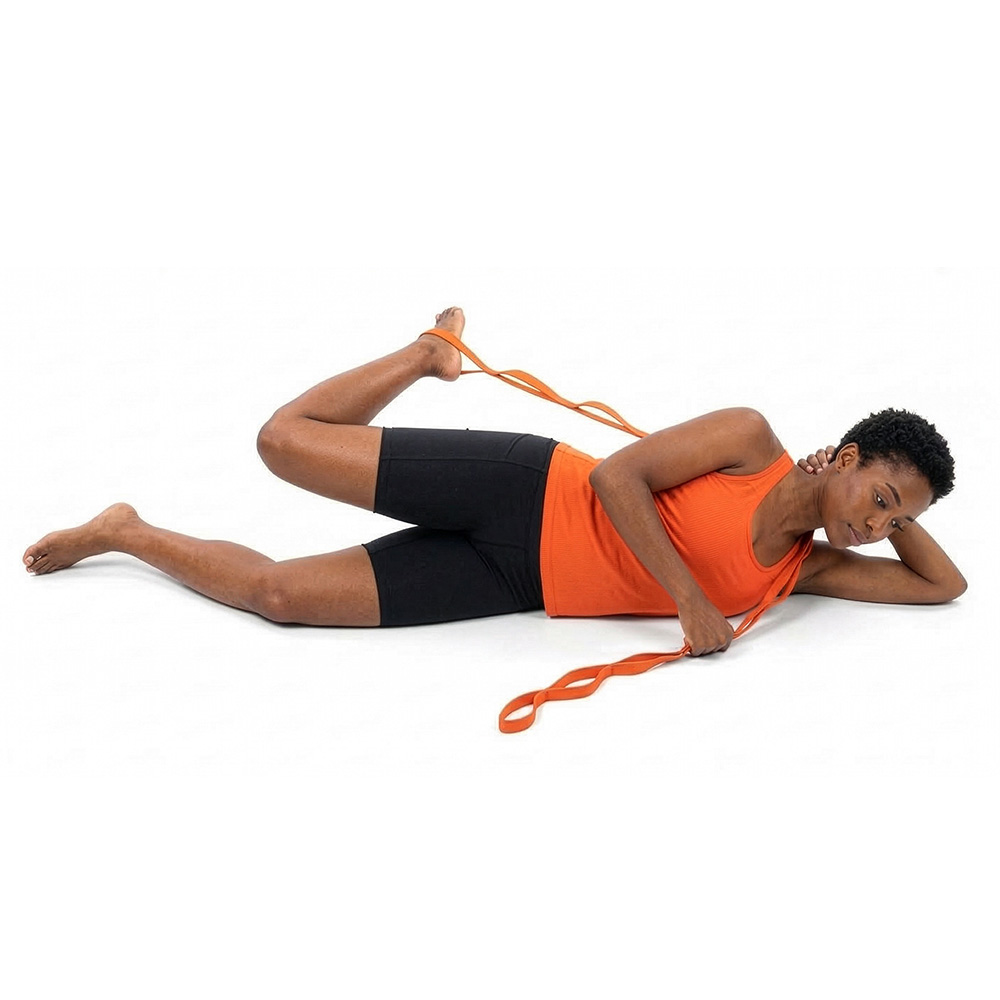
A foam roller handles large surface areas well, but myofascial release across the whole body often calls for more than one tool. After rolling out the quads and back, a targeted massage ball can address the glute or shoulder blade knot your roller missed. Adding a PT Stretch Strap ($19.99) after rolling helps lock in the range of motion you just created — stretching a warmed-up muscle is significantly more effective than cold stretching.
If you want a complete kit without building it piece by piece, the Rehab In A Bag Kit ($149.99) bundles professional-grade recovery tools into one portable package, making it a practical option for athletes who want everything in one place.
Quick Reference: Foam Roller Buying Checklist
- Length — Beginner: 36 inches (stable, versatile) | Intermediate/Advanced: 12–18 inches (targeted, portable)
- Density — Beginner: Soft to medium | Intermediate/Advanced: Medium to firm
- Shape — Beginner: Standard cylinder | Intermediate/Advanced: Peanut or ball for precision
- Best for — Beginner: Full-body rolling, spine, quads | Intermediate/Advanced: Trigger points, spine channels, travel
Choosing a foam roller comes down to being honest about your experience level, the muscle groups you target most, and how you plan to use it day to day. Start simple, build tolerance, and add more targeted tools as your practice evolves.
Frequently Asked Questions
What size foam roller should a beginner start with?
A 36-inch roller is a great starting point for beginners because its length provides stability and lets you roll large muscle groups like the back, quads, and hamstrings without losing balance. It also works for thoracic spine mobility, which is a common need for desk workers.
Is a firm or soft foam roller better for muscle knots?
A medium-density roller is usually most effective for muscle knots—firm enough to create meaningful pressure but soft enough to let you hold a tender spot without tensing up. If you’re new to rolling or recently injured, start soft and progress to firmer options over time.
Can I use a foam roller on my lower back?
Rolling directly on the lumbar spine is not recommended because it can hyperextend the vertebrae. Instead, use the roller on the thoracic (upper and mid) spine and address lower back tightness by rolling the glutes, hip flexors, and hamstrings, which are often the true source of the tension.
How is a peanut roller different from a regular foam roller?
A peanut roller has two lobes that straddle the spine, allowing you to apply pressure to the muscles on either side of the vertebrae without pressing directly on the bone. This makes it ideal for thoracic spine work, the neck base, and the Achilles tendon.
How long should I spend foam rolling each session?
Most guidelines suggest 60–90 seconds per muscle group, spending extra time (2–3 seconds) paused on any tender spots. A full-body session covering major muscle groups typically takes 10–15 minutes and is most effective after a workout or as a standalone recovery practice.
Medical disclaimer: This article is for general informational and educational purposes only and is not a substitute for professional medical, veterinary, or fitness advice, diagnosis, or treatment. Always consult a qualified professional before starting a new exercise, recovery, or treatment program, or if you have any concerns about a health condition.
Safety disclaimer: Always read and follow the manufacturer’s instructions, warnings, and usage guidelines for any product or equipment mentioned here. Use tools and techniques as directed and within your own ability; start gently, stop if you feel pain or discomfort, and seek professional guidance if you are unsure. Improper or excessive use can result in injury.