

Knot in Neck: Why It Won’t Go Away and How to Finally Fix It
Quick answer: A knot in neck muscle is a trigger point — a contracted, oxygen-starved band of fibers that stretching alone cannot fix. Sustained direct compression using a tool like the Tiger Cane™, combined with heat therapy and posture correction, breaks the contraction cycle and restores normal tissue function within days.
A knot in neck tissue is one of the most common complaints among desk workers, athletes, and anyone who spends hours looking at a screen — yet it’s also one of the most misunderstood. Unlike the posts on this site that focus on knots at the base of the skull or specific relief tips, this article digs into why neck knots refuse to release on their own and gives you a clear, step-by-step plan to finally get rid of them.
What Is a Knot in Neck Muscle, Really?
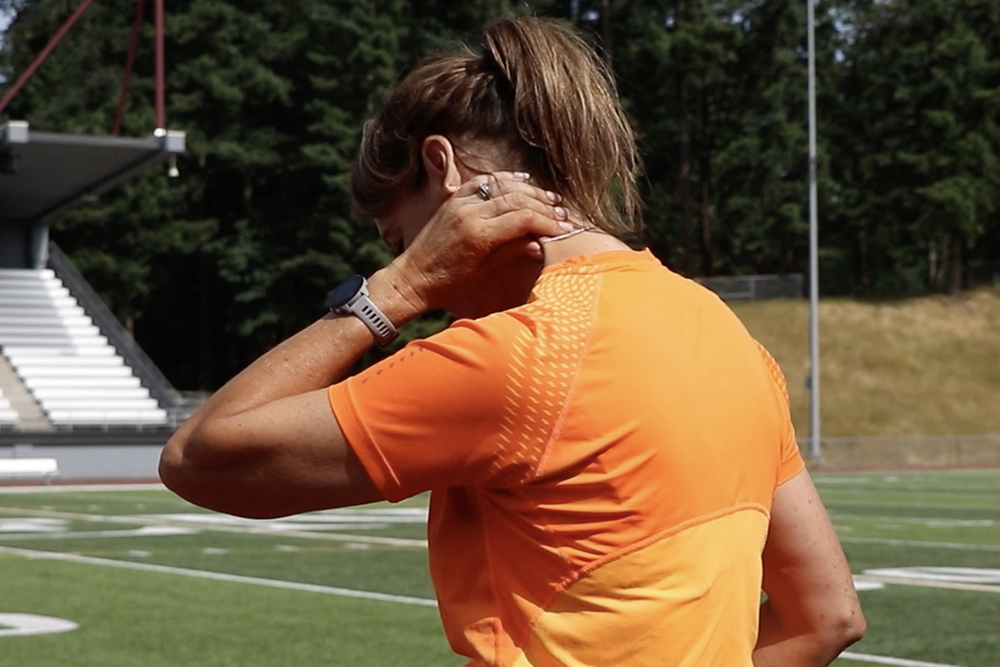
The tight, tender lump you feel is a trigger point — a hyper-irritable spot within a taut band of skeletal muscle fiber. When muscle fibers contract but fail to fully relax, they trap metabolic waste and restrict local blood flow. The result is a self-sustaining cycle of tension, reduced oxygen, and more tension. Common sites in the neck include the upper trapezius, levator scapulae, and sternocleidomastoid muscles.
A trigger point can also send pain to other areas — a phenomenon called referred pain. That dull ache behind your eye or the throb in your shoulder blade may actually originate from a single knot in your neck.
Why Neck Knots Linger: The Trigger Point Trap
Most people try to stretch a sore neck and wonder why nothing changes. Stretching lengthens the whole muscle but does little to break up the localized, contracted fibers at a trigger point. The knot needs direct compression to interrupt the contraction-waste cycle and restore circulation. Without that, the trigger point can persist for weeks.
- Posture load: Forward head posture adds up to 10 lbs of extra load per inch of forward shift, chronically overloading the levator scapulae.
- Sustained static positions: Holding a phone between ear and shoulder, or staring at a monitor for hours, keeps fibers locked in partial contraction.
- Stress and shallow breathing: Psychological stress raises upper-trapezius muscle activity even at rest, according to research published in the Journal of Neurophysiology.
- Dehydration: Fascia — the connective tissue wrapping each muscle — becomes less pliable when you’re under-hydrated, making trigger points harder to release.
Myofascial Release: The Right Approach for Neck Knots
Myofascial release is a hands-on (or tool-assisted) technique that applies sustained pressure to the fascia and underlying muscle to soften restrictions and restore normal tissue movement. Unlike foam rolling large muscle groups, neck myofascial release requires precision — you need a tool that can pinpoint a small, deep trigger point without straining your wrists or arms.
Research from the National Institutes of Health supports the use of ischemic compression (sustained pressure on a trigger point until it releases) as an effective, low-risk intervention for myofascial neck pain. The key variables are pressure depth, duration (30–90 seconds per point), and consistency.
The Best Self-Massage Tool for Neck Trigger Points
-
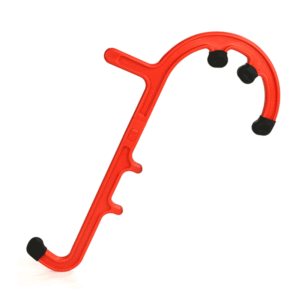
Tiger Cane™ Acupressure Massage Hook
$39.99 Select options This product has multiple variants. The options may be chosen on the product page
Reaching the back of your own neck with adequate pressure is awkward with a foam roller. A purpose-built self-massage tool with a hook or curved shape changes everything. The Tiger Cane™ Acupressure Massage Hook ($39.99) is designed precisely for this. Its ergonomic curve lets you hook it over your shoulder and apply controlled, targeted pressure to the upper trapezius and levator scapulae without awkward arm angles or fatigue.

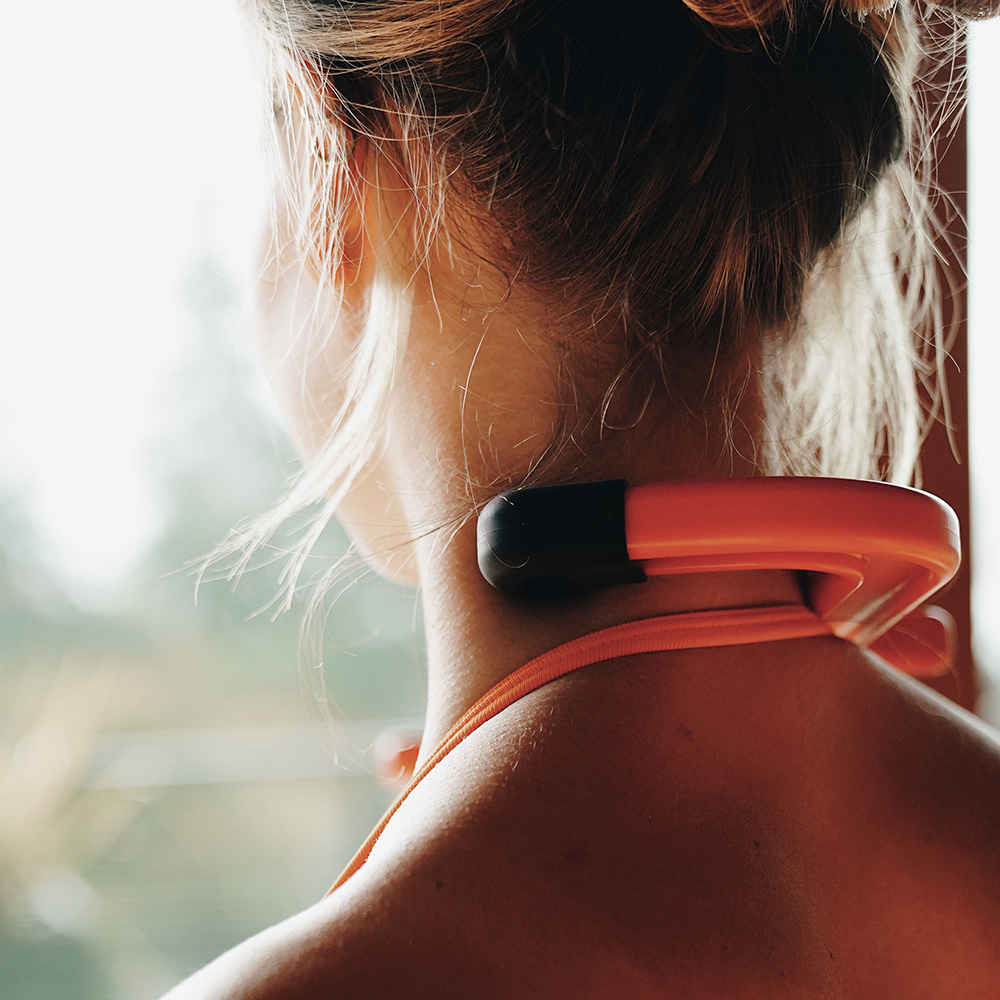
How to Release a Knot in Your Neck with the Tiger Cane™
- Locate the trigger point: Sit upright and use your fingertips to find the most tender spot along your upper trapezius or the side of your neck.
- Position the hook: Place the hooked end of the Tiger Cane™ on that spot, holding the handle in front of your chest.
- Apply steady pressure: Pull forward gently until you feel a firm but tolerable pressure — a “good hurt” sensation, not sharp pain. Hold for 30–90 seconds.
- Breathe slowly: Deep diaphragmatic breaths help the muscle relax under compression. You should feel the intensity slowly decrease as the trigger point releases.
- Move to the next point: Shift the hook 1–2 cm and repeat. Work 3–5 trigger points per session.
- Follow with gentle range-of-motion: Slowly tilt your ear toward your shoulder 3 times per side to reinforce the newly released tissue.
Heat Therapy to Prepare Neck Tissue
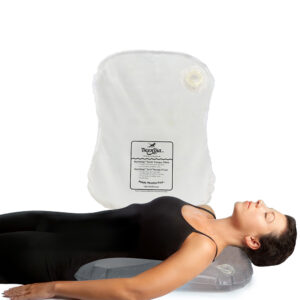
Applying heat before myofascial release increases tissue extensibility and blood flow, making trigger points easier to compress and release. The Hydro Hug® Hot Water Therapy Pillow Small ($19.99) conforms naturally to the neck and shoulders, delivering moist heat that penetrates deeper than a dry heating pad. Use it for 10–15 minutes before your self-massage session for noticeably better results.


Neck Pain Relief Through Better Daily Habits
Tools work best when paired with habits that stop new trigger points from forming. Consistent neck pain relief requires addressing the root causes:
- Set a screen at eye level so your head stays neutral over your spine.
- Take a 2-minute movement break every 45–60 minutes — even a few shoulder rolls matter.
- Drink at least 2 liters of water daily to keep fascia hydrated and pliable.
- Strengthen the deep cervical flexors with chin-tuck exercises to counteract forward head posture.
When a Knot in Neck Needs Professional Attention
Most neck knots respond well to self-care within 1–2 weeks. Seek a licensed physical therapist or physician if you experience numbness or tingling radiating into the arm, sudden severe headache, dizziness, or pain that worsens despite consistent treatment. These symptoms can indicate nerve involvement or other conditions that require professional diagnosis.
Frequently Asked Questions
How long does a knot in neck take to go away?
With consistent daily self-massage using direct compression, most neck knots improve noticeably within 3–7 days. Chronic or deeply embedded trigger points may take 2–3 weeks of regular treatment to fully release.
Is it safe to massage a knot in your own neck?
Yes, gentle to moderate sustained pressure on the upper trapezius and levator scapulae is generally safe for most adults. Avoid pressing directly on the front of the neck or on bony structures, and stop immediately if you feel sharp pain, dizziness, or tingling.
Why does my neck knot keep coming back?
Recurring neck knots usually signal an unresolved postural or behavioral cause — forward head posture, prolonged static positions, or chronic stress. Addressing these root causes alongside regular myofascial release is the only way to break the cycle.
Does heat help a knot in the neck?
Yes. Moist heat applied for 10–15 minutes before self-massage increases blood flow and tissue extensibility, making trigger points easier to compress and release. A hot water therapy pillow that conforms to the neck works especially well.
What is the difference between a knot in the neck and a pinched nerve?
A muscle knot is a localized, tender, taut band within the muscle itself. A pinched nerve involves compression of a nerve root and typically causes radiating numbness, tingling, or weakness into the arm or hand. If you have those symptoms, consult a healthcare professional.
Medical disclaimer: This article is for general informational and educational purposes only and is not a substitute for professional medical, veterinary, or fitness advice, diagnosis, or treatment. Always consult a qualified professional before starting a new exercise, recovery, or treatment program, or if you have any concerns about a health condition.
Safety disclaimer: Always read and follow the manufacturer’s instructions, warnings, and usage guidelines for any product or equipment mentioned here. Use tools and techniques as directed and within your own ability; start gently, stop if you feel pain or discomfort, and seek professional guidance if you are unsure. Improper or excessive use can result in injury.