Muscle knots—sometimes called trigger points—are tight, tender spots that form when muscle fibers stay contracted for too long. Whether they appear as upper arm muscle knots, shoulder muscle knots, or tight bands along the upper back, these painful nodules can make everyday movements feel stiff, achy, or restricted.
Long hours at a desk, repetitive lifting, stress, and intense workouts all increase the load on these muscles. When this tension becomes chronic, it can limit blood flow and prevent full relaxation, leading to the classic rope-like knots many people feel when they press into a sore spot.
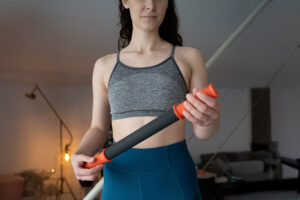
Photo by Kenny Dang
This guide breaks down:
What muscle knots are,
Why they form in the upper arms and shoulders, and
Seven science-supported ways to release muscle knots and speed muscle recovery therapy
What Is a Muscle Knot?
A muscle knot is a small, hyper-tight area within a muscle—often a myofascial trigger point—that feels tender to the touch and may cause referred pain into nearby areas. Research shows these trigger points have altered sensitivity, increased tension, and can temporarily relax when pressure or massage is applied (Moraska et al., 2017).
People typically describe muscle knots as:
tight or rope-like tissue
localized soreness when pressed
stiffness during daily movements
aching that spreads into the neck, shoulder, or upper back
Knots form when muscle fibers stay contracted for too long—whether due to overuse, poor posture, stress, or repetitive motions—which reduces normal blood flow and increases muscle fatigue (Moustafa et al., 2011).
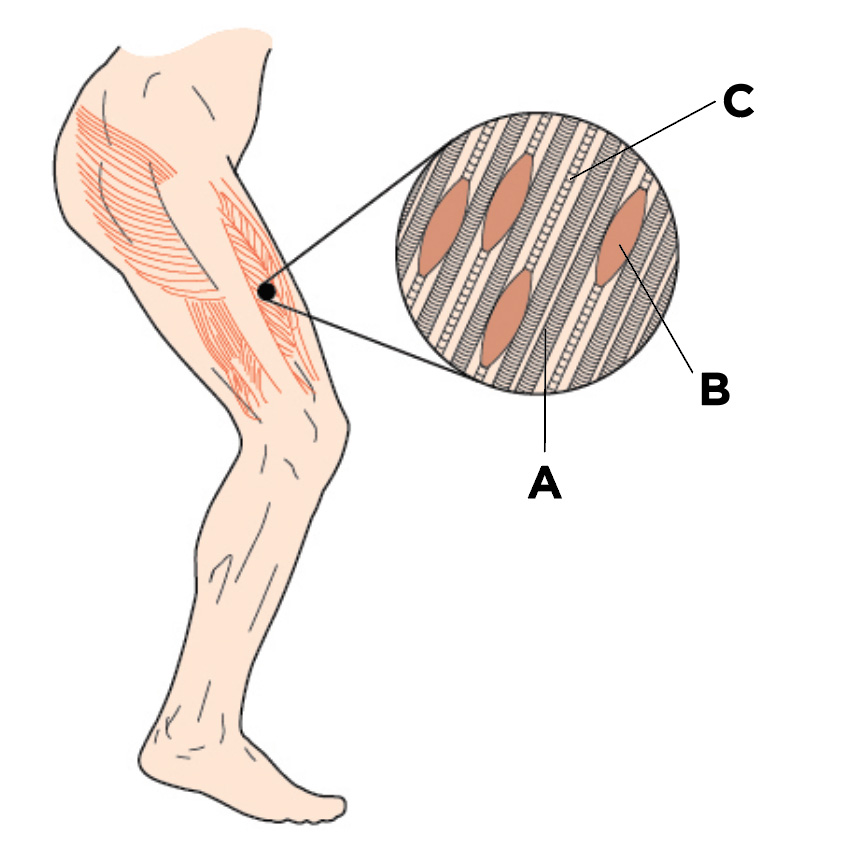
This figure represents several muscle knots within several muscle fibers.
A muscle knot looks like what it feels like — a little knot in the muscle fibers. When a muscle contracts, the contraction is actually happening in a microscopic unit called a sarcomere. To make your muscle contract, even for the smallest movement, thousands of sarcomeres have to contract first. A muscle knot builds when sarcomeres are unable to release a contraction. The resulting knot is what causes referred pain. That’s why the bottom of your foot can hurt if you have a muscle knot in your calf.
Letter A represents a muscle fiber in its relaxed state. It is not working (neither contracting nor stretching).
Letter B illustrates a knot in the muscle fiber where many micro sarcomeres have contracted into a muscle knot. It is this muscle knot that feels pretty darn painful when massaged, that many refer as a “good pain”.
Letter C illustrates the part of the muscle that extends from the knot to where your muscle attaches on the body (like on a bone). When the muscle is stretched like this, the muscle fibers lengthen unnaturally, and ultimately cause pain to seemingly uninvolved areas of the body (referred pain).
Why Do Upper Arm Muscle Knots Form?
Upper arm muscle knots often develop in the biceps or triceps, but they’re closely connected to tension in the shoulder.
Common causes include:
holding the arm in one position while typing, using a phone, or doing other desk work
repetitive lifting or reaching
strength imbalances between the chest, shoulder, and upper‑back muscles
shoulder or neck tension that radiates downward can create muscle knots
Because the upper arm and shoulder share nerve and muscle connections, knots in the upper arm may also trigger shoulder discomfort or restricted movement (Moustafa et al., 2011; Zebis et al., 2017).
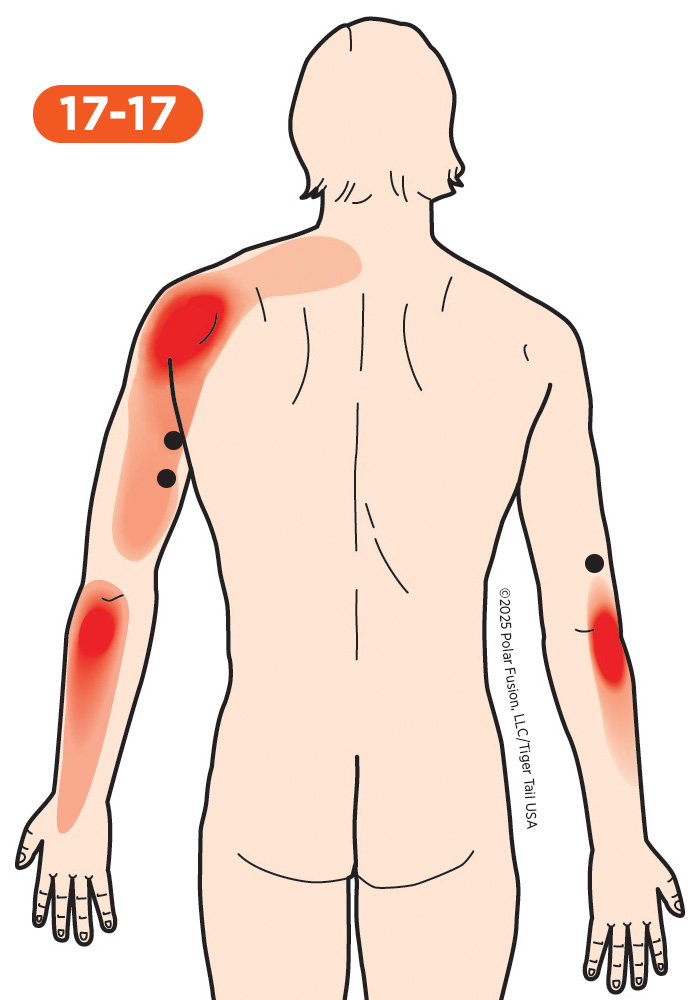
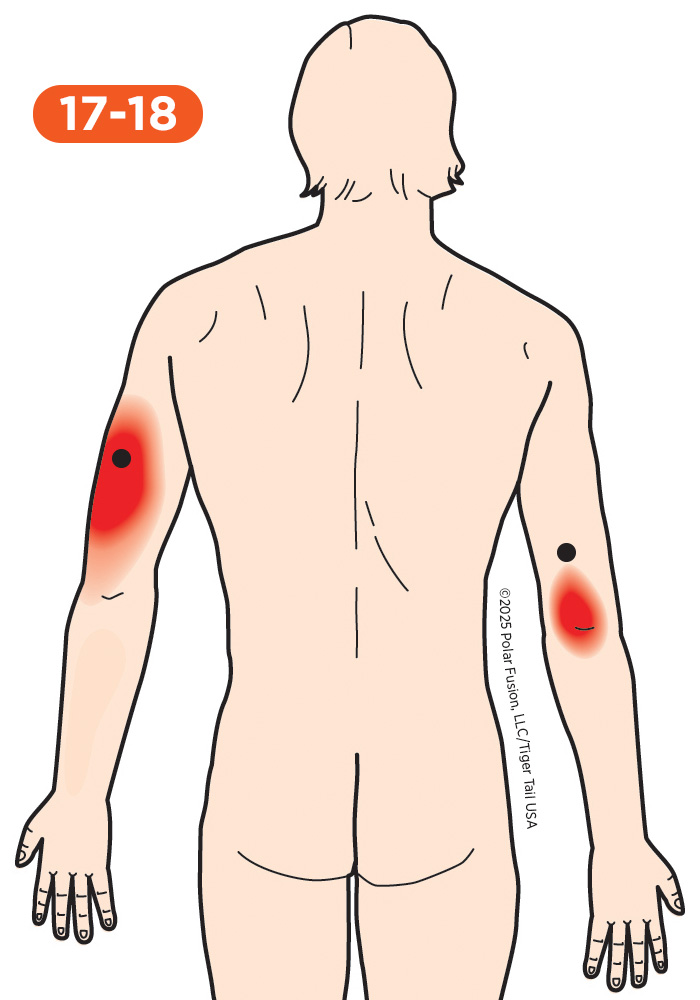
That deep, constant discomfort in the back of your upper arm is often caused by tight muscle knots in the large muscle at the back of the upper arm, the triceps brachii.
The discomfort usually focuses along the muscle belly, running between the shoulder and the elbow, and presents as a deep, persistent ache that makes your arm feel heavy and fatigued.
How Shoulder Muscle Knots Affect the Neck, Upper Back, and Arms
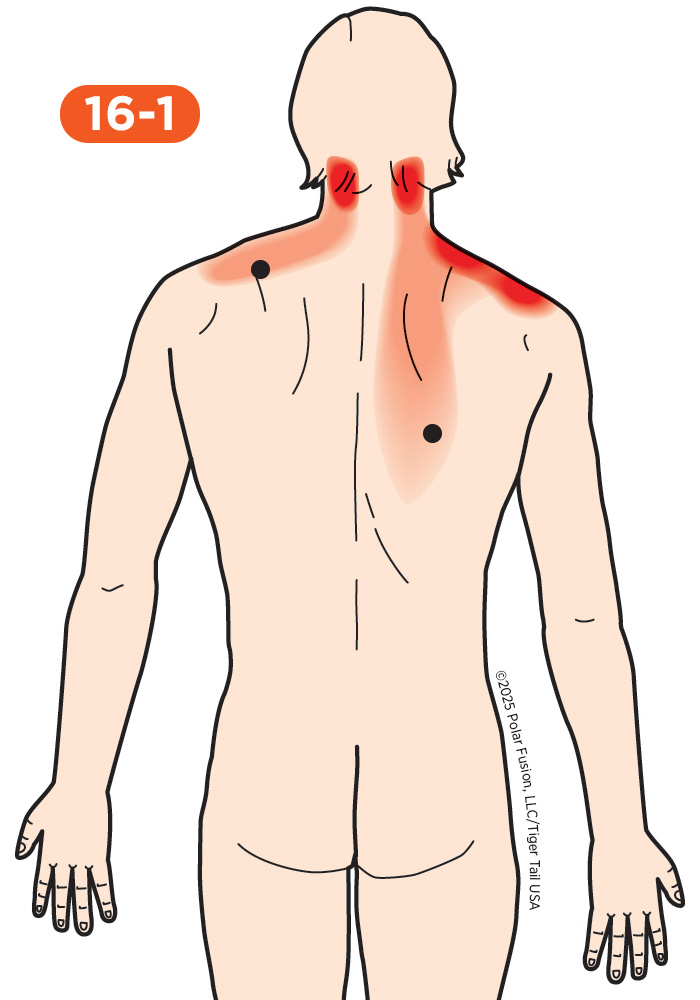
Shoulder knots often appear in the trapezius, deltoid, and rhomboids—muscles that stabilize the shoulder blade and upper spine. When trigger points form in these areas, they can:
Increase neck stiffness
Cause upper back fatigue
Limit overhead movement
Refer pain into the arm or side of the neck
Studies show that trapezius and shoulder trigger points frequently coexist with upper arm knots, which is why shoulder massage often improves symptoms across the entire region (Moustafa et al., 2011; Moraska et al., 2017).
How Massage Devices for the Back Help Release Muscle Knots
Massage tools—especially for back, shoulder, and upper‑arm tension—offer targeted pressure and can reach areas that are difficult to treat manually.
Different tools provide different benefits:
Handheld massage tools
Great for applying direct pressure
Help release specific trigger points
Useful for upper arm and shoulder knots
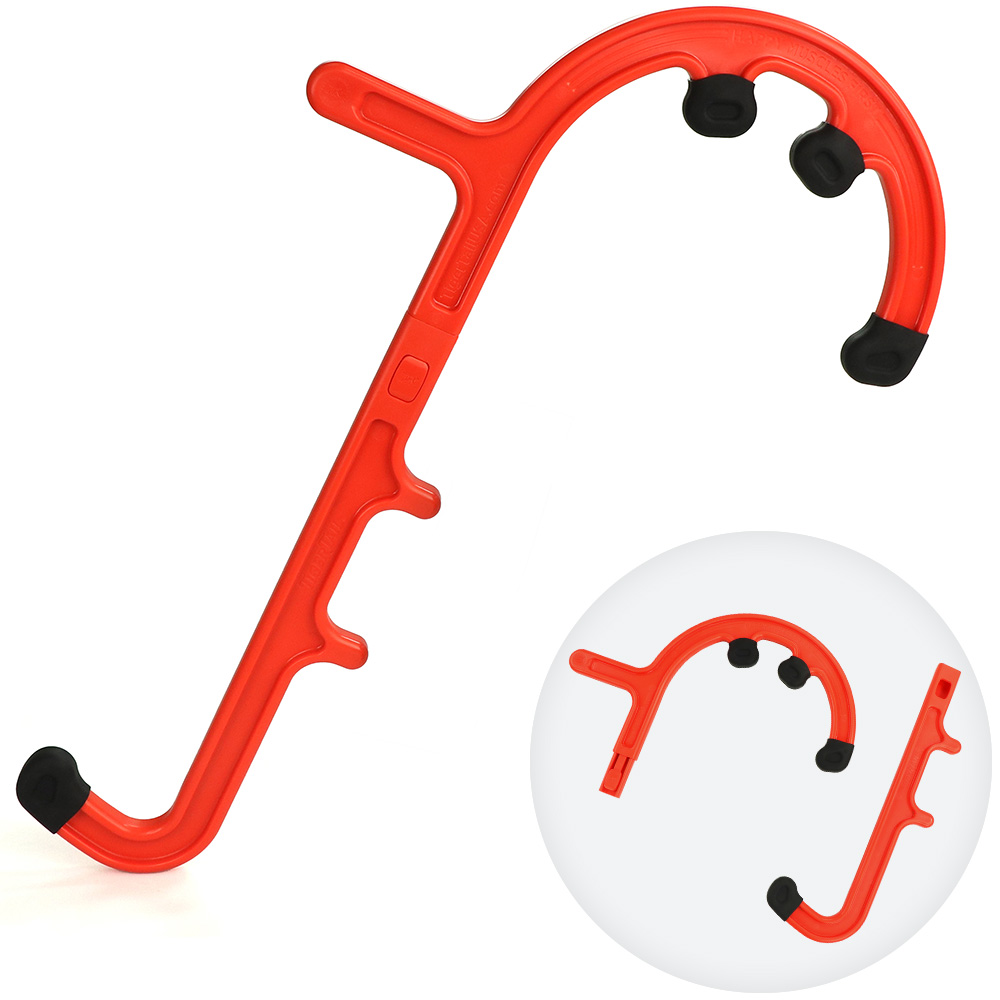
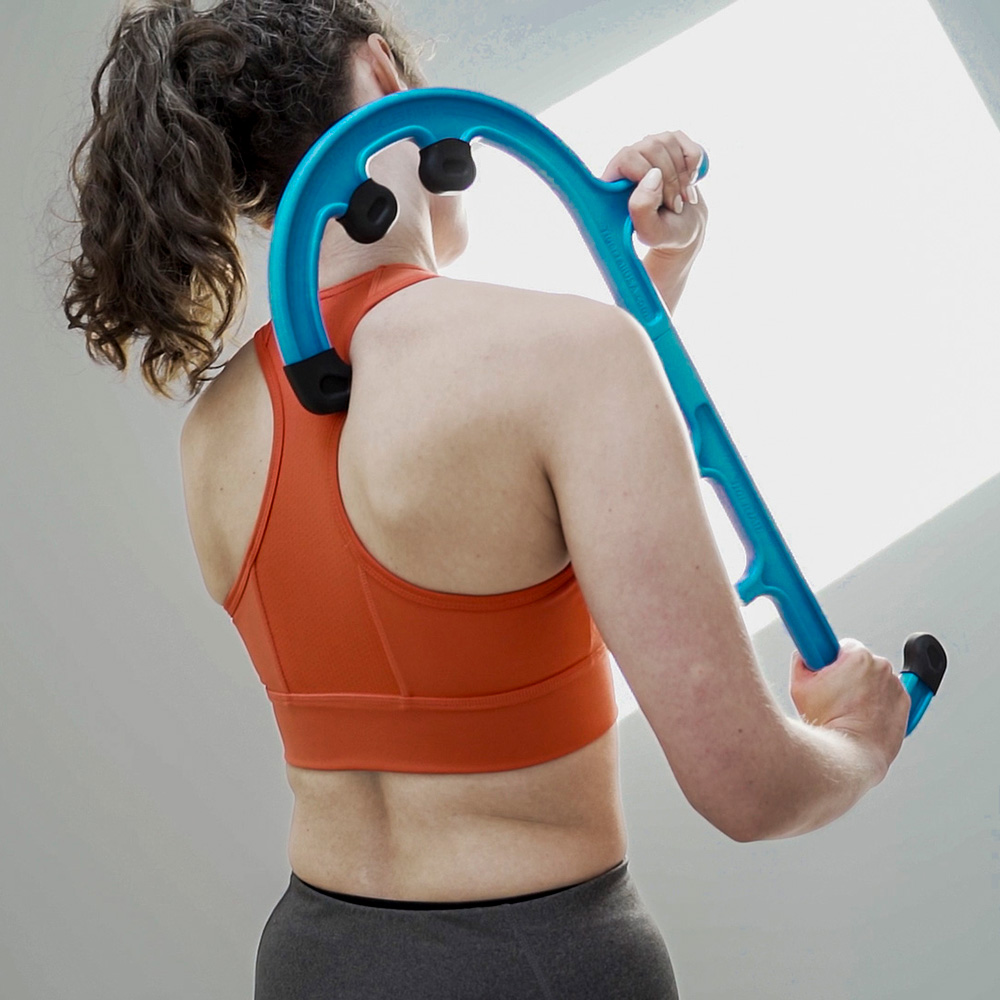
Tiger Cane Acupressure Massage Hook
Foam rollers or stick rollers
Provide broader pressure
Help improve tissue mobility and stiffness
Ideal for the upper back and shoulder regions
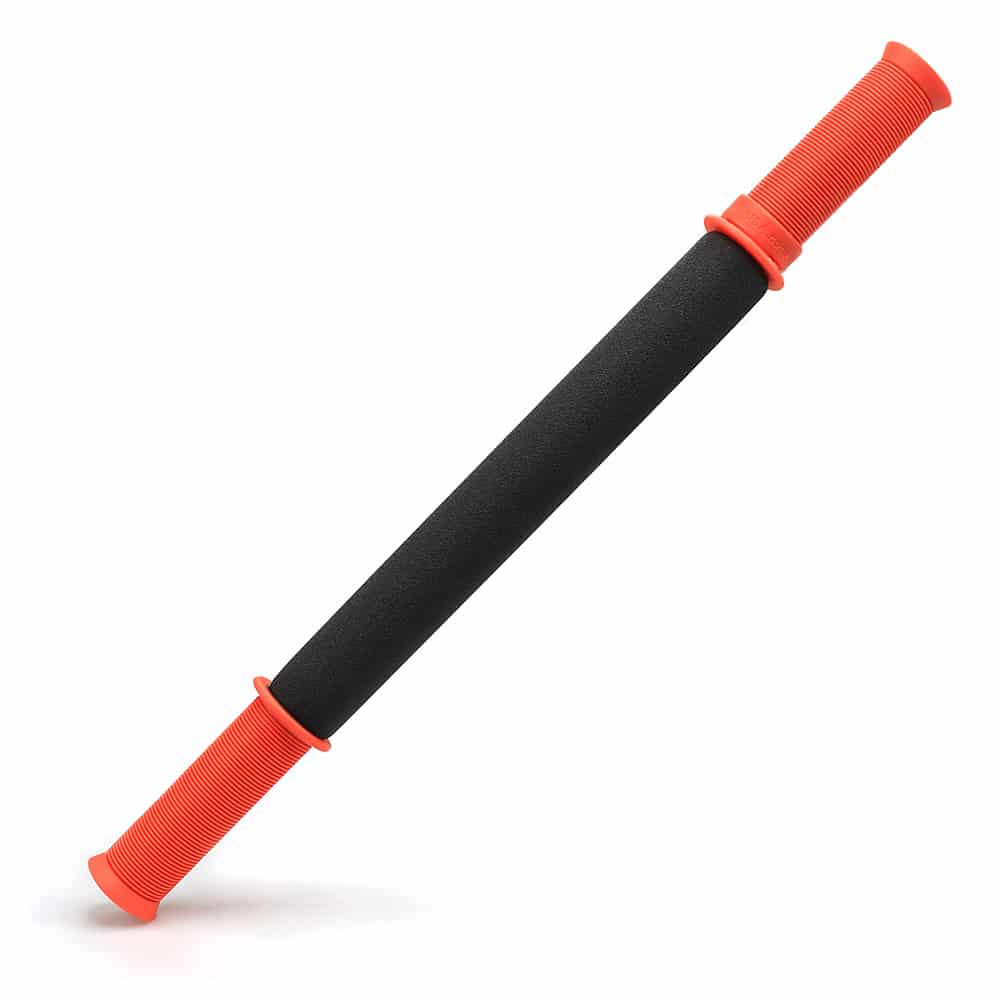
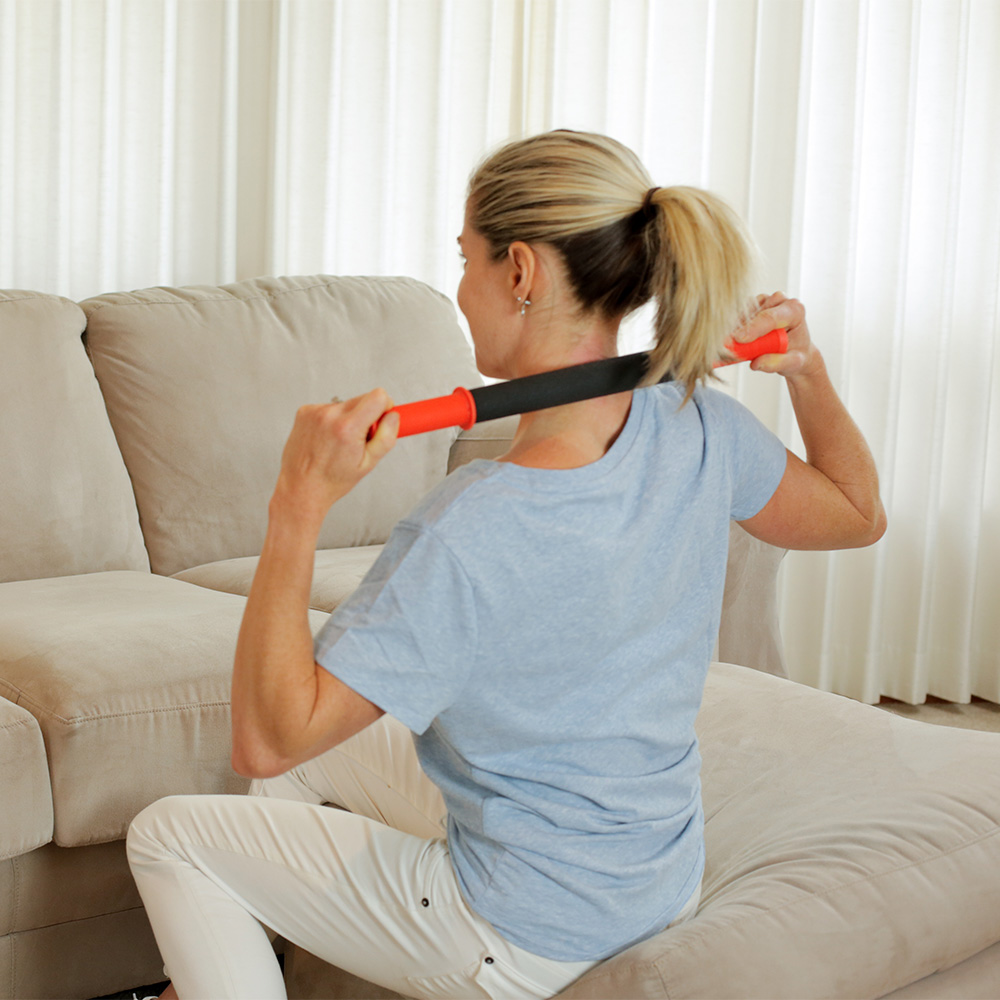
The Original 18 Foam Roller Massage Stick
Percussion devices (massage guns)
Deliver rapid, repetitive pulses
May reduce post-workout soreness
Can improve range of motion when used correctly
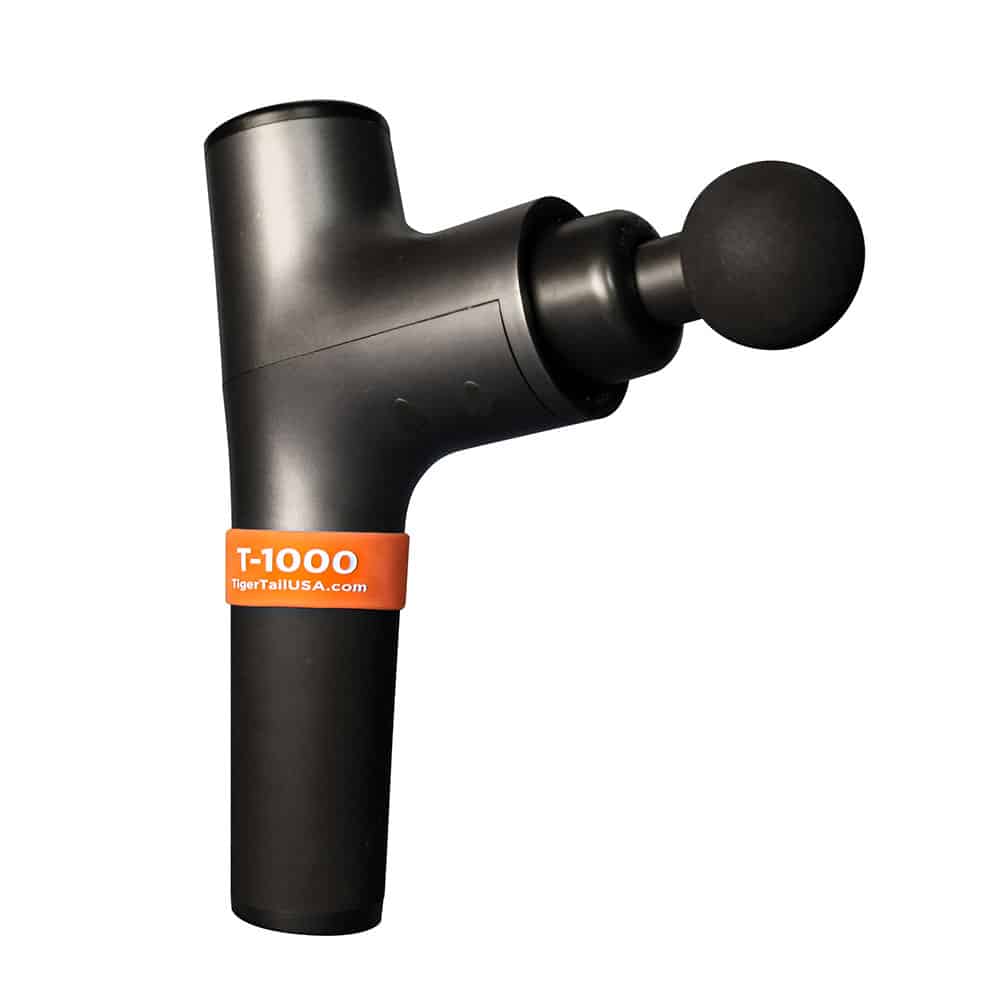
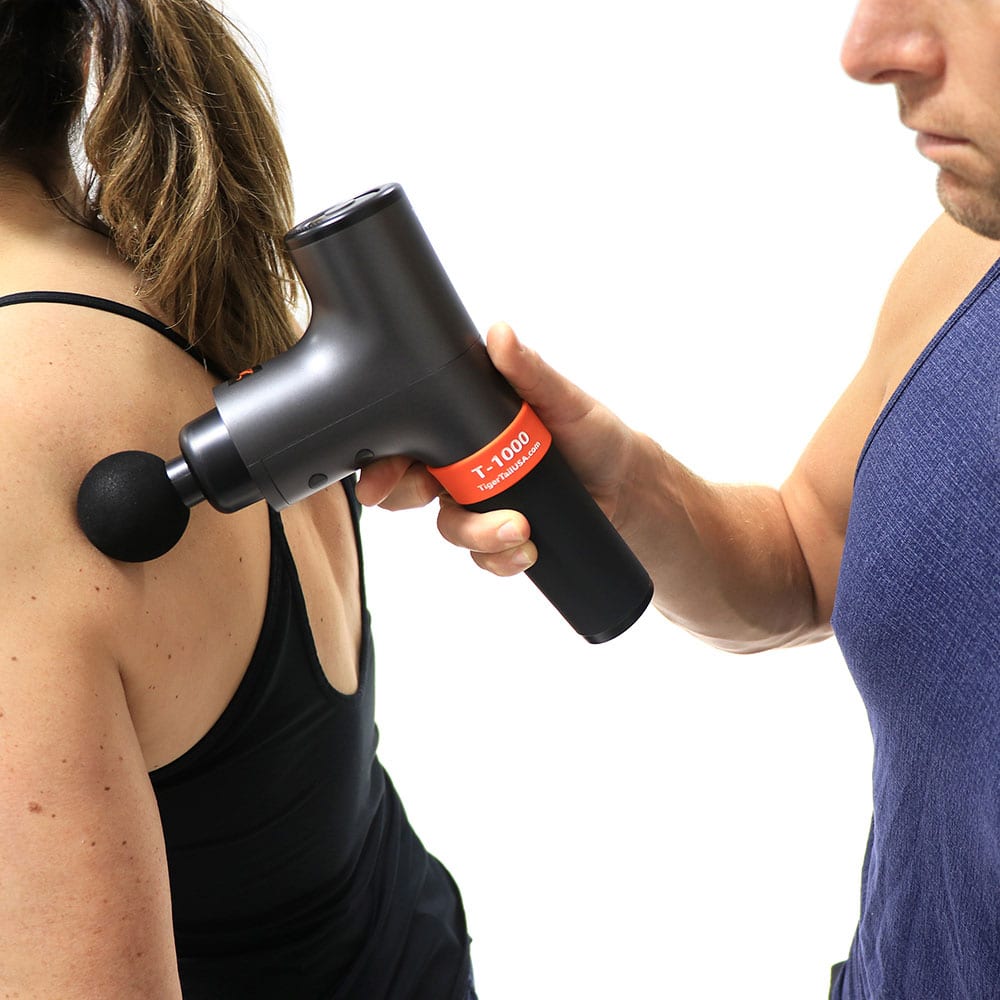
T-1000 Percussion Massage Device
Research suggests percussion therapy and consistent self-massage may improve pain tolerance and flexibility when performed with safe pressure and duration (Villafañe et al., 2025; Zebis et al., 2017).
How Muscle Recovery Therapy Supports Muscle Knot Relief
Effective muscle recovery involves more than pressure—it requires a balanced approach that includes stretching, movement, and load management.
Science-supported components of muscle recovery therapy include:
Self-myofascial release (SMR)
Sustained pressure using hands, balls, or rollers can increase pressure‑pain thresholds and reduce perceived tightness over time.
Stretching
Neck, shoulder, and chest stretches performed several times per week can significantly reduce discomfort and improve function in people with desk-related neck or shoulder pain (Sihawong et al., 2016).
Strengthening weak support muscles
Studies show neck and shoulder strengthening reduces chronic pain and improves quality of life (Zebis et al., 2017).
Heat & Cold
Heat: helps relax tight tissues
Cold: may help after intense activity or irritation
Across research, consistency—not intensity—is the key to lasting changes in stiffness and discomfort.
7 Muscle Knot Solutions Backed by Research
1. Rub It Out — Gentle Self-Massage
Use fingers or a small massage ball to apply slow, steady pressure for 20–30 seconds to tender points. This helps calm muscle sensitivity and reduce knot tension (Moraska et al., 2017).
2. Roll It Out — Foam Rolling or Roller Tools
Roll along the upper back, shoulder blade area, and upper arms. Short, consistent sessions help reduce stiffness and improve mobility.
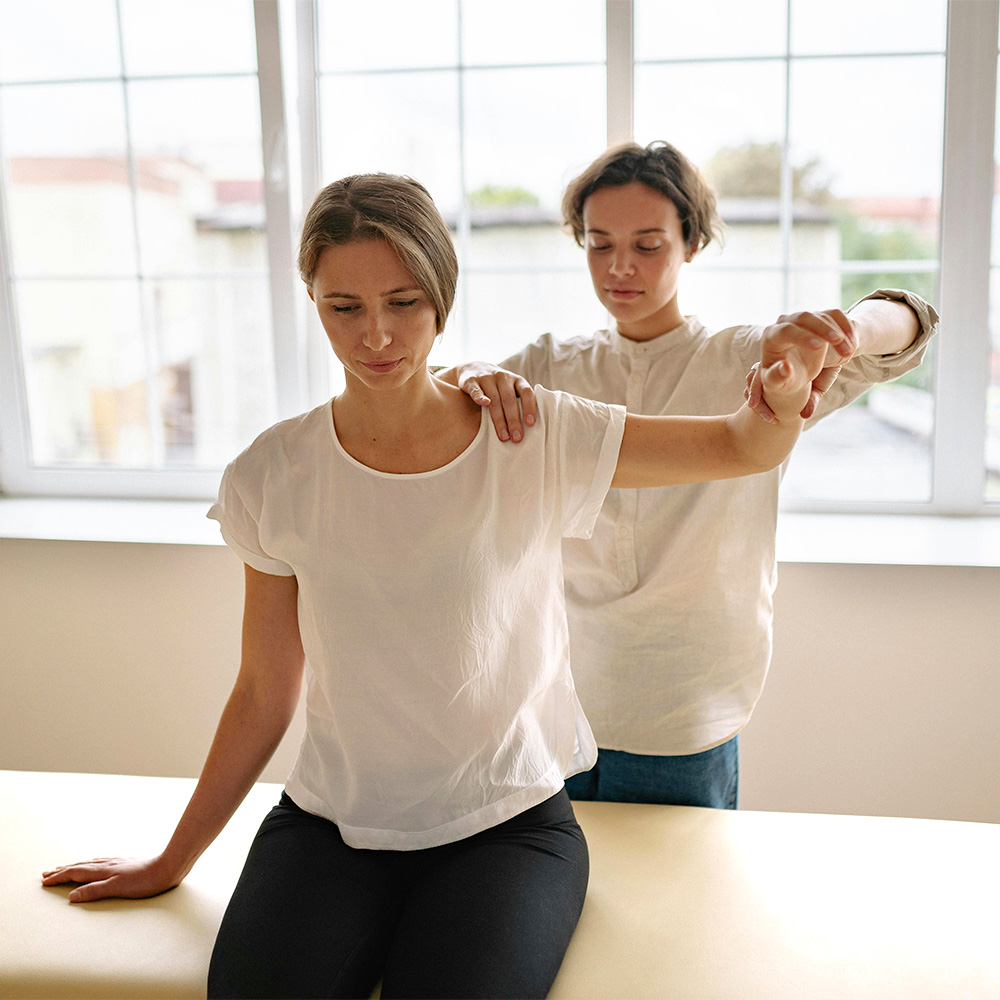
3. Stretch It Out — Neck & Shoulder Stretches
Perform simple stretches for the upper trapezius, chest, and neck several times per week. Research shows these reduce pain in office workers (Sihawong et al., 2016).
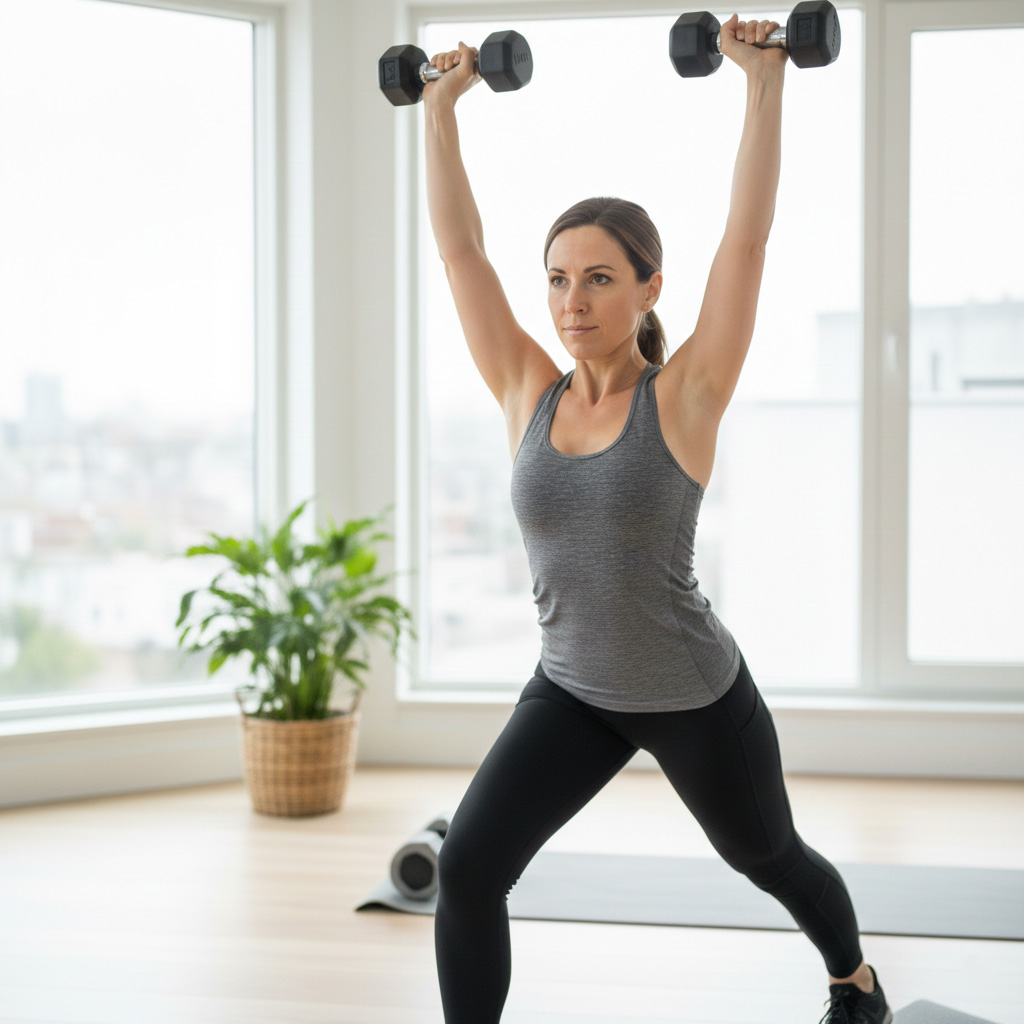
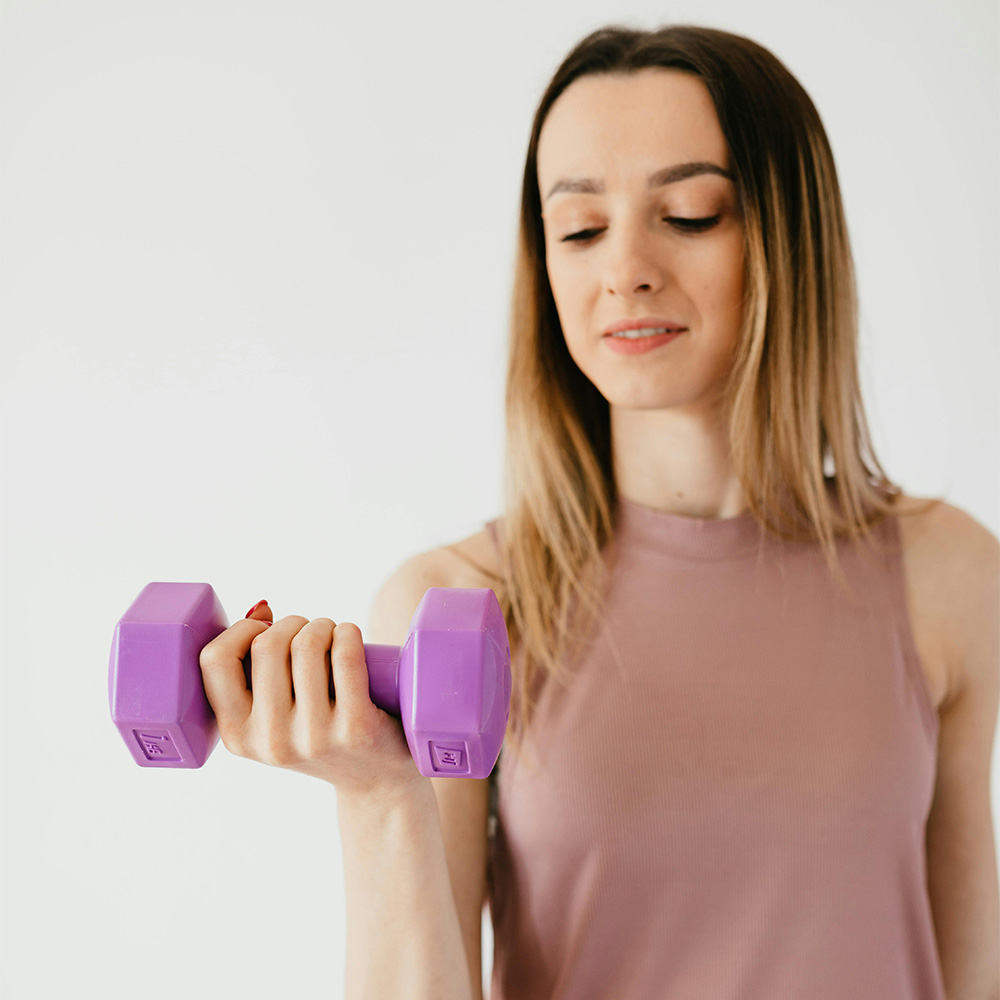
4. Build It Up — Strengthen Support Muscles
Strengthen the rotator cuff, upper‑back muscles, and deep neck flexors to reduce overload on the biceps, triceps, and shoulders (Zebis et al., 2017).
5. Shake It Up — Use Percussion Massage Devices
Massage guns can reduce delayed‑onset muscle soreness (DOMS) and improve flexibility when used with gentle settings (Villafañe et al., 2025).
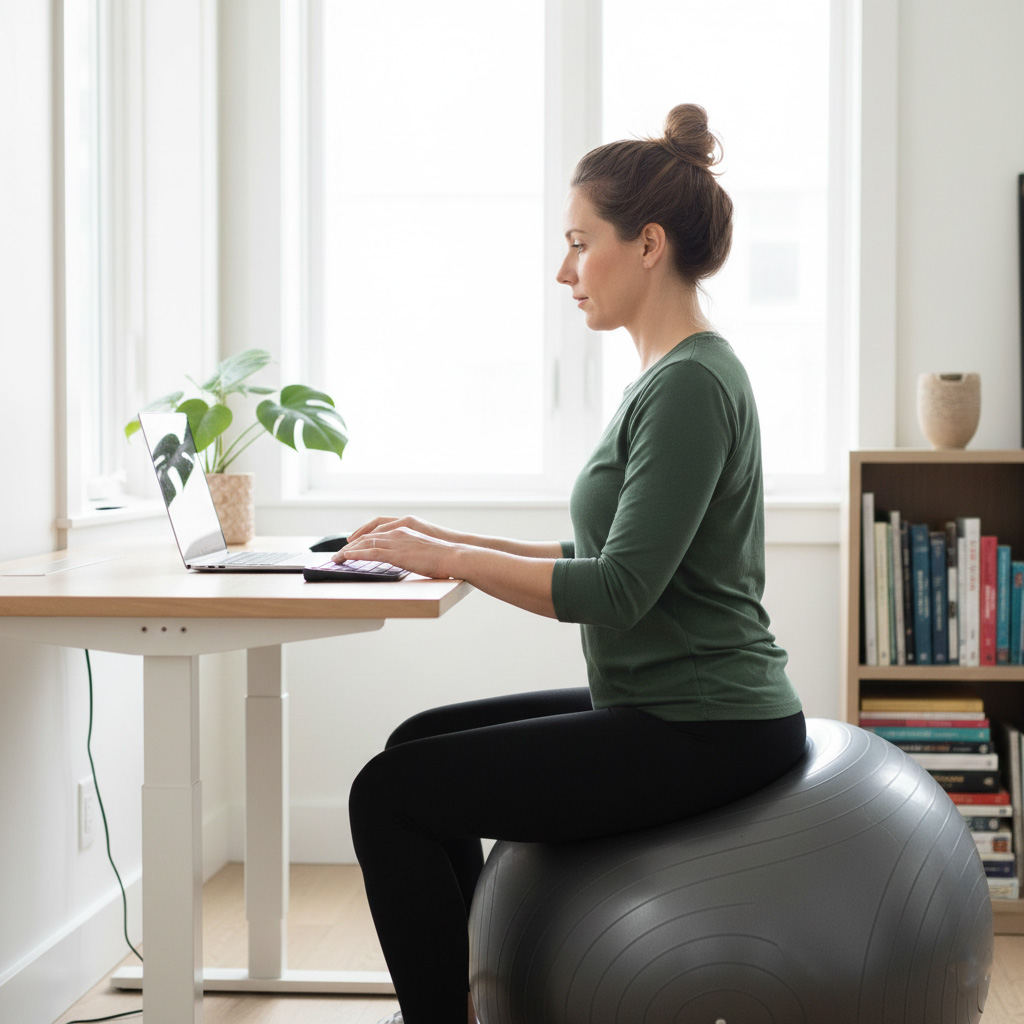
6. Pause & Shift — Improve Ergonomics
Take movement breaks, adjust screen height, and vary arm positions throughout the day to reduce muscle overload (Oesch et al., 2019).
7. Get Help — See a Clinician When Needed
Seek medical care when pain is persistent, severe, or accompanied by nerve symptoms (numbness, weakness, tingling).
Conclusion
Upper arm muscle knots and shoulder muscle knots are extremely common—and often a sign that certain muscles are being overworked and under-recovered. With the right mix of muscle recovery therapy methods — self-massage, stretching, strengthening, and strategic use of massage tools–most people can significantly reduce discomfort and improve mobility.
For ongoing or worsening pain, always consult a qualified healthcare provider to rule out underlying conditions and receive individualized care.
References
Moraska, A. F., Schmiege, S. J., Mann, J. D., Butryn, N., Krutsch, J. P., & Acree, L. S. (2017). Responsiveness of myofascial trigger points to single and multiple massage treatments. BMC Musculoskeletal Disorders, 18, 172. https://doi.org/10.1186/s12891-017-1531-2[pubmed.ncbi.nlm.nih]
Moustafa, I. M., Diab, A. A., & Hegazy, F. (2011). Treatment of myofascial trigger points in patients with chronic shoulder pain: A randomized controlled trial. Clinical Rheumatology, 30(7), 961–968. https://doi.org/10.1007/s10067-011-1698-6[pubmed.ncbi.nlm.nih]
Sihawong, R., Janwantanakul, P., Sitthipornvorakul, E., & Pensri, P. (2016). The effectiveness of a neck and shoulder stretching exercise program among office workers with neck pain: A randomized controlled trial. Clinical Rehabilitation, 30(1), 64–72. https://doi.org/10.1177/0269215515575747[pubmed.ncbi.nlm.nih]
Zebis, M. K., Andersen, L. L., Sundstrup, E., & Andersen, C. H. (2017). Effectiveness of exercise in office workers with neck pain: A systematic review and meta-analysis. South African Journal of Physiotherapy, 73(1), a392. https://doi.org/10.4102/sajp.v73i1.392[sajp.co]
Oesch, P. R., Kool, J. P., & Hagen, K. B. (2019). Workplace-based interventions for neck pain in office workers. Physical Therapy, 98(1), 40–62. (Used for ergonomic/posture concepts; details summarized for readability.)[academic.oup]
Villafañe, J. H., et al. (2025). Effect of percussive massage treatment and static stretching on muscle recovery. Journal of Bodywork & Movement Therapies. (Early citation; findings summarized generically.)[sciencedirect]
Spring Faussett is an American entrepreneur and inventor who founded Tiger Tail USA in 2006 with just $250, building the first 20,000 iconic orange and black massage sticks in her garage. A former Division I soccer player at Washington State University, her personal recovery journey inspired a passion for solving pain problems, resulting in over 15 patents in muscle recovery innovation. Faussett is an award-winning author of Happy Muscles®—Fast: a Self-Help Guide to Un-Knot Your Pain and holds a B.A. in Business and Communications from Washington State University, plus business certificates from Harvard and the University of Washington.