
Electric Blanket vs. HydroHug Water Pillow: Which Heat Therapy Is Right for You?
Quick answer: Choose an electric blanket for whole-bed warmth on cold nights, and the HydroHug Hot Water Therapy Pillow for a sore neck, shoulder, or cramp. Many people do best with both: pre-warm the bed with the blanket, switch it off, then use the HydroHug for short muscle-relief sessions. Check with a doctor first if you have diabetes, nerve damage, poor circulation or are pregnant.
Why Heat Helps Sore, Tight Muscles
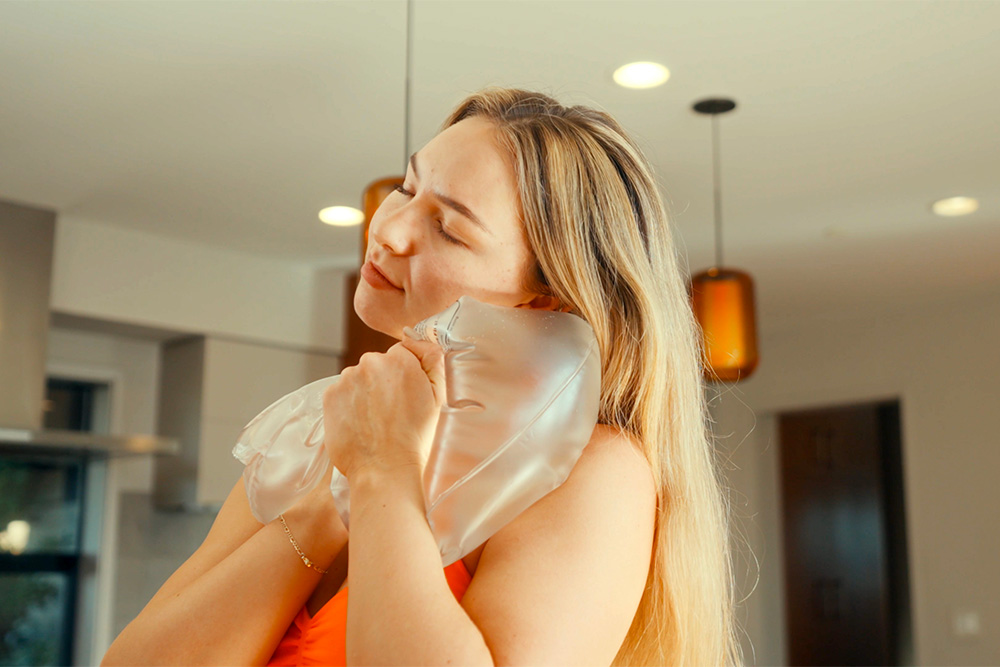
When the weather turns cold, stiff muscles feel worse, and heat is one of the simplest ways to ease them. A 2021 narrative review of superficial heat therapy for non-specific low back pain found that continuous, low-level heat can relieve pain and improve muscle strength and flexibility (Life, 2021).
The type of heat matters too. In a 100-person study of exercise-induced muscle soreness, moist heat delivered similar or greater benefits than dry heat in about a quarter of the application time (two hours versus eight) (Journal of Clinical Medicine Research, 2013).
That difference is the heart of this comparison. An electric blanket delivers dry heat across a large area. The HydroHug delivers moist heat to a specific area. Neither study tested these exact products, so treat the research as background, not a product claim.
Electric Blanket vs. HydroHug: Side by Side
| Electric blanket | HydroHug Medium | |
|---|---|---|
| Type of heat | Dry, electric | Moist, water-filled |
| Coverage | Whole bed or lap | One target area (15″ x 18″) |
| Power | Wall outlet and cord | Cordless; warm tap water (100°F–113°F) |
| Heat duration | Continuous while powered on | 30+ minutes per fill, then refill |
| Cold therapy | No | Yes (cold water or ice) |
| Portability | Low | High: lightweight, packs for travel |
| Main risks | Overheating, fire and burns, mostly from old or defective units | Burns from water that is too hot, or a leak from a loose cap |
| Price | Varies by brand and size | $22.99 (Small $19.99, Large $24.99) |
Electric Blanket: Pros and Cons
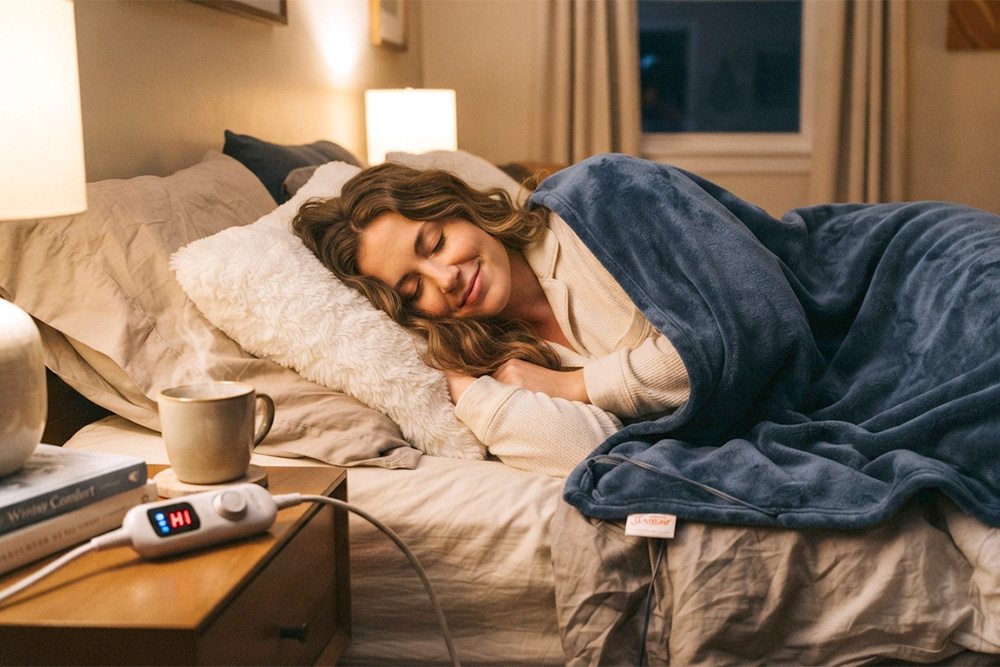
An electric blanket is a good fit when you want to warm your whole body and the bed without lifting a finger.
Pros
- Whole-body warmth. It heats the entire bed or lap, which suits cold sleepers better than a single-area heat pack.
- Hands-free and adjustable. Set the heat level and forget it. Healthline notes that new blankets include safety features such as temperature controls, and carry only minimal fire and burn risk when used correctly (Healthline).
- No refilling. Heat is continuous as long as it is powered on.
Cons
- Age and defects matter. The Electrical Safety Foundation International reports that heating pads and electric blankets cause almost 500 fires a year, almost all in units more than ten years old (ESFI).
- Recalls still happen. In July 2026, the U.S. Consumer Product Safety Commission warned owners to stop using Melinora electric heated blankets, because internal heating wires can overheat and melt through the fabric (CPSC).
- Strict usage rules. Do not fold, tuck in or pile items on top of it, and do not combine it with a heating pad or hot water bottle (Healthline, UL Solutions).
- Dry heat, no cold option. It cannot deliver targeted moist heat or ice for an acute strain.
- Not portable. It needs an outlet and a cord.
HydroHug Water Pillow: Pros and Cons
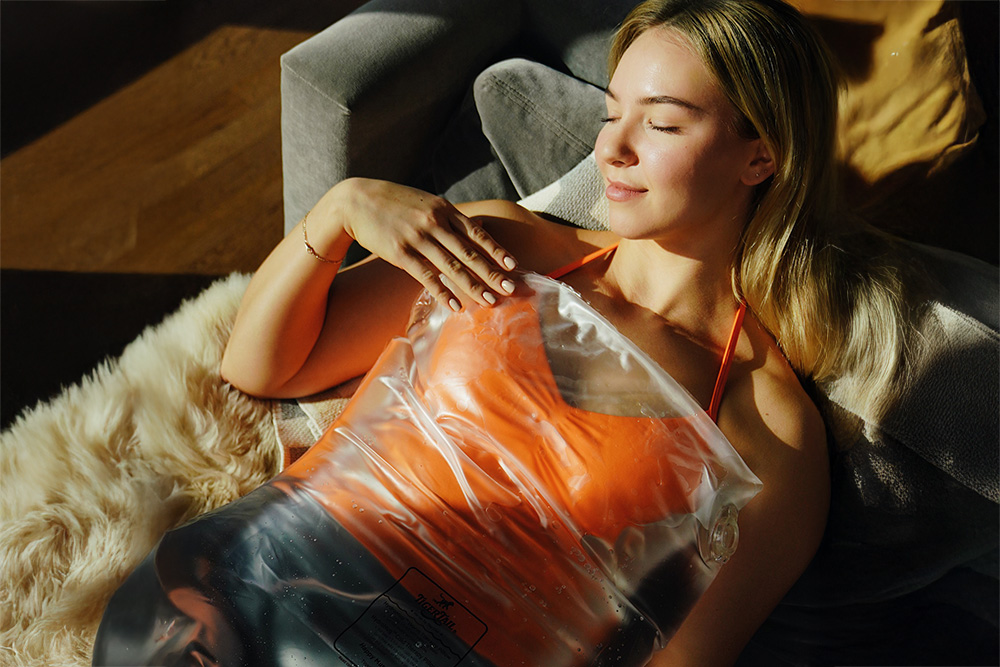
The HydroHug Hot Water Therapy Pillow is a leak-tested polymer pillow that you fill with warm or cold water. The Medium (15″ x 18″) fits the shoulders and lower back.
Pros
- Moist, targeted heat. It molds to your body, so the warmth lands on the sore spot instead of the whole bed.
- Hot or cold in one tool. Fill it with warm tap water for muscle tension, or cold water or ice for a fresh strain or bruise.
- No cord, no outlet. There is no electrical element to fail, so it travels easily and works anywhere you have tap water.
- Sturdy. Tiger Tail rates it to support up to 400 lbs of pressure, so you can lie or lean on it.
- Low cost. The Medium is $22.99, and the pillow is FSA-, HSA-, and HRA-eligible.
Cons
- Covers one area. It will not warm a whole bed.
- Warmth is time-limited. The water stays therapeutically warm for more than 30 minutes, so it suits sessions rather than all-night warmth, and you refill it to reheat.
- Water handling required. You need to fill it, press out the air, and seal the cap securely. Tiger Tail also warns never to carry the pillow by the lid or spout.
- Burn risk comes from the water. Stay within the recommended 100°F–113°F range. Never use boiling water.
- Not a toy or a child’s bed warmer. Ireland’s Health Service Executive advises against putting hot water bottles in children’s beds, because they can leak or be opened (HSE).
How to Use the HydroHug Safely
Follow the instructions on the product page.
- Remove the cap and fill the pillow one-third full with warm tap water (100°F–113°F).
- Lay it flat to press out the excess air.
- Replace the cap securely, then press down firmly to test that it is sealed.
- Place it on the sore area. If the heat feels strong, add a layer of clothing or a thin towel, and check your skin often.
- Carry it by the body of the pillow, never by the lid or spout.
- For cold therapy, fill with cold water or ice. Do not freeze it unless you use an 80/20 water-and-alcohol mix.
Browse more options in our hot water bottles collection.
Safety: What Each Option Asks of You
Neither option is risk-free. They fail in different ways, so the risks you manage are different too.
Electric blankets: manage the equipment. Fire and burn hazards cluster in old, damaged, or defective units. Check the label for a nationally recognized testing mark such as UL, avoid secondhand blankets, and retire any with scorch marks, frayed cords, or damaged wires (Healthline). Check your model against the CPSC recall list before using it.
Water-filled pillows and bottles: manage the water and the seal. Hot water bottle burn injuries in the UK rose 11% from 2023 to 2024, to nearly 1,000 cases, the highest annual total in more than 20 years (RoSPA). Those figures cover traditional bottles, not the HydroHug. Still, they show why temperature and seal checks matter. Australia’s Alfred Hospital burns unit also links severe winter burns to old or faulty hot water bottles that burst (Alfred Health).
The HydroHug’s instructions cap fill water at 113°F, far below boiling at 212°F. That limit is a meaningful safeguard, but it only works if you follow it and confirm the cap is secure.
Reduced heat sensation raises the stakes for both. Mayo Clinic advises people with diabetes-related nerve damage that they may not feel when an electric blanket or heating pad is too hot, and suggests warming the bed, then switching the blanket off before getting in (Mayo Clinic). If you have neuropathy, poor circulation, or are pregnant, ask your doctor before using any heat source.
Who Each Option Is Best For
An electric blanket is a good fit if you…
- Sleep cold and want the whole bed warm before you get in
- Have normal heat sensation and no circulation or nerve problems
- Will buy a current, tested model and replace it as it ages
- Want general comfort more than relief for one sore spot
The HydroHug is a good fit if you…
- Carry tension in your neck, shoulders or lower back from desk work, driving or lifting
- Want relief for menstrual cramps, sore legs or a sprain or strain, and may need cold as well as heat
- Prefer a cordless option for travel, the gym bag or the office
- Are a massage therapy, physical therapy or chiropractic client, or an athlete who wants portable first aid after a workout
Check with your doctor first if you…
- Have diabetes, neuropathy, or poor circulation
- Are pregnant, recovering from surgery, or managing a medical condition such as fibromyalgia
- Are choosing heat for a child
Our Recommendations
If you could pick only one for muscle pain, choose the HydroHug. It delivers moist heat exactly where the muscle is tight and also works as a cold pack. If you could pick only one for a cold bedroom, choose a modern, tested electric blanket. For most people, the real answer is both, used for different jobs.
- Desk-bound neck, shoulder, or back tension: the Medium HydroHug. Pair it with gentle stretching or rolling. See our guide to stretching versus foam rolling and our tips for lower back knots.
- Whole-bed winter warmth: an electric blanket that has an auto shut-off, a UL or equivalent testing mark, and an age under 10 years. Pre-warm the bed, then switch it off before you sleep.
- Small areas such as the neck, jaw, wrists, or calves: the Small HydroHug ($19.99).
- Full back, hips, or abdomen: the Large HydroHug ($24.99).
- Fresh strain or bruise: use the HydroHug with cold water or ice, or try the Tiger Ball ICE for cold massage.
Frequently Asked Questions
Is the HydroHug better than an electric blanket for back pain?
For localized muscle pain, most people will find a HydroHug more useful because it concentrates moist heat where it hurts. An electric blanket is better for general warmth. We did not find a head-to-head study of these two products, but research supports continuous, low-level heat for mild-to-moderate low back pain (Life, 2021).
Is it safe to sleep with an electric blanket on?
The Electrical Safety Foundation International advises that heating appliances should not be left unattended or used while sleeping (ESFI). Healthline adds that if your blanket has no timer, you should turn it off before you sleep (Healthline). The most cautious habit is to pre-warm the bed, then switch the blanket off.
How long does the HydroHug stay warm?
The water stays therapeutically warm for more than 30 minutes, and some users report longer. You can refill it with warm tap water to start again.
Can I use the HydroHug for cold therapy?
Yes. Fill it with cold water or ice. Do not freeze it unless you use an 80/20 water-and-alcohol mix.
Which HydroHug size should I buy?
The Small (11″ x 15″) suits the neck, jaw, hands, wrists, and calves. The Medium (15″ x 18″) covers the shoulders and lower back and is the most versatile everyday choice. The Large (19″ x 23″) covers the full back, hips, abdomen, or lap.
Should I talk to a doctor before using heat therapy?
Anyone with diabetes, nerve damage, or poor circulation; anyone who is pregnant; and anyone recovering from an injury or surgery. Reduced sensation can keep you from noticing that something is too hot (Mayo Clinic).
Medical disclaimer: This article is for general informational and educational purposes only and is not a substitute for professional medical advice, diagnosis, or treatment. Always consult a qualified healthcare professional before starting a new recovery or treatment program, or if you have any concerns about a health condition.
Safety disclaimer: Always read and follow the manufacturer’s instructions, warnings, and usage guidelines for any product mentioned here. Start gently, stop if you feel pain or discomfort, and seek professional guidance if you are unsure. Improper use of heating products can result in burns or injury.