Free Shipping on $50+

Free Shipping on $50+

3 Massage Stick Techniques: A Simple Guide for Muscle Recovery

Published on 1/15/2026

If you’ve ever walked into a physical therapy clinic, gym, or been part of a pre-game warm-up, you’ve likely seen/used a handheld massage roller… AKA: muscle stick roller, foam roller stick, muscle roller, foam rolling stick, massage wand, portable roller… and the list goes on. Whatever you call it, the purpose is the same: better muscle health! Rolling is one of the easiest ways to wake up and warm up muscles before activity, increase circulation to aid recovery, help flush metabolic waste like lactic acid, reduce muscle soreness, and relieve trigger points (muscle knots). Handheld massage sticks are small but mighty when it comes to muscle care.

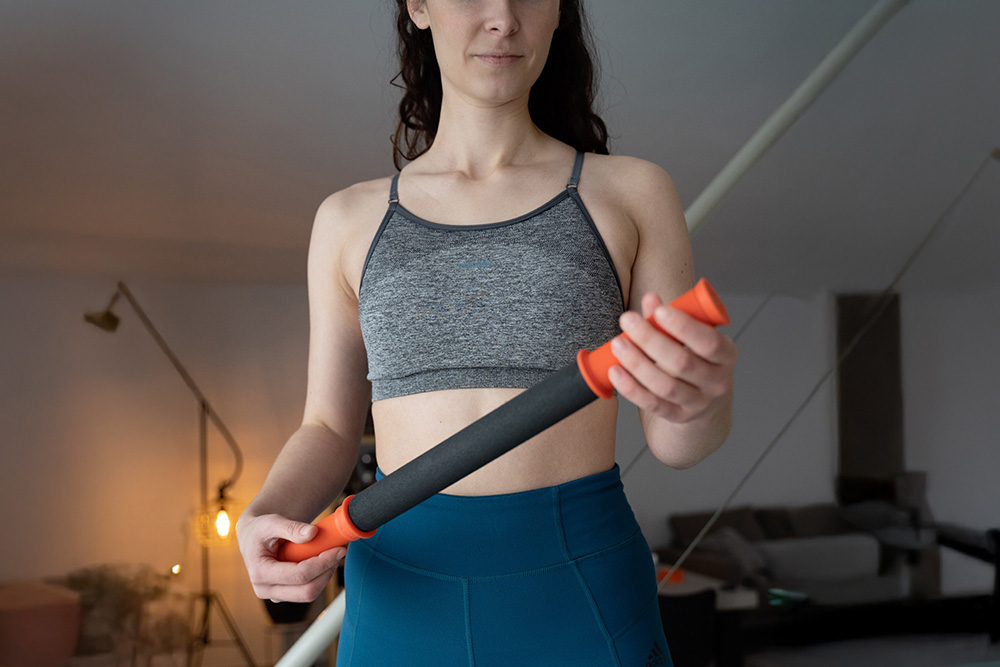
Muscle stick roller and foam rolling stick for athletes. Learn massage stick how to use this muscle roller for high-performance recovery.
Photo by Manuel Lopez

Let’s explore how to get the most out of your muscle roller with three distinct ways to use your handheld roller! Most people only scratch the surface of what foam rolling sticks can actually do. We’ll call this your “Massage Stick How to Use Guide”!

1. How Do I Use a Muscle Stick for General Muscle Rolling?

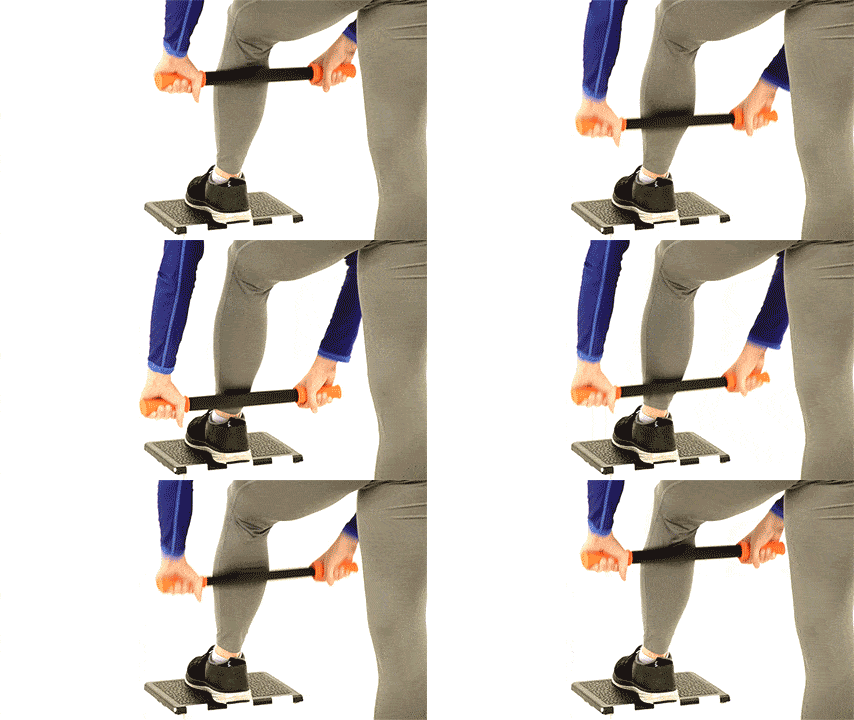
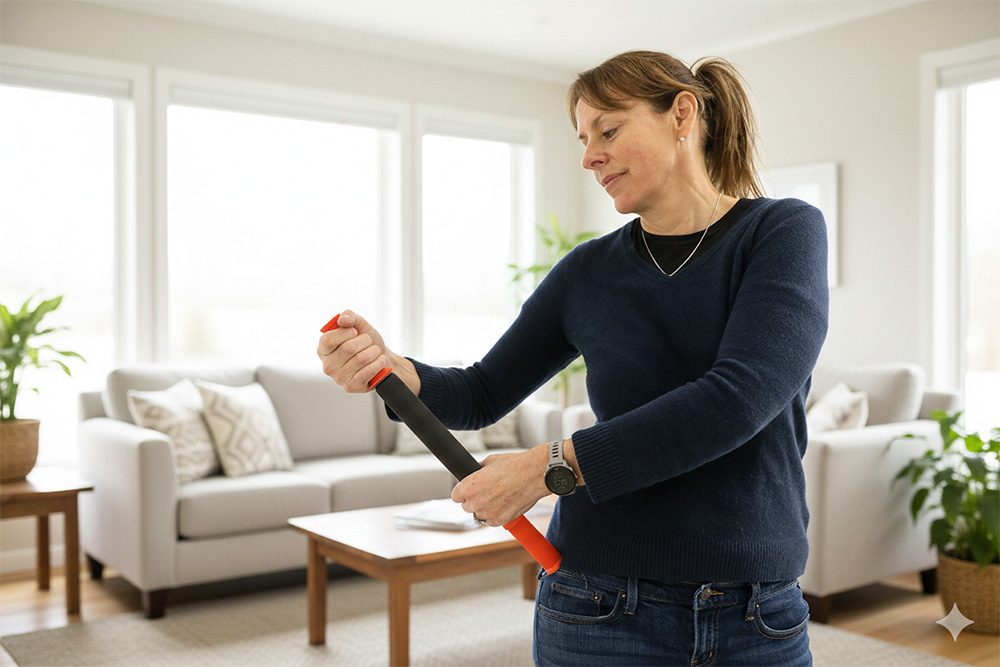
The most common way to use a foam rolling stick is the classic “roll and flush” technique. This method is designed to address large muscle groups like the quadriceps, hamstrings, calves, and back muscles. The goal here is to increase blood flow and warm up the fascia (the connective tissue surrounding your muscles) to improve elasticity.

How to do it:

  1. Grip It: Hold the massage stick by the handles with both hands.
  2. Position It: Place the foam roller part against the relaxed muscle.
  3. Roll It: Apply moderate pressure (about 10 pounds) and roll back and forth along the length of the muscle, staying off joints and bony areas.
  4. Muscle Knots: As you roll, pay attention to “speed bumps” or muscle knots in the muscle. These tender areas may require extra TLC. Spend an additional 10–15 seconds rolling specifically over these spots.
  5. More Details: Check out – How to Roll
The most common way to use a foam rolling stick is the classic "roll and flush" technique. This method is designed to address large muscle groups like the quadriceps, hamstrings, calves, back, and neck muscles.
The most common way to use a foam rolling stick is the classic "roll and flush" technique. This method is designed to address large muscle groups like the quadriceps, hamstrings, calves, and back muscles.

Clinical Nugget:
Research supports the idea that self-myofascial release (SMR) can significantly improve range of motion without decreasing muscle performance. A systematic review published in the International Journal of Sports Physical Therapy found that SMR with tools like roller massagers helps increase joint range of motion and can reduce the sensation of delayed onset muscle soreness (DOMS) after intense exercise (Cheatham et al., 2015).

2. Can I Use the Handle for Targeted Trigger Point Pressure? Yes!

Sometimes, rolling over a knot isn’t enough. Deep, stubborn trigger points—also known as muscle knots—are hyper-irritable spots in the fascia that often need sustained, direct pressure to release. This is where the ends or handles of your muscle stick roller come into play. This technique is often overlooked but is incredibly effective for precise areas like the upper traps, glutes, or the insertion points of the calf muscles.

How to do it:

  1. Locate the Spot: Palpate the muscle with your fingers to find the specific tender point.
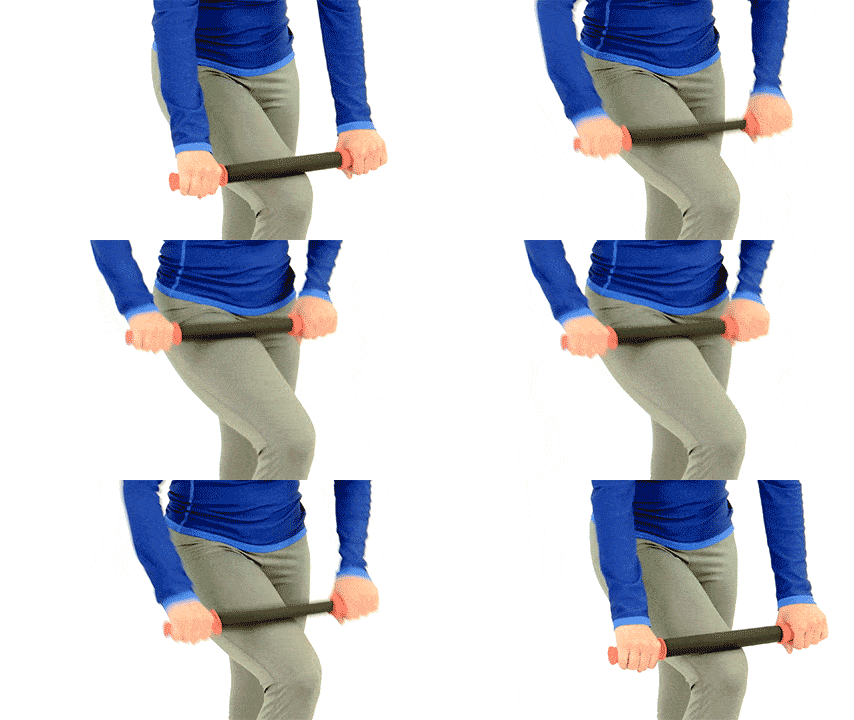
  2. Position the Handle: Hold the massage stick and use the end of the handle (grip) as a probe.
  3. Apply Pressure: Press the handle tip directly into the knot. You aren’t rolling here; you are applying static pressure.
  4. Hold and Breathe: Maintain this pressure for 10-90 seconds. You may feel a “good hurt.” Breathe deeply. As the pain subsides, you can press slightly deeper or release.
  5. Repeat Offenders: Recurring or stubborn muscle knots may require repeating 2-3 times a day to speed healing. Knots should get smaller or disappear each day.
  6. Seek Help: If a knot worsens, causes sharp pain, or doesn’t improve over time, check in with a healthcare or rehab professional.
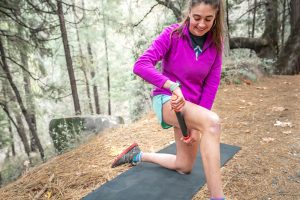
Demonstration of a muscle stick roller being applied to the hip; learn massage stick how to use techniques and use the handle for targeted trigger point pressure to relieve tension.

Clinical Nugget:
This technique mimics a manual therapy method known as ischemic compression. By applying sustained pressure to a trigger point, you temporarily restrict blood flow. When you release, a rush of fresh, oxygenated blood floods the tissue, which can help flush out metabolic waste and release tension. Studies suggest that 90 seconds of sustained pressure can be effective for reducing pain in latent myofascial trigger points (Wiewelhove et al., 2019).

3. How Can I Use a Wall to Leverage Deep Neck and Shoulder Massage?

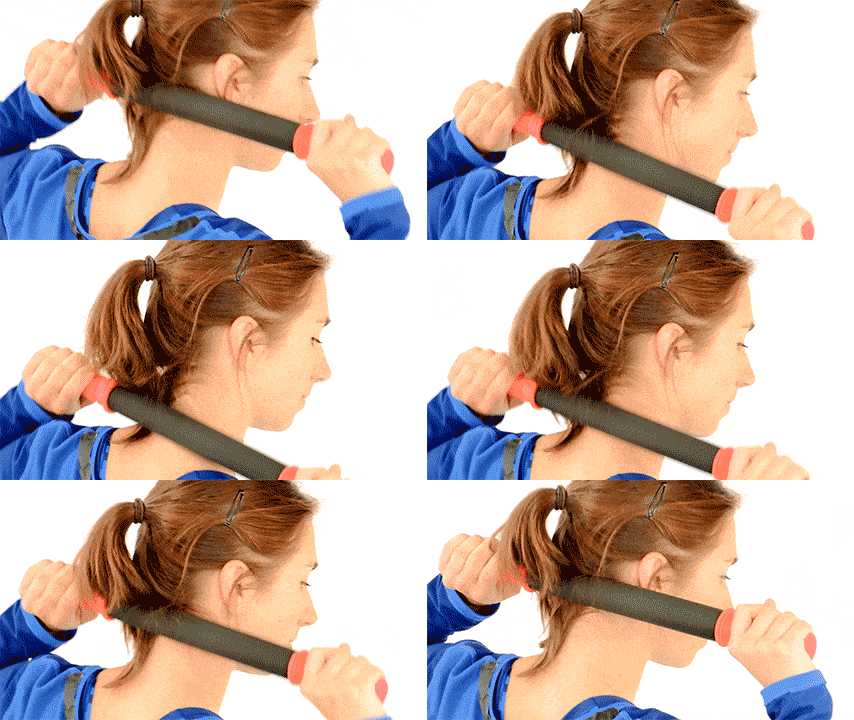
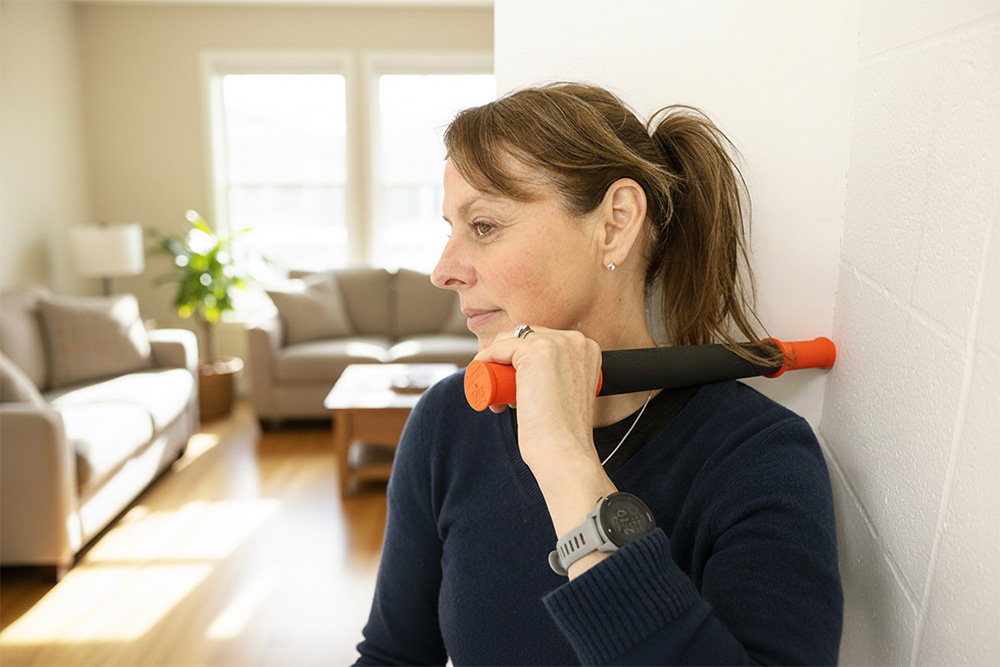
Massaging your own neck and shoulders (upper trapezius) with a massage stick can be awkward and even impossible for those with a limited range of motion… unless you know the tricks! A brilliant workaround is to use a wall to create leverage. This turns your massage stick into a fulcrum, allowing you to easily dig into those hard-to-reach areas of the neck and shoulders.

How to do it:

  1. Anchor the Stick: Stand with your back to a wall. Place one handle of the muscle roller against the wall, firmly, so it doesn’t slip.
  2. Position Your Neck: Lean your body back so that the foam part of the roller presses against your upper trap or the side of your neck.
  3. Create Leverage: Use your free hand to hold the other handle and guide the stick, using the wall as a stabilizer.
  4. Roll: Slowly roll up and down against your neck, or side to side across your shoulder, keeping your neck in a neutral, comfortable position and avoiding sharp or radiating pain.
Demonstration of a muscle stick roller being applied to the shoulder and neck; learn massage stick how to use techniques and use the handle for targeted trigger point pressure to relieve tension.

Clinical Nugget:
Leverage is key in manual therapy to prevent fatigue. By using the wall (a closed kinetic chain setup for the tool), you can generate higher forces with less muscular effort from your arms. This allows for a deeper, more relaxing session because you aren’t tensing your shoulders to push the stick; you are simply leaning.

Conclusion: Why Use a Massage Stick for Daily Muscle Care?

Because they work! Learning how to use a massage stick goes beyond just rubbing it on your legs. By mastering the rolling flush, the targeted handle press, and the wall leverage technique, you turn a simple muscle roller into a full-body recovery system. Whether you are using a Tiger Tail or a standard foam rolling stick, consistency is key. Just a few minutes a day can keep your fascia hydrated and your muscles moving freely. Tag this “Massage Stick How to Use Guide” and be the power behind your muscle recovery journey.

For more information on our awesome tools and programming:

Website: www.tigertailusa.com

Email: [email protected]

Disclaimer: This information is for general knowledge and informational purposes only and does not constitute medical advice. Consult a healthcare professional before starting any new exercise program.

References

  1. Cheatham, S. W., Kolber, M. J., Cain, M., & Lee, M. (2015). The effects of self-myofascial release using a foam roll or roller massager on joint range of motion, muscle recovery, and performance: A systematic review. International Journal of Sports Physical Therapy, 10(6), 827–838.

  2. MacDonald, G. Z., Penney, M. D., Mullaley, M. E., Cuconato, A. L., Drake, C. D., Behm, D. G., & Button, D. C. (2013). An acute bout of self-myofascial release increases range of motion without a subsequent decrease in muscle activation or force. Journal of Strength and Conditioning Research, 27(3), 812–821.

  3. Wiewelhove, T., Döweling, A., Schneider, C., Hottenrott, L., Meyer, T., Kellmann, M., … & Ferrauti, A. (2019). A meta-analysis of the effects of foam rolling on performance and recovery. Frontiers in Physiology, 10, 376.


Spring Faussett Founder of Tiger Tail

Spring Faussett is an American entrepreneur and inventor who founded Tiger Tail USA in 2006 with just $250, building the first 20,000 iconic orange and black massage sticks in her garage. A former Division I soccer player at Washington State University, her personal recovery journey inspired a passion for solving pain problems, resulting in over 15 patents in muscle recovery innovation. Faussett is an award-winning author of Happy Muscles®—Fast: a Self-Help Guide to Un-Knot Your Pain and holds a B.A. in Business and Communications from Washington State University, plus business certificates from Harvard and the University of Washington.