Jaw and Teeth Pain
Muscle knot in the muscles of the head, jaw, and neck can contribute to jaw and tooth pain. These same muscles contribute to head and neck pain. The muscles responsible for chewing are primary contributors, the Masseter and Temporalis, are primary contributors to pain in the jaw and teeth. Untreated muscle knots in these muscles can also mimic TMJ symptoms, as well as ear pain and discomfort.

Causes
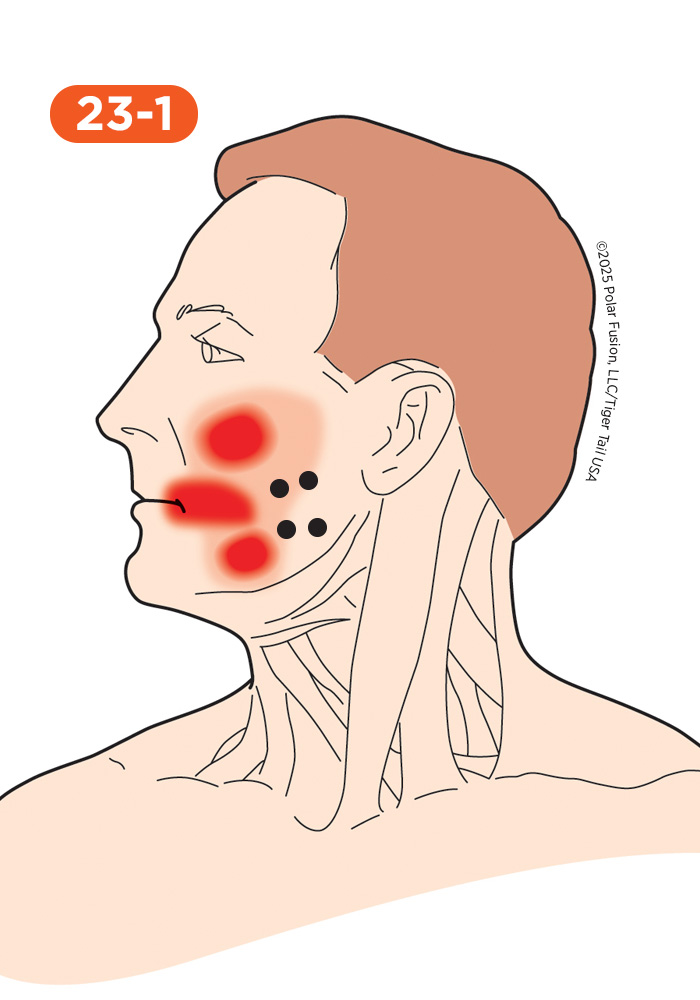
Tooth Pain
It’s like having a toothache that just won’t go away, even though your dentist says everything looks fine—that kind of phantom tooth pain can come from muscle knots in a muscle along the jaw, the superficial masseter. The sensation often feels like a deep, aching pressure or a sharp, stabbing pain in the molars, especially on one side. It can mimic dental decay or even nerve-related pain like trigeminal neuralgia, which can lead to unnecessary dental work if misdiagnosed. The pain worsens when you’re doing things like chewing gum, clenching your jaw during stress, or grinding your teeth at night. You might feel tense and guarded, with a tight jaw that makes it hard to bite down or fully relax your face. That area is also very sensitive—pressing along the cheek just in front of the ear often reveals a sore, knotty spot that feels like it’s radiating straight into the tooth.
Jaw Pain
It feels like your jaw has been working overtime, even if you haven’t been chewing much—that deep, aching jaw pain can come from muscle knots in a muscle along the lower jaw, the superficial masseter. The discomfort often feels like a tight, sore pressure or a sharp pinch right at the jaw’s angle, and it can radiate up toward the ear or down into the neck. It can mimic TMJ dysfunction or ear pain, making it tricky to diagnose without a thorough exam. The pain worsens significantly when you’re doing things like biting into something tough, yawning widely, or clenching your teeth during sleep. You might feel guarded and tense, with limited ability to fully open your mouth or chew comfortably. The area is also very sensitive to touch—pressing along the outer jawline, especially near the cheekbone, often causes a tender, tight response that feels like it’s locked in place.
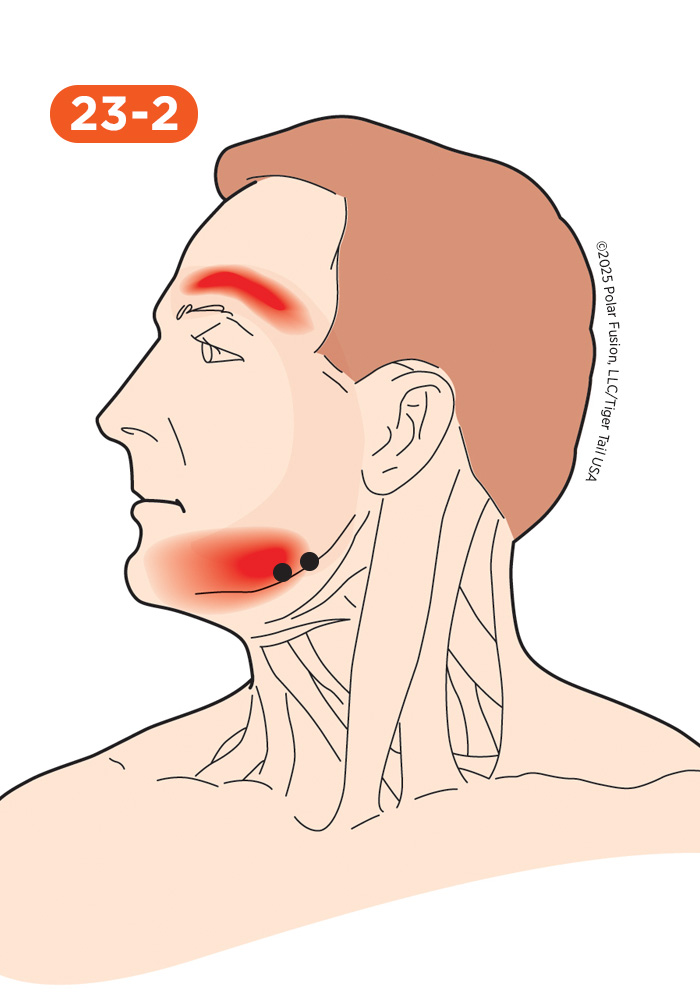
Tooth Pain
That deep, persistent tooth pain that doesn’t seem to be caused by a cavity is often referred pain coming from tight muscle knots in the large muscle visible on the side of your jaw, the masseter superficial. It’s like a persistent, dull toothache that moves around your jaw. The discomfort usually focuses along the side of the jaw and radiates into the molars or gums, presenting as a deep, sore ache that intensifies with chewing. This pain can mimic deeper problems , such as dental abscesses or sinus inflammation. You’ll find the tooth discomfort gets significantly worse when you’re doing activities that tense the jaw, such as chewing gum repeatedly, clenching your teeth at night, or eating tricky or sticky foods. The resulting restriction leaves your jaw feeling stiff and guarded, limiting the extent to which you can open your mouth. The muscle tissue on the side of your jaw is often susceptible to pressure and feels like a tender, taut band.
Jaw Pain
That sharp, intense jaw pain you experience when opening your mouth is often caused by tight muscle knots in the large muscle on the side of your face, the superficial masseter. It feels like a relentless vise is squeezing your jaw joint. The discomfort usually focuses right at the angle of the jaw and near the ear, presenting as a deep, pinching ache that can mimic deeper issues like TMJ (Temporomandibular Joint) dysfunction or trigeminal neuralgia. You’ll find the jaw pain worsens when you’re doing activities that use the jaw forcefully, such as yawning widely, clenching your jaw when stressed, or biting into something hard. This restriction results in your jaw feeling stiff and guarded, severely limiting how wide you can open your mouth. That region is also highly reactive to touch—pressing along the outer jawline, especially near the cheekbone, often triggers a tender, tight response that feels like it’s locked in place.
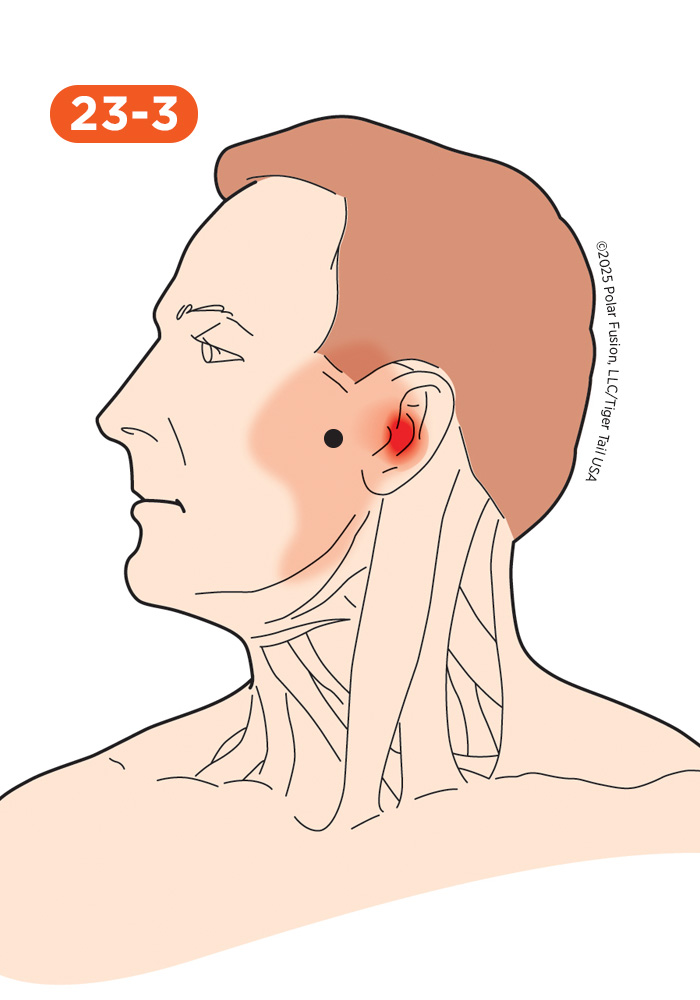
Jaw Pain
It’s like your jaw is stuck in a vice grip—this deep, aching pain can originate from muscle knots in a muscle located beneath the surface of your cheek, in the deep layer of the masseter muscle. The discomfort often feels like a firm, locked-in pressure or a sharp, stabbing sensation right at the jaw hinge. It can mimic TMJ dysfunction or even dental issues like cracked molars, which can lead to confusion during diagnosis. The pain significantly worsens when you clench your teeth during stress, chew tough foods like jerky, or yawn widely. You might feel guarded and tense, with a limited ability to open your mouth fully or chew without discomfort. That area is also sensitive to touch—pressing just behind the cheekbone or deep into the jaw near the ear often reveals a sore, tight knot that feels as if it’s anchoring the pain.
Ear Pain
It’s like a dull earache that won’t go away, even though there’s nothing wrong with your ear—this type of pain can originate from muscle knots in the muscle beneath the cheek, the deep masseter muscle. The sensation often feels like a deep, aching pressure or a sharp, radiating discomfort that occurs just in front of or inside the ear. It can resemble ear infections or even eustachian tube dysfunction, which can lead to misdiagnosis. The pain typically worsens when you’re doing things like grinding your teeth at night, chewing gum, or pressing your jaw tightly while concentrating. You might feel guarded and tense, with a sense of fullness or tightness around the ear that restricts your jaw’s movement. That area is also sensitive to pressure—pressing just in front of the ear or deep into the cheek often triggers tenderness that feels directly connected to the ear pain.
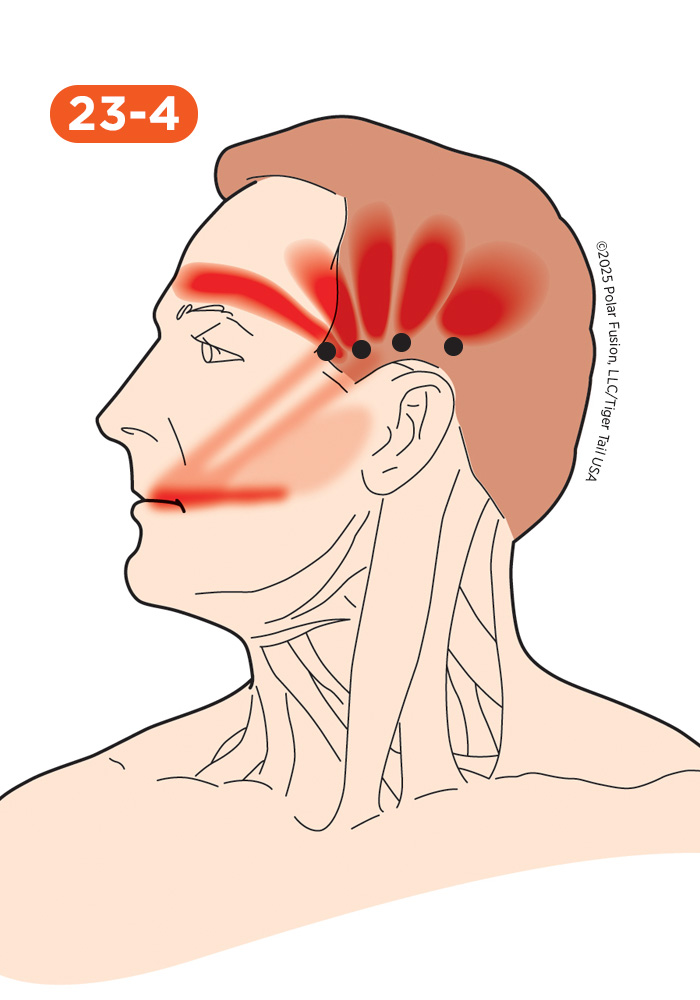
Tooth Pain
That deep, confusing tooth pain that seems to shift around your upper jaw is often referred pain originating from tight muscle knots in the large muscle on the side of your head, the temporalis. It’s like a dull, heavy pressure causing a persistent toothache in your molars. The discomfort usually concentrates along the upper jaw and radiates into the temples and cheekbone, presenting as a deep, sore ache. This pain can mimic more serious issues like sinusitis or dental abscesses. You’ll notice the tooth discomfort worsens significantly during activities that put strain on the jaw, such as chewing tough or sticky foods, clenching your jaw when stressed, or yawning widely. The resulting restriction makes your jaw feel stiff and guarded, reducing how wide you can open your mouth. The muscle tissue on the side of your head, above your ear, is often sensitive to pressure and feels like a tender, taut band.
Jaw Pain
That sharp, intense jaw pain you feel, often radiating to your ear, is usually caused by tight muscle knots in the muscle on the side of the head, the temporalis. It resembles a persistent tension headache that pulls down into your jaw joint. The discomfort generally concentrates along the side of your head and extends to the temple and jaw hinge, presenting as a deep, pinching ache. This severe pain can imitate more serious issues like TMJ (Temporomandibular Joint) dysfunction or trigeminal neuralgia. You might notice the jaw pain worsens during activities that tense the jaw, such as clenching your teeth at night, chewing gum repeatedly, or biting down hard on something. The resulting restriction makes your jaw feel stiff and guarded, turning chewing into a difficult task. The muscle tissue on the side of your head, above your ear, often becomes tender, tight, and painful to the touch.
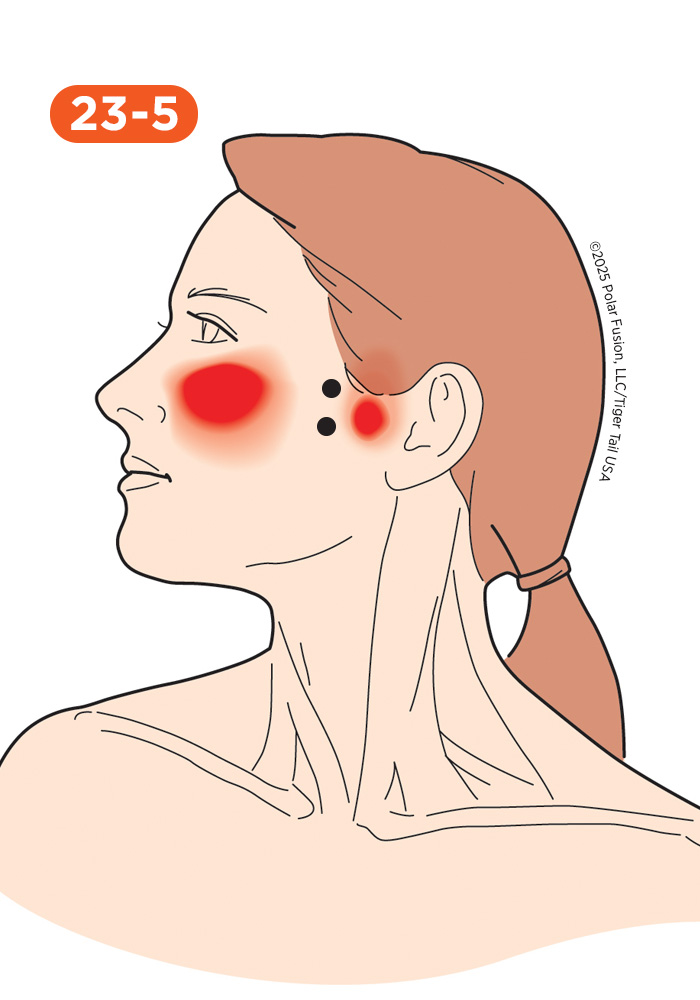
Ear Pain
It’s like a deep earache that feels like it’s coming from inside your head, but there’s no infection or fluid—this kind of pain can originate from muscle knots in a muscle that sits deep in the jaw joint area, the lateral pterygoid. The sensation often feels like a sharp, stabbing discomfort or a dull, aching pressure right in or just in front of the ear. It can mimic TMJ dysfunction or even middle ear issues. The pain worsens when you do things like opening your mouth wide to bite into food, talking for extended periods, or clenching your jaw during stress. You might feel guarded and tense, with a sense of tightness or clicking in the jaw that limits how freely you can open or move it. The area is also sensitive to pressure—though hard to reach directly, palpating just in front of the ear or inside the cheek may reveal a deep, reactive tenderness.
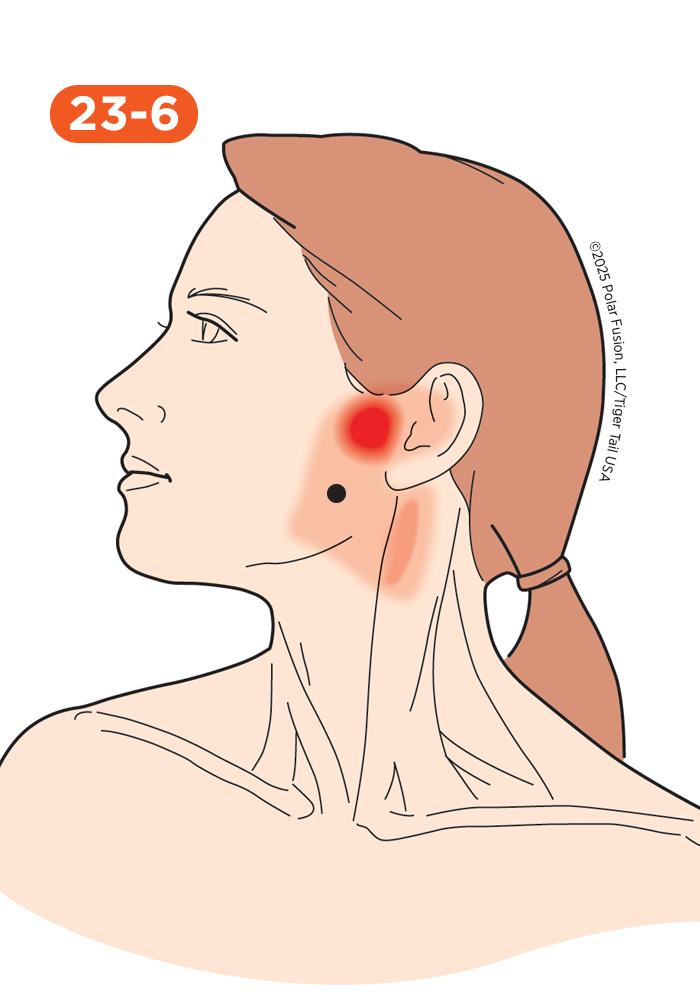
Jaw Pain
It feels like your jaw is being pulled inward from the inside—this deep, aching pain can stem from muscle knots in the medial pterygoid, a muscle along the inner side of the jaw near the throat. The discomfort often appears as tight, sore pressure or a sharp pinch deep in the jaw, sometimes radiating toward the throat or ear. It can mimic TMJ problems or even tonsil-related pain, making diagnosis difficult. The pain worsens significantly when you chew tough foods, grind your teeth at night, or try to open your mouth wide. You may feel guarded and limited, with a tight jaw that makes speaking, chewing, or yawning uncomfortable. The area is also sensitive to touch—pressing inside the mouth along the inner jaw or just beneath the jaw angle often triggers unexpected deep tenderness.
Ear Pain
It’s like a deep earache that seems to originate from inside your throat or jaw. This kind of pain can come from muscle knots in a muscle that runs along the inner side of the jaw near the throat—the medial pterygoid. The discomfort often feels like a dull, aching pressure or a sharp, stabbing sensation that radiates toward the ear, even though the source is muscular. It can mimic TMJ dysfunction or middle ear inflammation, leading to confusion during diagnosis. The pain worsens with activities such as chewing tough foods, clenching your jaw during sleep, or yawning widely. You may feel tense and guarded, with a tight jaw and throat that limit how freely you can open your mouth or turn your head. That region is also sensitive to pressure—pressing just under the angle of the jaw or inside the mouth along the inner jaw often reveals a deep, reactive tenderness that seems to echo in the ear.
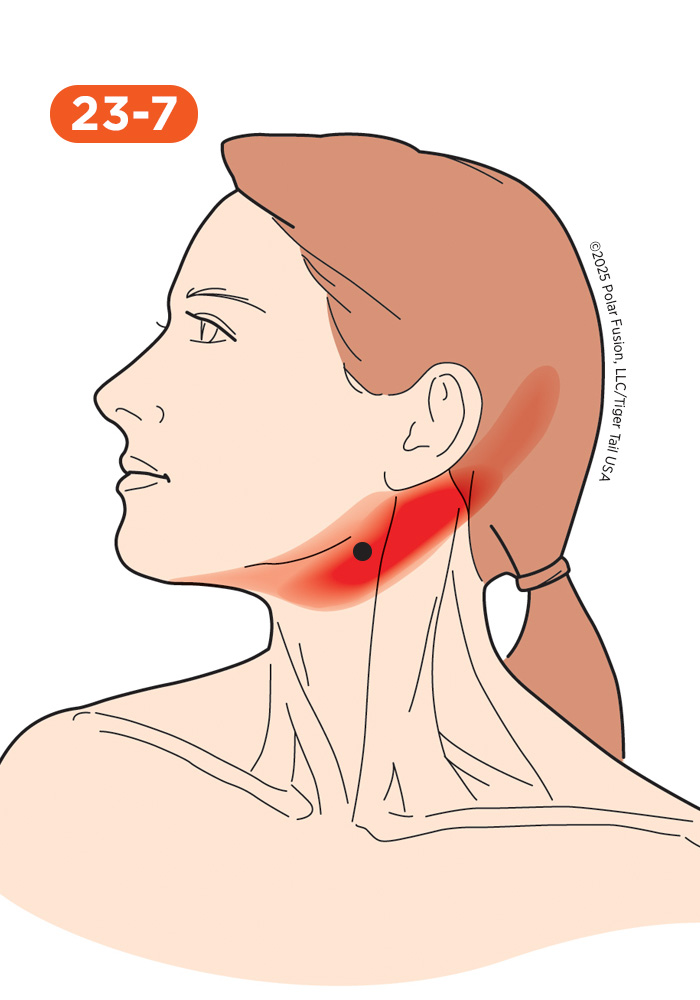
Tooth Pain
That deep, confusing tooth pain that doesn’t seem to be caused by a cavity is often referred pain coming from tight muscle knots in a muscle deep under the back of your jaw, the digastric posterior. It’s like a vague, persistent toothache that seems to settle in your molars. The discomfort usually focuses along the side of the throat and radiates forward into the lower jaw and molars, presenting as a deep, sore ache. This pain can mimic deeper problems like dental abscesses or TMJ dysfunction. You’ll find the tooth discomfort gets significantly worse when you’re doing activities that open the jaw, such as yawning widely, chewing tough or sticky food, or singing or shouting loudly. The resulting restriction leaves your jaw feeling stiff and guarded, limiting how wide you can open your mouth. The muscle tissue deep under the back of the jaw is often susceptible to pressure and feels like a tender, taut band.
Jaw Pain
It feels like your jaw is being pulled backward from under your ear—this deep, nagging pain can originate from muscle knots in a muscle that runs from behind the ear down toward the jaw, the posterior belly of the digastric muscle. The discomfort often presents as a tight, aching pressure or a sharp pinch near the angle of the jaw, sometimes radiating toward the throat or ear. It can mimic TMJ dysfunction or even gland-related pain, making it easy to misinterpret. The pain worsens significantly when you’re swallowing, tilting your head back, or clenching your jaw during stress. You might feel guarded and tense, with a tight jaw and neck that limit how freely you can chew, speak, or open your mouth. That area is also sensitive to pressure—pressing just behind the jawbone or under the ear often reveals a tender spot that feels like it’s anchoring the pain deep into the jaw.