Inner Thigh Pain: 7 Proven, Easy Relief Tips for 2026
Quick answer: Inner thigh pain most often stems from adductor muscle tightness or a groin strain. Consistent myofascial release with a foam roller or massage stick, combined with heat therapy, compression, and progressive hip-strengthening exercises, relieves discomfort and prevents recurrence in most cases within four to eight weeks.
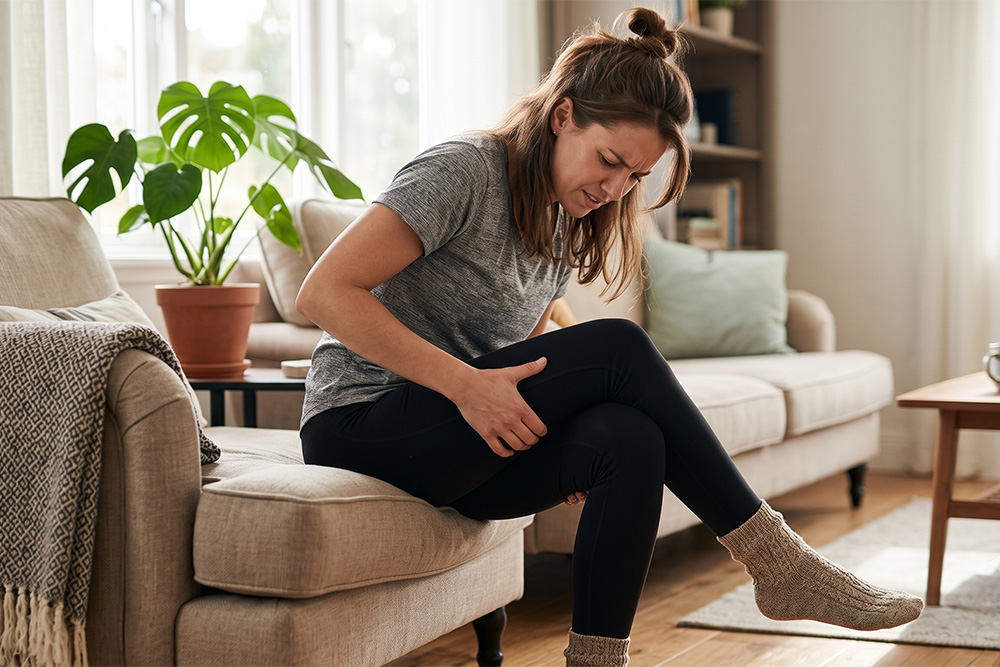
Inner thigh pain is one of the most frustrating complaints among runners, cyclists, yoga practitioners, and everyday athletes — and it is far more common than most people realize. The inner thigh houses the adductor muscle group, a collection of five muscles that stabilize the hip, control leg movement, and absorb ground-force impact. When those muscles become overloaded, strained, or knotted, the resulting discomfort can sideline you for days or weeks if left untreated.
Inner thigh pain most often stems from adductor muscle tightness or a groin strain.
What Causes Inner Thigh Pain?
Most inner thigh pain originates from one of three sources: adductor muscle tightness caused by repetitive movement patterns, a groin strain from a sudden explosive motion, or referred pain from trigger points in the hip flexors or lower back. Sedentary lifestyles that keep the hips in prolonged flexion can be just as damaging as overtraining, because tight hip flexors pull on the adductors and create chronic tension.
Adductor strains — micro-tears from sprinting, kicking, or lateral cuts
Trigger points — hyperirritable knots that refer pain down the inner thigh
Hip impingement — bony contact that loads the adductors abnormally
If the discomfort is sharp, persistent, or accompanied by swelling, consult a licensed healthcare provider before beginning any self-treatment protocol.
7 Proven, Easy Ways to Relieve Inner Thigh Pain
1. Roll Out Adductor Muscle Tightness with a Foam Roller
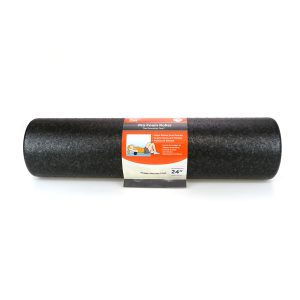
Adductor muscle tightness responds extremely well to sustained compressive pressure. Using a foam roller for inner thigh relief is one of the most effective self-care strategies available. The Essential One™ 24 Relaxed Pressure Foam Roller ($39.99) offers a full 24-inch surface that lets you position the adductor region comfortably while keeping the rest of your body stable. Roll slowly from just above the knee to the groin crease, pausing for 20–30 seconds on any tender spot.
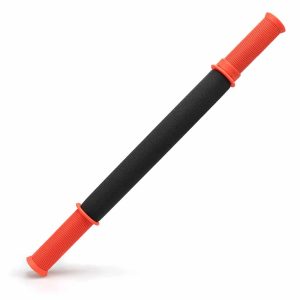
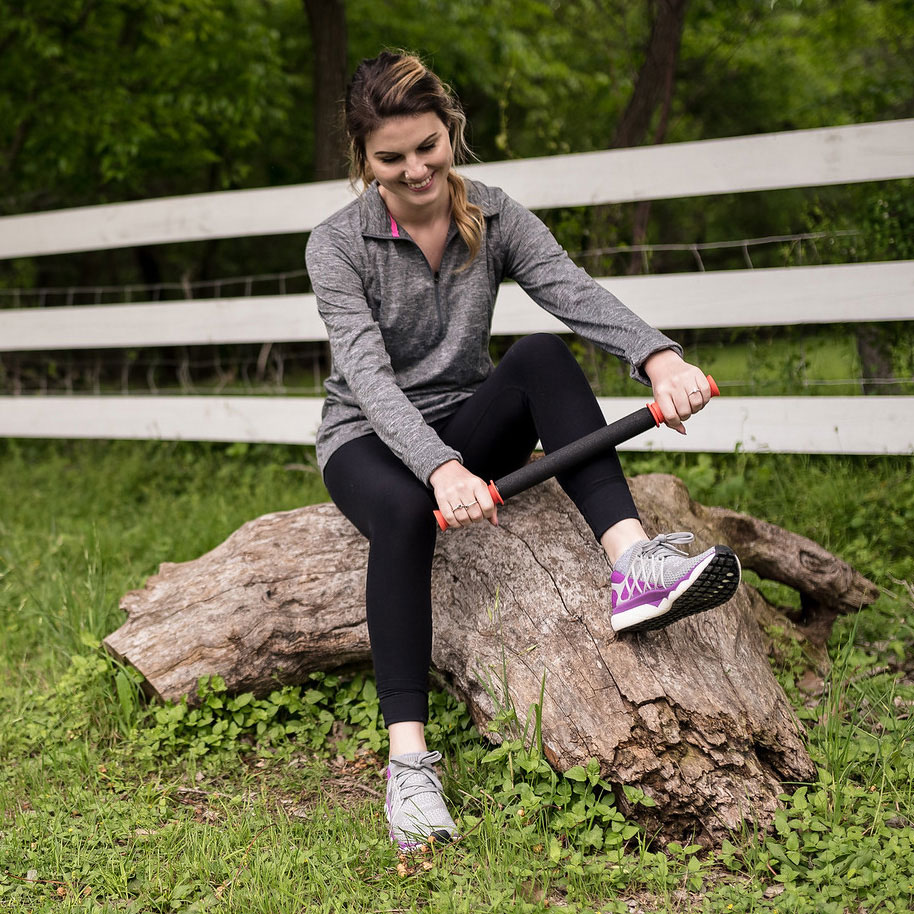
A massage stick gives you precise, directional pressure that a large foam roller cannot replicate. The Original™ 18 Foam Roller Massage Stick ($39.99) flexes to follow the contour of the upper leg, making it ideal for reaching the adductor longus and gracilis. Use short, overlapping strokes along the muscle belly, then lengthen the stroke as the tissue softens.
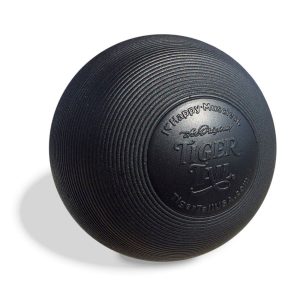
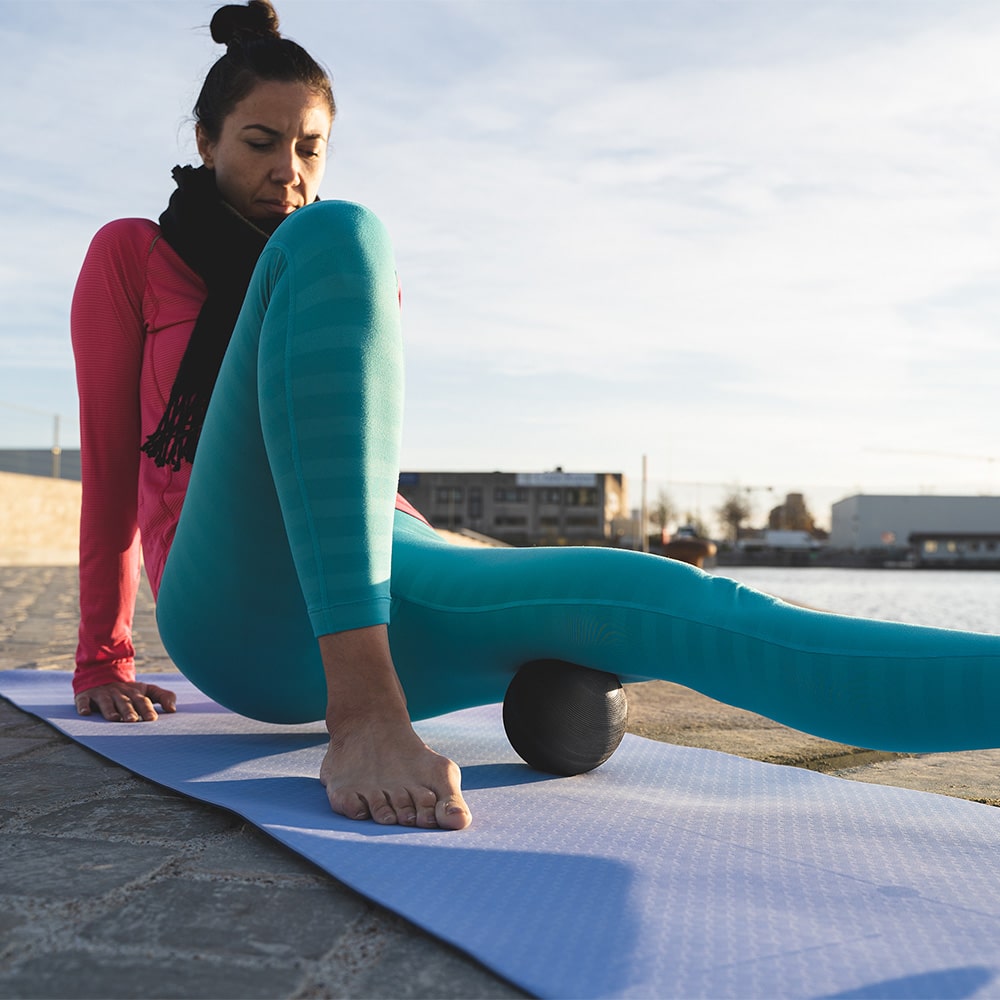
Myofascial release is the process of applying sustained pressure to the fascia — the connective tissue surrounding muscle — to break up adhesions and restore glide between layers. The Tiger Ball® 5.0 Foam Roller Massage Ball ($29.99) straddles the adductor tendon attachment near the pubic bone, a notoriously hard-to-reach area. Place the ball on a firm surface, position the adductor region over it, and apply gentle body weight for 30–60 seconds per point. Myofascial release at this level can significantly reduce referred pain patterns.
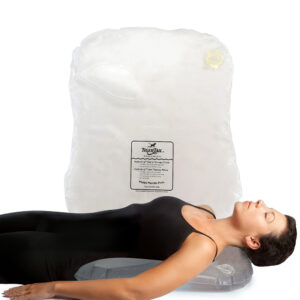
Heat increases blood flow, reduces muscle guarding, and makes fascia more pliable before stretching or rolling. The Hydro Hug® Hot Water Therapy Pillow Medium ($22.99) conforms to the upper thigh and delivers moist, sustained warmth — similar to a hot tub without the water. Apply for 10–15 minutes before your myofascial release session to get more out of every roll.
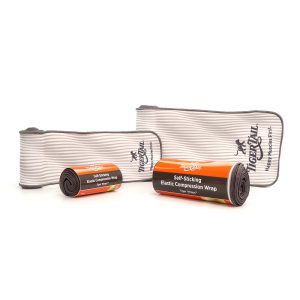
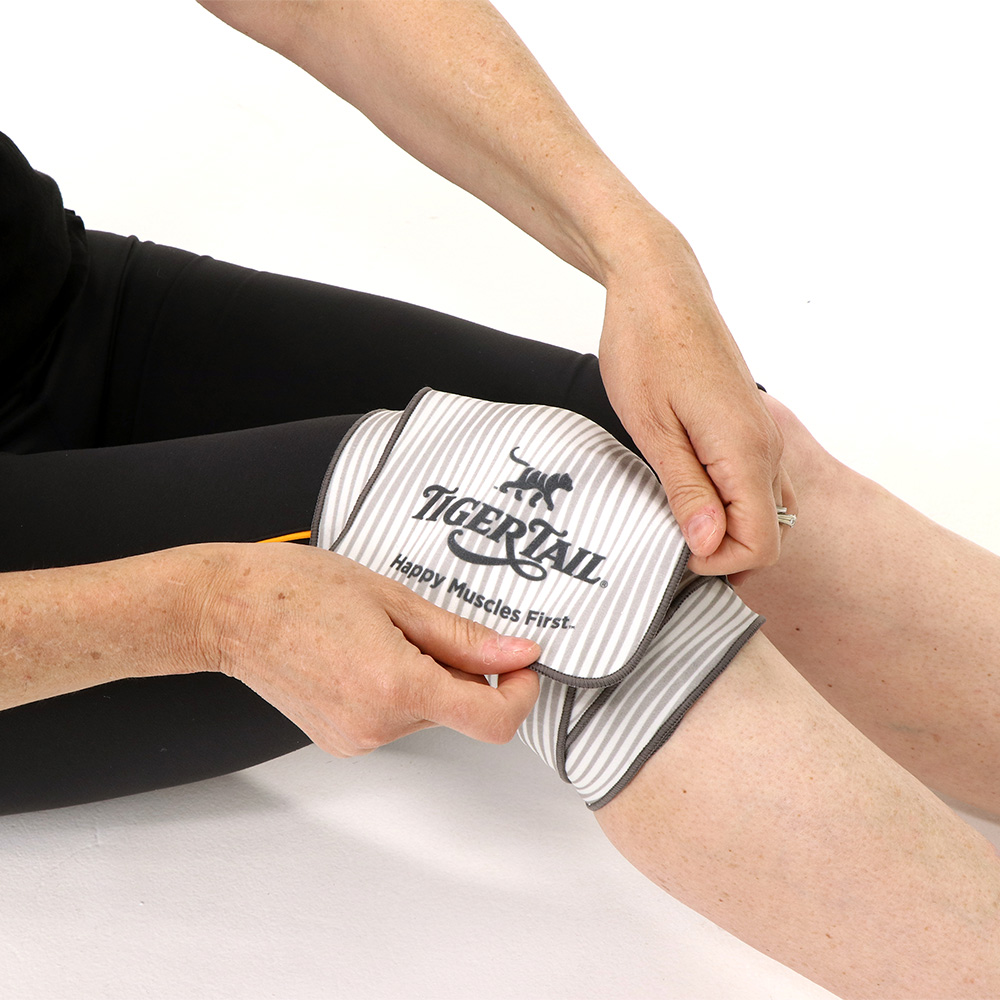
Groin strain recovery depends on controlling inflammation in the acute phase and maintaining circulation during the subacute phase. Tiger Wraps Self-Sticking Compression Wraps ($12.99) wrap snugly around the upper thigh without pins or clips, providing graduated compression that supports the adductor group during light activity and speeds fluid clearance after training.
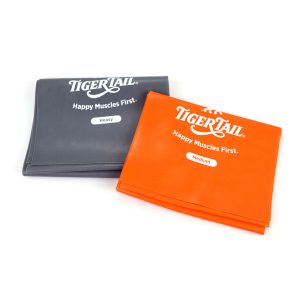
Weak hip abductors are a primary driver of chronic adductor overload — when the gluteus medius cannot stabilize the pelvis, the adductors compensate. The Resistance Bands 2-Pack ($14.99) includes medium (45 lb) and heavy tension bands, letting you progressively load lateral hip exercises like clamshells, side-lying abductions, and banded squats to correct the imbalance at the root.
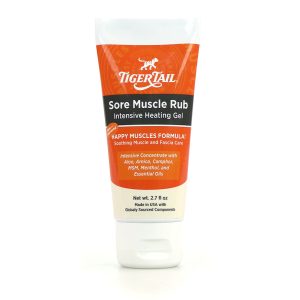
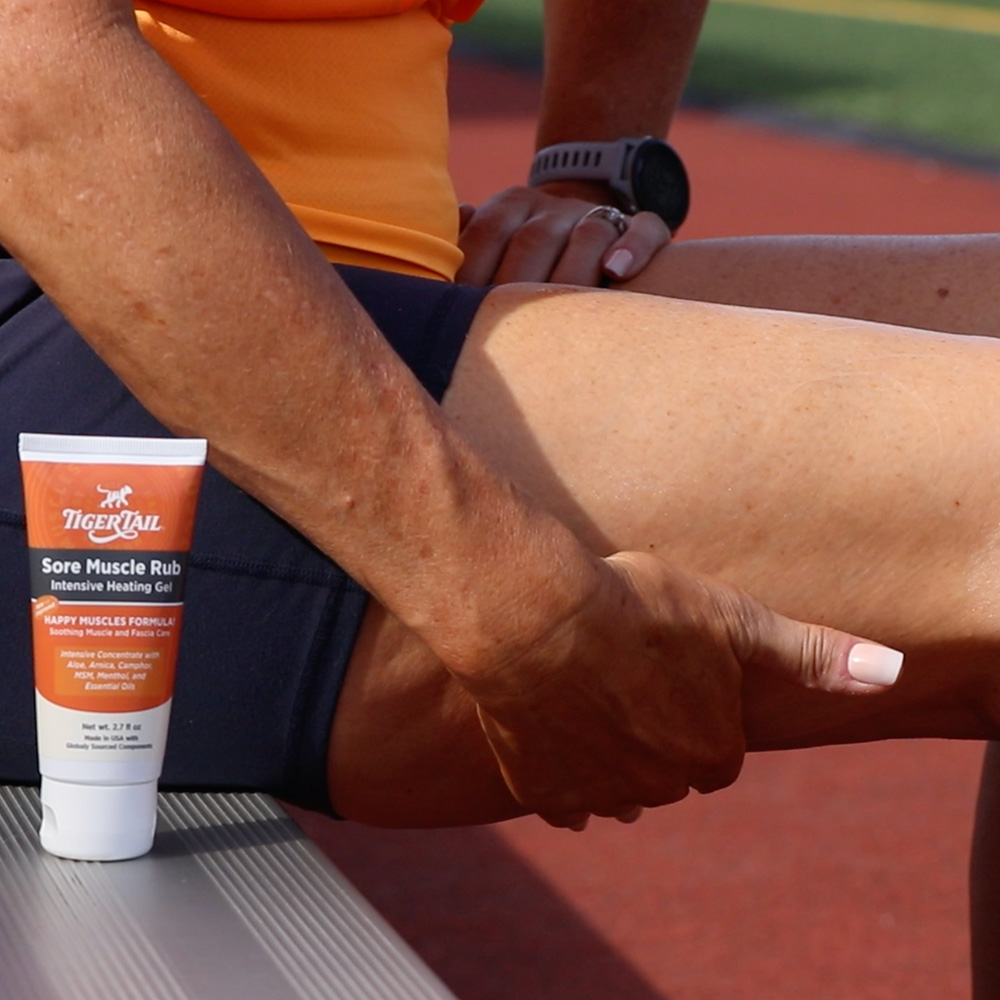
After rolling and stretching, a stimulating topical can extend the relief window by increasing local circulation and reducing residual soreness. Sore Muscle Rub 2.7 oz Intensive Heating Gel ($22.99) absorbs quickly and can be applied directly over the adductor belly for a warming, invigorating effect that keeps muscles loose between sessions.
How to Use a Foam Roller for Inner Thigh and Adductor Relief
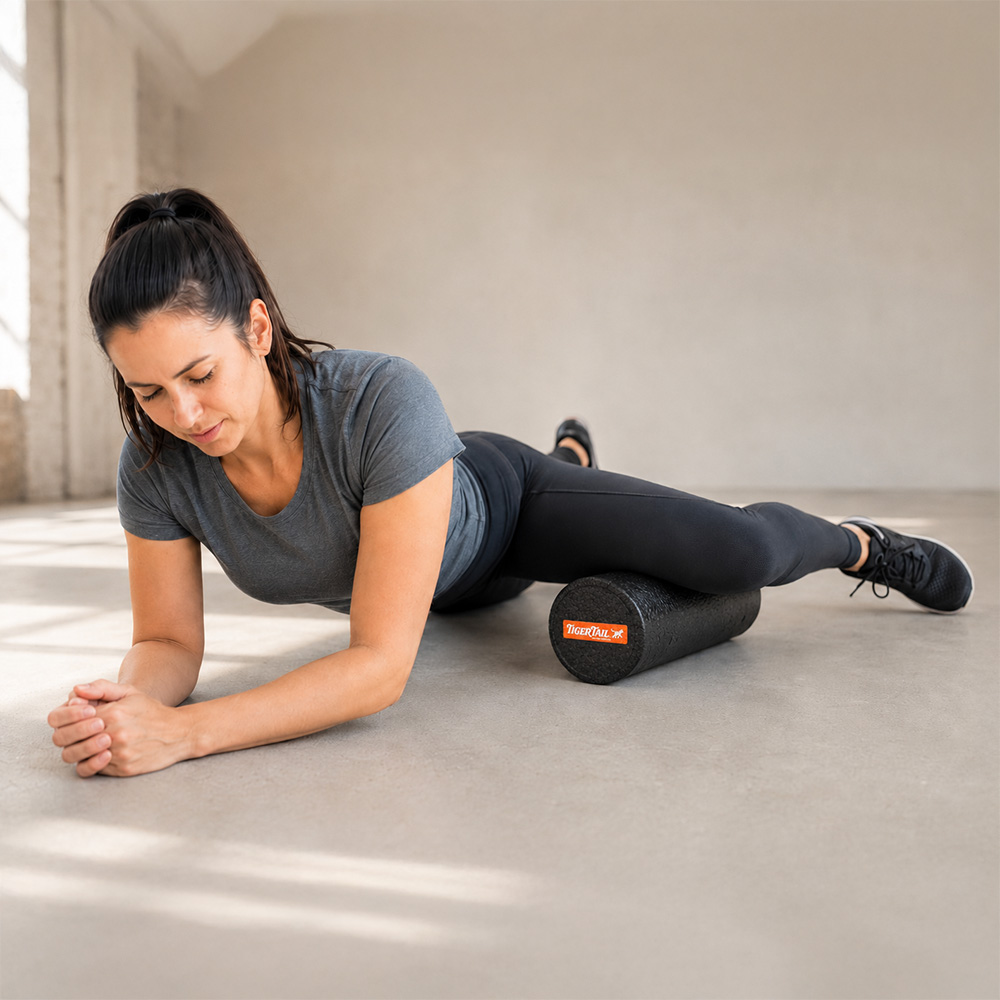
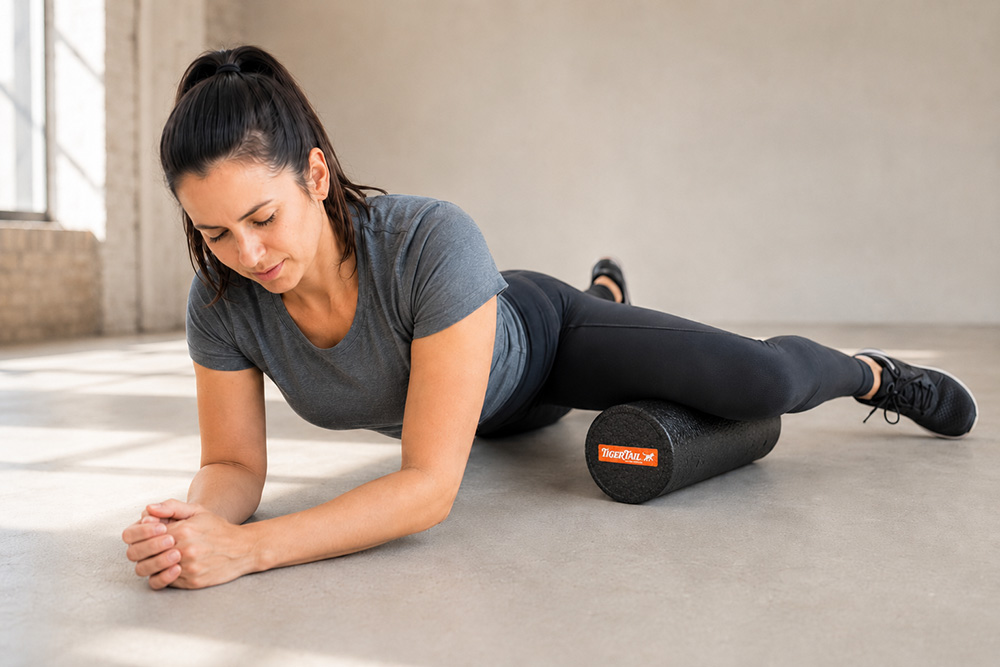
This step-by-step walkthrough uses the Essential One™ 24 Relaxed Pressure Foam Roller — the most accessible tool for foam-rolling the inner thigh. Whether you are dealing with chronic inner thigh pain or recovering from a groin strain, this routine provides a structured way to address adductor tightness at home.
Set up: Place the roller on the floor. Lie face-down, propped on your forearms.
Position: Rotate your right hip outward so the adductor surface faces the floor. Rest the mid-adductor region on the roller.
Find the spot: Slowly shift your weight side to side until you locate a tender area — usually 4–6 inches above the knee.
Apply pressure: Hold still on that spot for 20–30 seconds, breathing slowly. Avoid rolling over the groin crease or bony landmarks.
Flush the area: After releasing the knot, make three long, slow passes from knee to groin to encourage circulation.
Switch sides: Repeat the entire sequence on the left leg.
Stretch: Finish with a standing adductor stretch — feet wide, shift weight to one side, hold 30 seconds each.
Inner Thigh Foam Rolling
Adductor Muscle Tightness vs. Groin Strain: Know the Difference
Adductor muscle tightness typically presents as a dull, bilateral ache that worsens with prolonged sitting or after exercise. It responds well to rolling, stretching, and heat. A groin strain, by contrast, usually has a clear mechanism of injury — a sudden lunge, sprint, or change of direction — and produces sharp, localized pain that may include bruising or swelling.
For groin strain recovery, the RICE protocol (rest, ice, compression, elevation) governs the first 48–72 hours. After that, gentle mobility work and progressive loading with resistance bands rebuild strength without re-injury. According to StatPearls clinical guidelines, most Grade I and II adductor strains resolve within 4–8 weeks with conservative management.
When to See a Professional About Inner Thigh Pain
Self-care tools are powerful, but they are not a substitute for clinical evaluation. Seek professional assessment if you experience inner thigh pain that does not improve after two weeks of consistent self-treatment, discomfort that radiates to the knee or lower back, or any numbness and tingling along the inner leg. The Physio-Pedia groin strain resource outlines the clinical grading system that guides treatment decisions.
For a comprehensive, guided approach to muscle recovery that goes beyond a single tool, the Tiger Tail Active Recovery Course ($249) provides structured myofascial release programming covering the full lower body, including adductor protocols.
Frequently Asked Questions
What causes groin and adductor discomfort when walking?
Walking-related adductor discomfort is usually caused by muscle tightness or trigger points that activate under load. It can also indicate a mild groin strain or hip impingement. Rolling the adductors and strengthening the hip abductors typically resolves it.
Is a foam roller good for inner thigh pain?
Yes. A foam roller applies compressive myofascial release to the adductor muscles, breaking up adhesions and improving circulation. Use slow, deliberate passes and pause on tender spots for 20–30 seconds for best results.
How long does a groin strain take to heal?
Most Grade I and II groin strains heal within 4–8 weeks with rest, compression, and progressive rehabilitation. Grade III tears may require longer recovery and should be evaluated by a physician.
Can tight hip flexors cause adductor tension?
Yes. Tight hip flexors alter pelvic alignment and shift compensatory load onto the adductors, leading to chronic inner thigh tension. Releasing the hip flexors and strengthening the glutes often reduces adductor-related pain.
Should I use heat or ice for a groin or adductor injury?
Use ice during the first 48–72 hours after an acute strain to reduce inflammation. Switch to heat therapy once swelling subsides — heat relaxes tight muscle tissue and improves tissue pliability before stretching or rolling.
Medical disclaimer: This article is for general informational and educational purposes only and is not a substitute for professional medical, veterinary, or fitness advice, diagnosis, or treatment. Always consult a qualified professional before starting a new exercise, recovery, or treatment program, or if you have any concerns about a health condition.
Safety disclaimer: Always read and follow the manufacturer’s instructions, warnings, and usage guidelines for any product or equipment mentioned here. Use tools and techniques as directed and within your own ability; start gently, stop if you feel pain or discomfort, and seek professional guidance if you are unsure. Improper or excessive use can result in injury.