

Knots in Lower Back: 5 Proven Tools for Fast, Easy Relief

Quick answer: Knots in lower back muscles form when overworked fibers fail to release. Consistent myofascial release using targeted tools like a peanut foam roller, acupressure hook, and heat therapy — applied 5–10 minutes daily — can significantly reduce pain and restore normal muscle function within one to two weeks.
Knots in lower back muscles are one of the most common complaints among desk workers, athletes, and anyone who spends long hours on their feet. These tight, tender nodules — technically called myofascial trigger points — form when muscle fibers contract and fail to release, restricting blood flow and causing localized pain that can radiate into the hips, glutes, and even down the legs.
Why Knots in Lower Back Muscles Form
The lower back is anchored by the erector spinae, quadratus lumborum (QL), and multifidus muscles. These deep stabilizers work constantly to keep you upright, making them prime candidates for overuse and chronic tension. Common triggers include:
- Prolonged sitting with poor lumbar support
- Repetitive lifting or twisting motions
- Muscle imbalances from tight hip flexors or weak glutes
- Dehydration and poor sleep, which slow muscle recovery
- Emotional stress, which raises cortisol and increases baseline muscle tension
Understanding the root cause helps you choose the right tool and technique — and avoid making things worse.
Myofascial Release Lower Back: What the Research Says
Myofascial release lower back techniques work by applying sustained pressure to trigger points, encouraging the fascia — the connective tissue wrapping around every muscle — to soften and lengthen. According to the National Institutes of Health, myofascial release lower back therapy can significantly reduce pain intensity and improve range of motion in patients with chronic low back pain. The key is consistent, targeted pressure rather than aggressive force.
Spending just 5–10 minutes on myofascial release after activity — or first thing in the morning — can prevent trigger points from becoming chronic and entrenched.
5 Tiger Tail Tools for Muscle Knot Relief
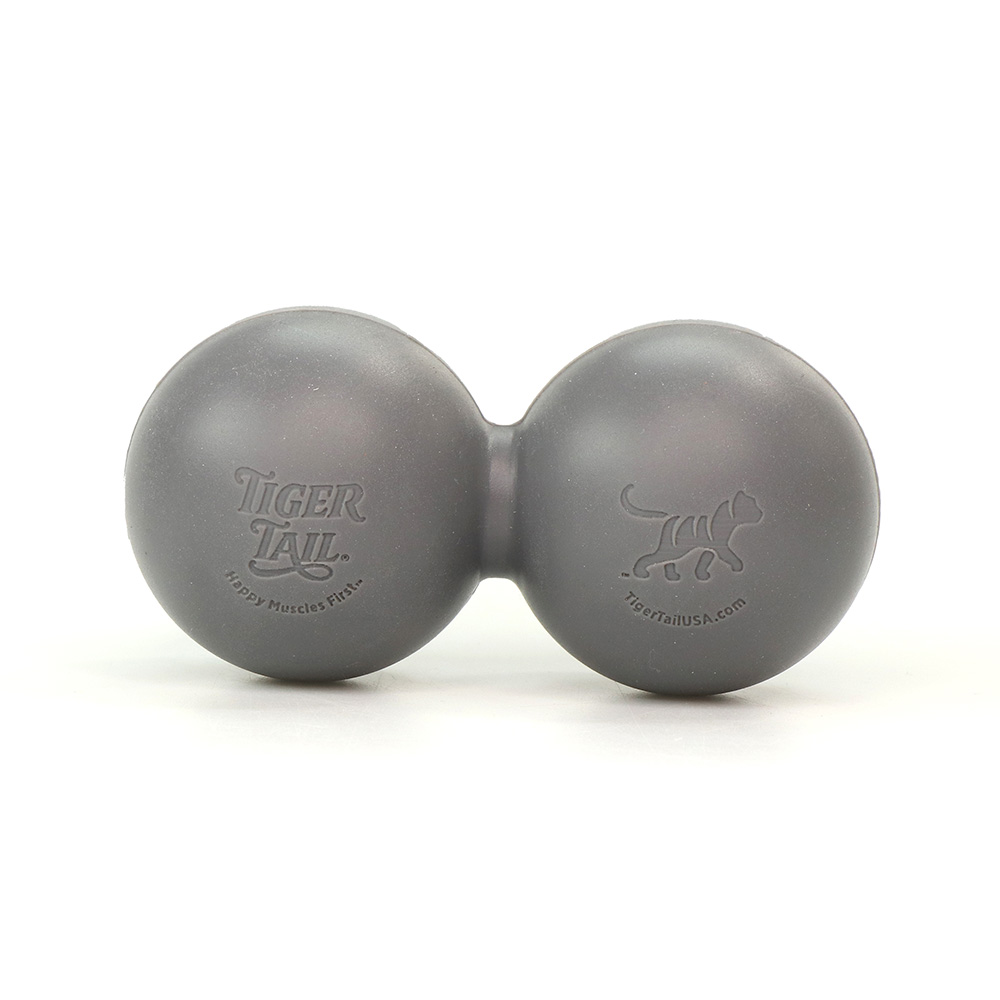

1. Tiger Ball Peanut 2.4 - Foam Roller Peanut — $29.99
The Tiger Ball Peanut 2.4 – Foam Roller Peanut is purpose-built for deep tissue muscle massage along the spine. Its dual-ball design straddles the vertebrae, delivering bilateral pressure to the erector spinae without compressing the spine itself. Ideal for anyone whose knots in lower back muscles sit on either side of the lumbar vertebrae.
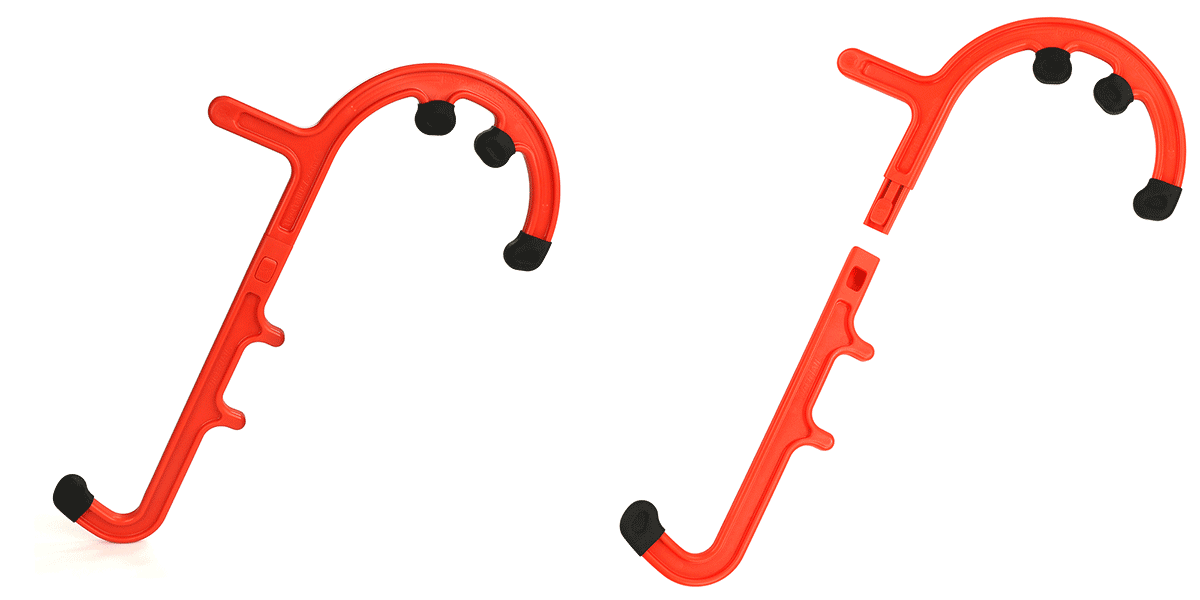

2. Tiger Cane™ Acupressure Massage Hook — $39.99
The Tiger Cane™ Acupressure Massage Hook lets you reach the quadratus lumborum — a notoriously hard-to-access deep muscle — without a partner. Its ergonomic hook shape applies pinpoint pressure for genuine muscle knot relief, especially for lateral lower back tension. Perfect for self-massage for back pain at a desk or after a workout.
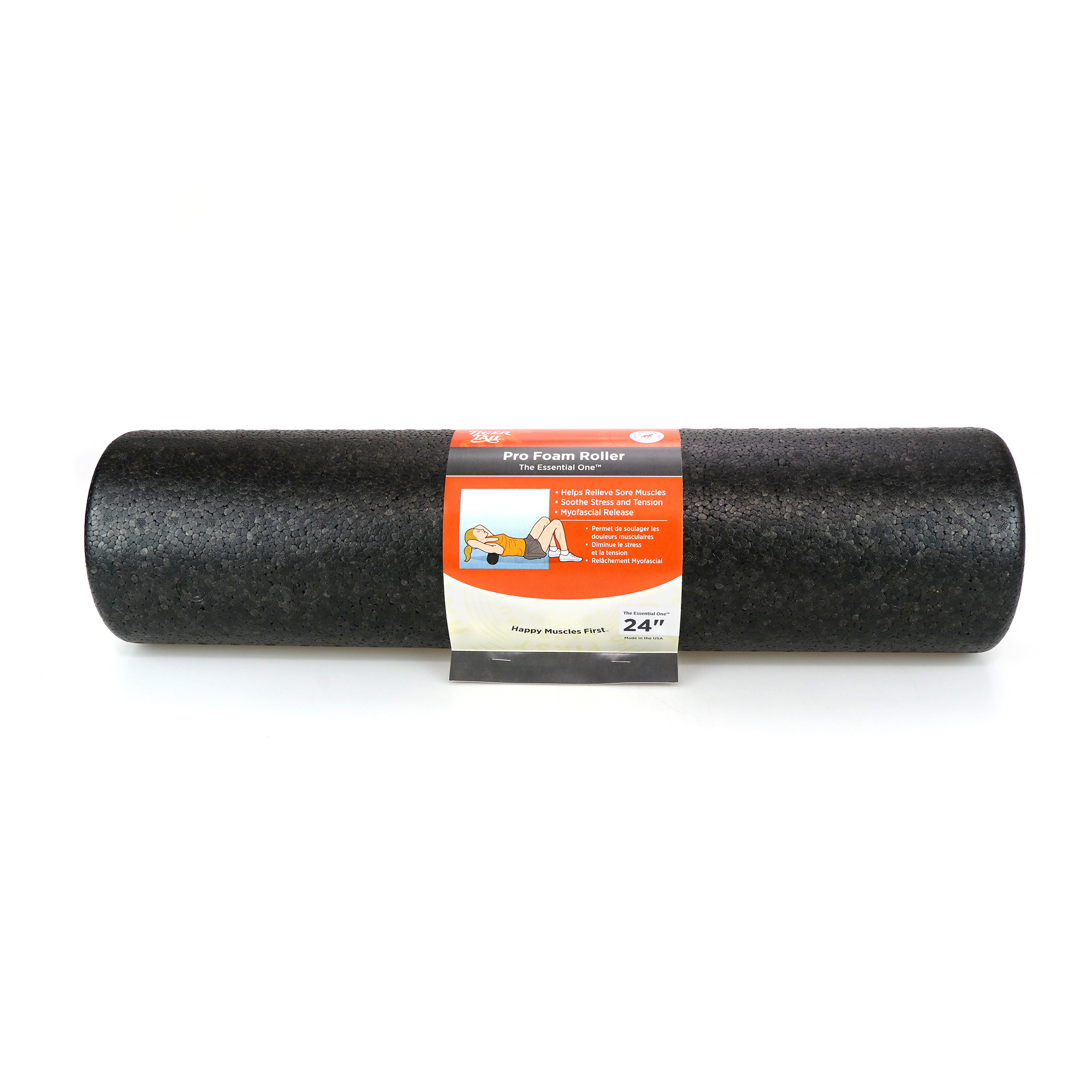
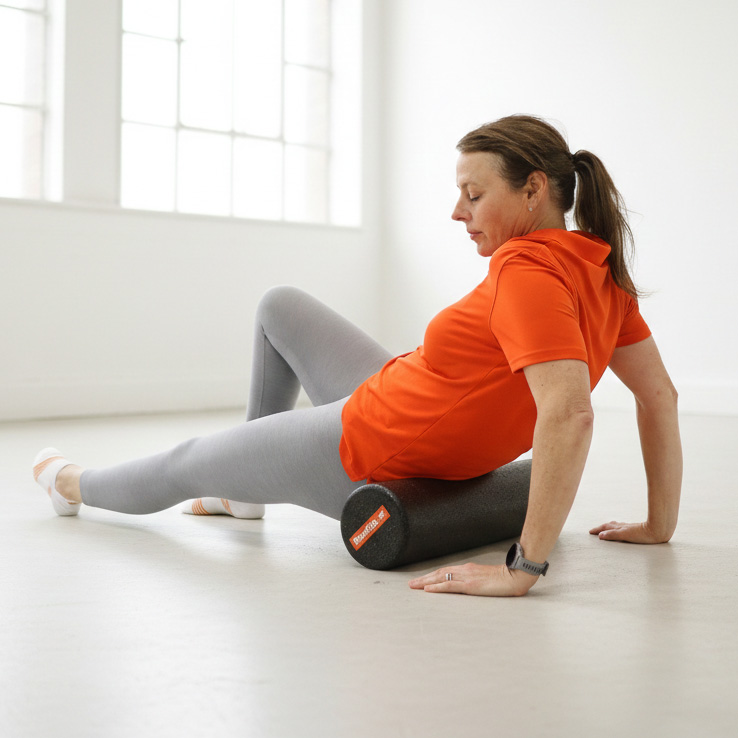
3. Essential One™ 24 Relaxed Pressure Foam Roller — $39.99
The Essential One™ 24 Relaxed Pressure Foam Roller offers a broader surface area for rolling out the entire lumbar region and thoracolumbar fascia. At 36 inches, it accommodates a full range of body positions and is gentle enough for daily use. A go-to for beginners tackling knots in lower back tissue for the first time.
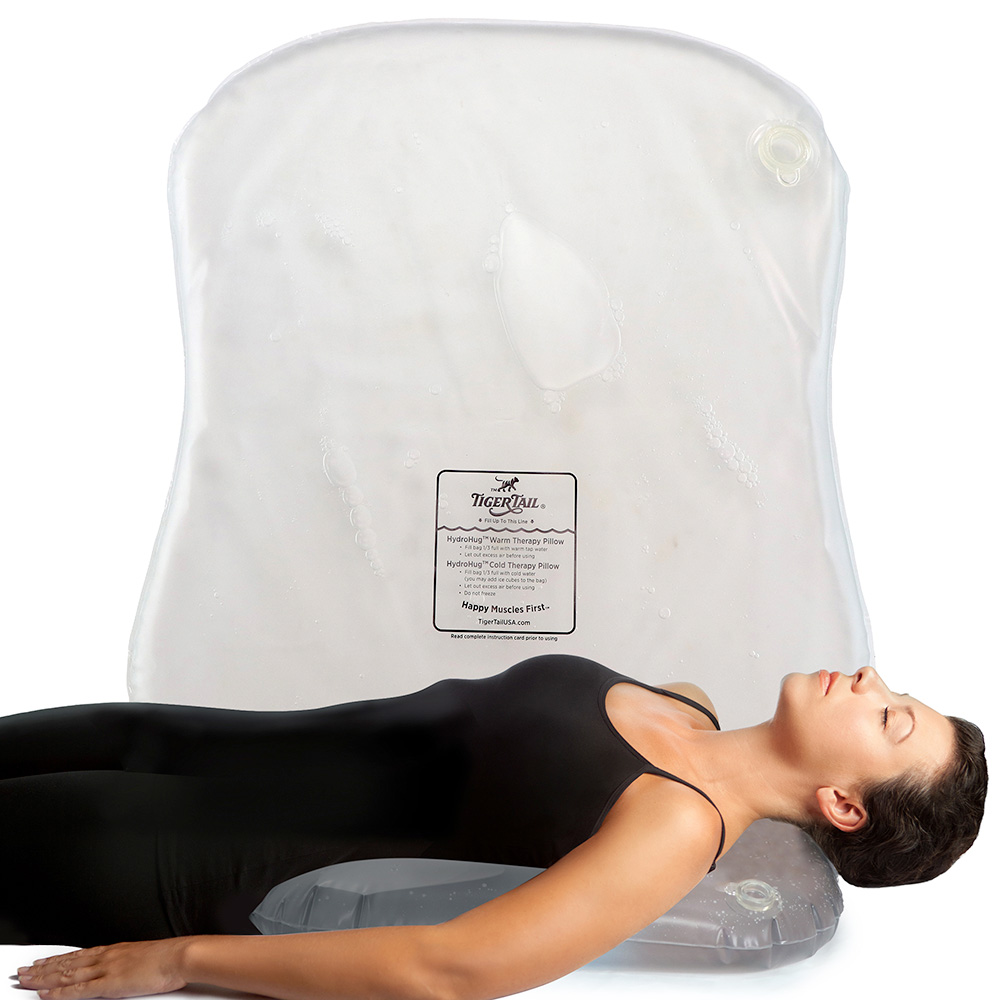
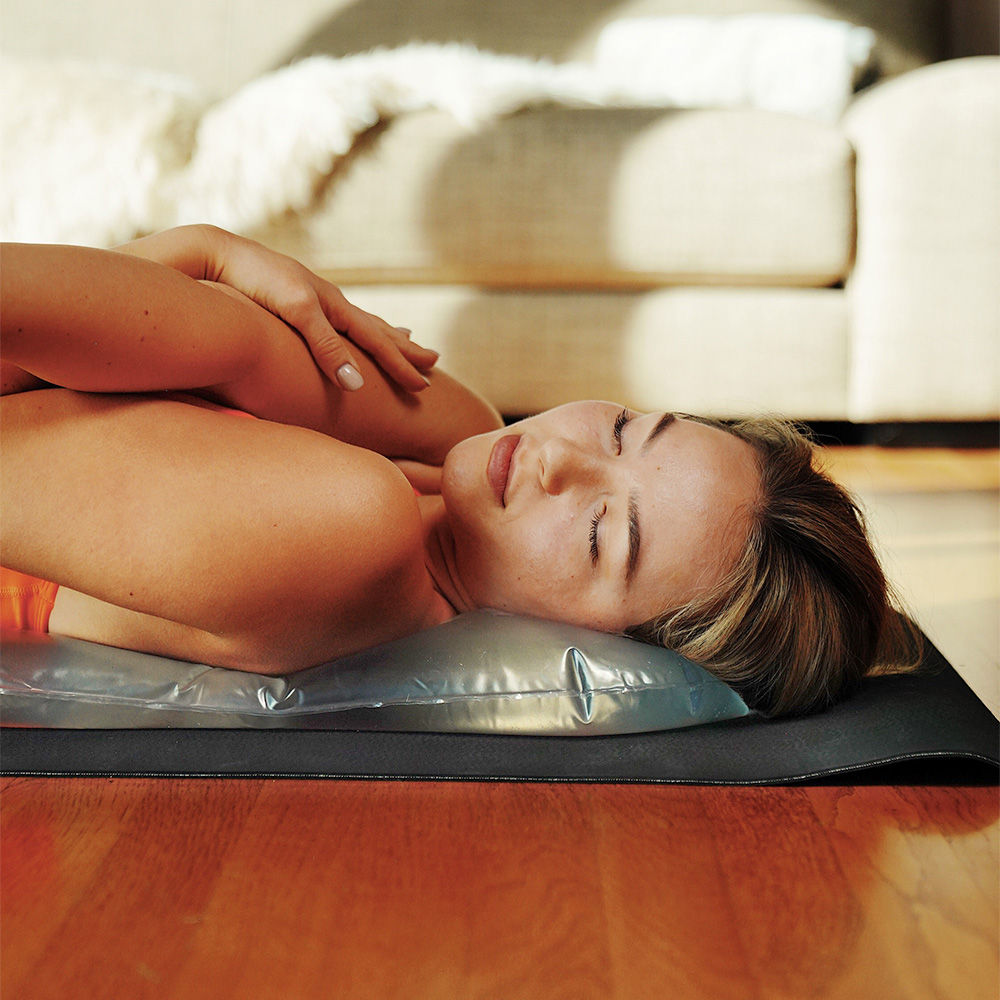
4. Hydro Hug® Hot Water Therapy Pillow Large — $24.99
Heat therapy is a clinically supported complement to manual release. The Hydro Hug® Hot Water Therapy Pillow Large delivers moist warmth directly to the lumbar region, increasing local circulation and making muscle fibers more pliable before or after deep tissue muscle massage. Use it for 10–15 minutes before rolling for best results.
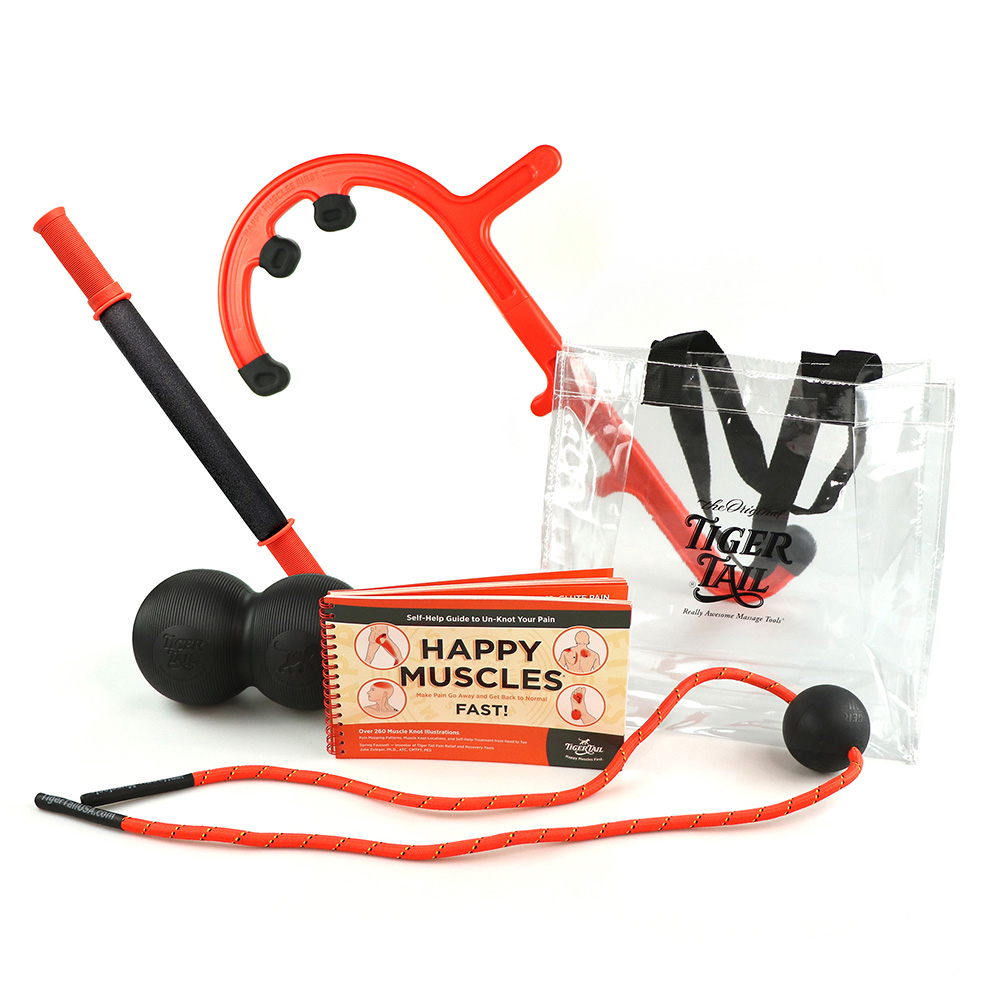

5. Rehab In A Bag Kit — $149.99
For a comprehensive approach to muscle knot relief, the Rehab In A Bag Kit bundles professional-grade recovery tools into one portable package. It’s the smart choice for athletes or chronic pain sufferers who need a full toolkit — not just a single solution — for managing recurring knots in lower back muscles.
Self-Massage for Back Pain: Step-by-Step with the Tiger Ball Peanut 2.4

Self-massage for back pain is most effective when you follow a structured protocol. Here’s a simple routine using the Tiger Ball Peanut 2.4 – Foam Roller Peanut:
- Warm up first. Walk briskly for 5 minutes or apply the Hydro Hug® for 10 minutes to increase tissue temperature.
- Position the peanut. Place it on the floor and lower your lower back onto it so the two balls sit on either side of your lumbar spine — never directly on the vertebrae.
- Find the knot. Shift your weight slowly until you feel a tender spot (a 6–7 out of 10 on a discomfort scale).
- Apply sustained pressure. Hold still on that point for 30–90 seconds. Breathe deeply. You should feel the tension gradually release.
- Slowly roll. Move 1–2 inches up or down and repeat. Spend no more than 2 minutes per segment.
- Rehydrate. Drink 8–12 oz of water immediately after to help flush metabolic waste from released tissue.
Repeat this routine daily for 5–7 days to address acute knots in lower back muscles, then 3 times per week for maintenance.
Deep Tissue Muscle Massage: Combining Tools for Lasting Results
No single session of deep tissue muscle massage eliminates a chronic trigger point permanently. Lasting muscle knot relief requires layering approaches: heat to soften tissue, targeted pressure to release the knot, and gentle movement to restore normal fiber alignment. According to the Spine-Health resource on myofascial therapy, combining self-care tools with corrective exercise produces better long-term outcomes than passive treatment alone.
Adding the Resistance Bands to your routine helps strengthen the glutes and hip stabilizers — reducing the load on the lower back muscles that form knots in the first place.
When to See a Professional
Most knots in lower back muscles respond well to consistent self-care within 1–2 weeks. Seek medical attention if pain is severe, radiates below the knee, is accompanied by numbness or tingling, or follows an acute injury. These symptoms may indicate a disc or nerve issue that requires clinical evaluation before any massage tool is used.
Frequently Asked Questions
What causes knots in lower back muscles?
Lower back knots are caused by overuse, prolonged sitting, muscle imbalances, dehydration, and stress. These factors trigger sustained muscle contractions that restrict blood flow and form painful trigger points in the erector spinae and quadratus lumborum.
How do I get rid of knots in my lower back fast?
Apply moist heat for 10–15 minutes to soften the tissue, then use a peanut foam roller or acupressure hook to apply sustained pressure to the tender spot for 30–90 seconds. Drink water afterward and repeat daily for best results.
Is it safe to foam roll knots in the lower back?
Yes, when done correctly. Use a peanut-shaped roller that straddles the spine rather than pressing directly on the vertebrae, keep pressure moderate (6–7 out of 10 discomfort), and avoid rolling if you have acute injury, disc herniation, or nerve symptoms.
How long does it take for lower back muscle knots to go away?
Acute knots often respond within 3–7 days of consistent self-care. Chronic trigger points that have been present for weeks or months may take 2–4 weeks of daily myofascial release and corrective exercise to fully resolve.
Can stretching alone fix knots in the lower back?
Stretching helps but is rarely sufficient on its own. Trigger points need direct pressure to release the contracted fibers; stretching without first releasing the knot can sometimes increase irritation. Combine myofascial release tools with stretching for the best outcome.