
Leg Roller Workouts: How to Roll Your Way to Faster Recovery
A leg roller is one of the most direct tools you can add to a recovery routine — it targets the quads, hamstrings, calves, and IT band in ways that static stretching simply cannot reach. This article takes a different angle from our general roller comparison posts: here you’ll find muscle-specific techniques, timing guidelines, and a side-by-side look at the Tiger Tail tools that work best for leg tissue.

Why Your Legs Need More Than Stretching
After a run, a heavy leg day, or even a long day of standing, the fascia surrounding your leg muscles can tighten into dense, resistant layers. Stretching lengthens the muscle belly, but it does little to break up the adhesions within the fascia itself. That’s where a leg roller earns its place: it applies sustained, directional pressure that coaxes those layers apart.
Research published by the National Institutes of Health found that foam rolling after exercise significantly reduced perceived muscle soreness at 24 and 48 hours post-workout. The mechanism is twofold — improved circulation to the area and a temporary reduction in muscle spindle activity, which allows the tissue to relax.
Myofascial Release: What's Actually Happening
Myofascial release is the process of applying gentle, sustained pressure to the myofascial connective tissue to eliminate pain and restore motion. When you roll slowly over a tender spot and pause, you’re encouraging the fascia to hydrate and remodel. This is distinct from a brisk back-and-forth motion, which mostly just warms the surface tissue.
Effective myofascial release on the legs requires the right tool shape. A long, rigid foam roller works well for large surfaces like the quad, while a smaller, denser ball or peanut-shaped roller reaches the belly of the calf or the piriformis more precisely. Myofascial release sessions of just 60–90 seconds per muscle group, done consistently, produce measurable improvements in range of motion over two to four weeks.
Deep Tissue Massage vs. Rolling: Knowing the Difference
Deep tissue massage performed by a therapist uses cross-fiber friction and sustained compression to break down chronic adhesions. A leg roller replicates part of that process through self-applied compression and shear force. The key difference is feedback: you control the pressure in real time, which makes self-rolling safer for daily use but less powerful for severe chronic knots.
For most active people, combining daily leg roller work with occasional professional deep tissue massage gives the best outcome. Use the roller to maintain tissue quality between sessions and rely on hands-on therapy when a knot has been present for more than two weeks without improvement.
Muscle Recovery Timing: When to Roll
Muscle recovery is not a passive process — it requires blood flow, nutrient delivery, and waste removal. Rolling at the right time amplifies each of those mechanisms.
- Pre-workout (5 min): Light rolling at low pressure increases tissue temperature and prepares the nervous system. Keep it brief to avoid reducing force output.
- Post-workout (10–15 min): This is the prime window. Roll slowly, pausing 20–30 seconds on tender spots to encourage fluid exchange.
- Rest days: A short 5–10 minute session maintains tissue pliability and prevents fascia from stiffening between training days.
- Before bed: Gentle rolling activates the parasympathetic nervous system, which can improve sleep quality and overnight muscle recovery.
Choosing a Leg Roller: Foam Roller vs. Massage Stick
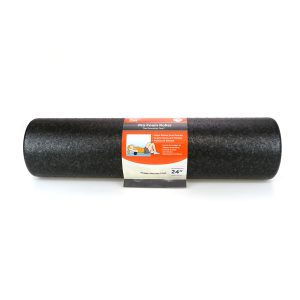
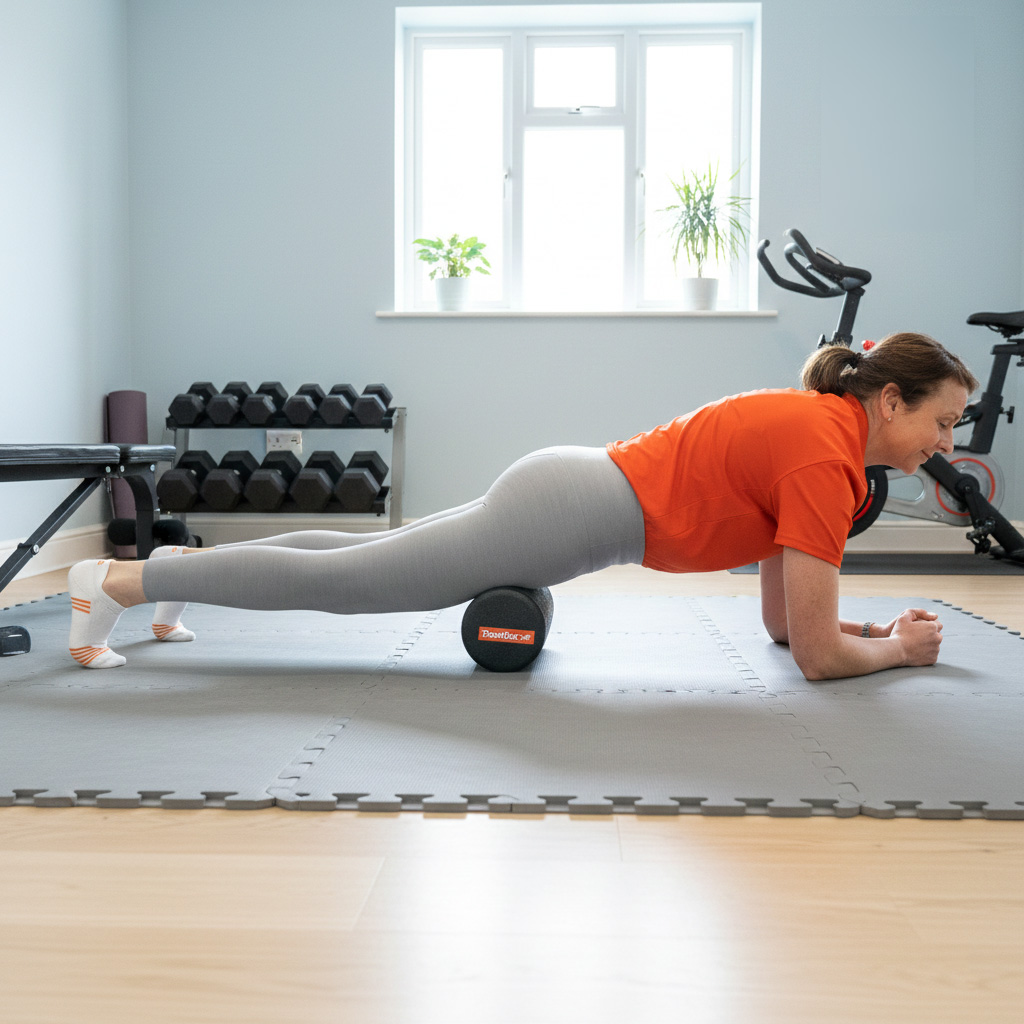
The classic foam roller remains the most versatile option for large leg muscles. The Essential One™ 24 Relaxed Pressure Foam Roller ($39.99) is a 36-inch professional-grade surface used by athletes worldwide. Its length lets you roll the entire quad or hamstring in a single pass, and the relaxed-pressure density is firm enough to reach deeper fascia without bruising superficial tissue.
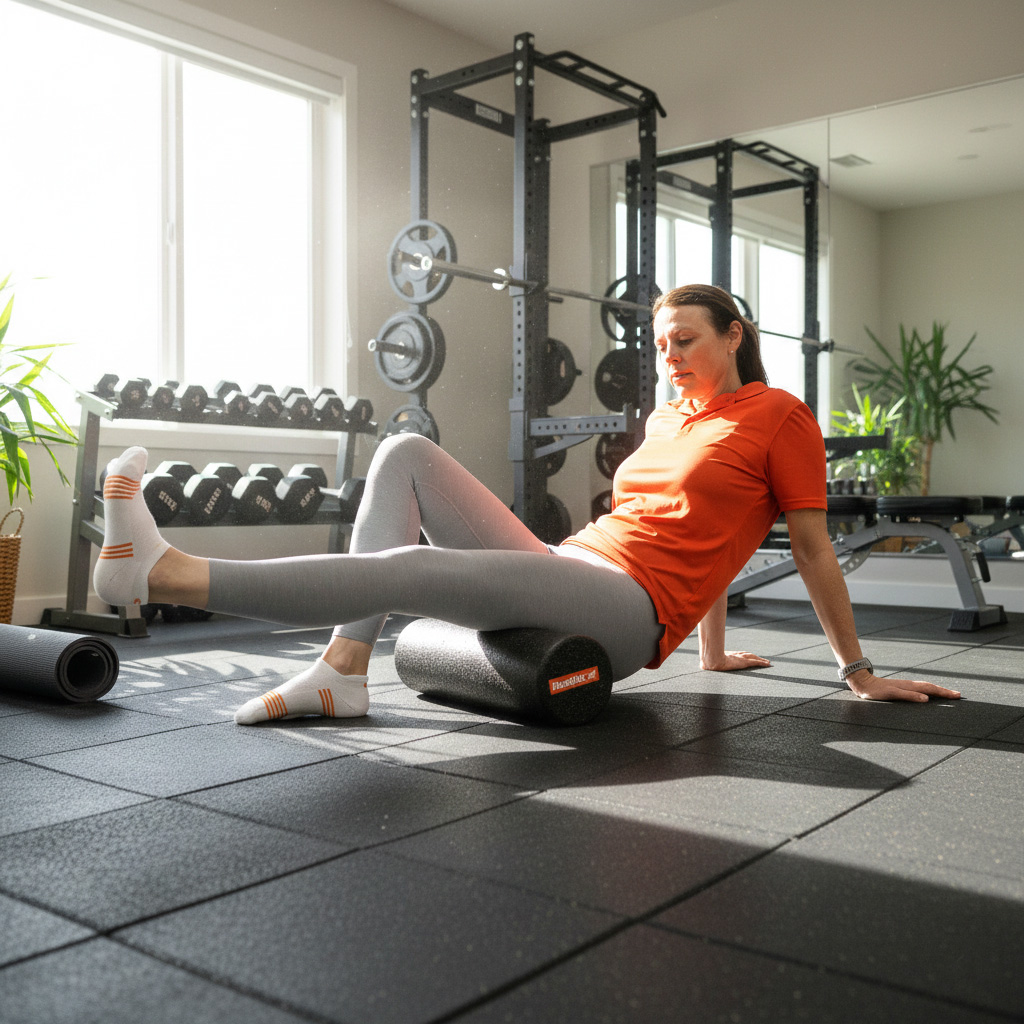
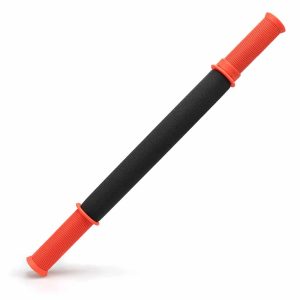
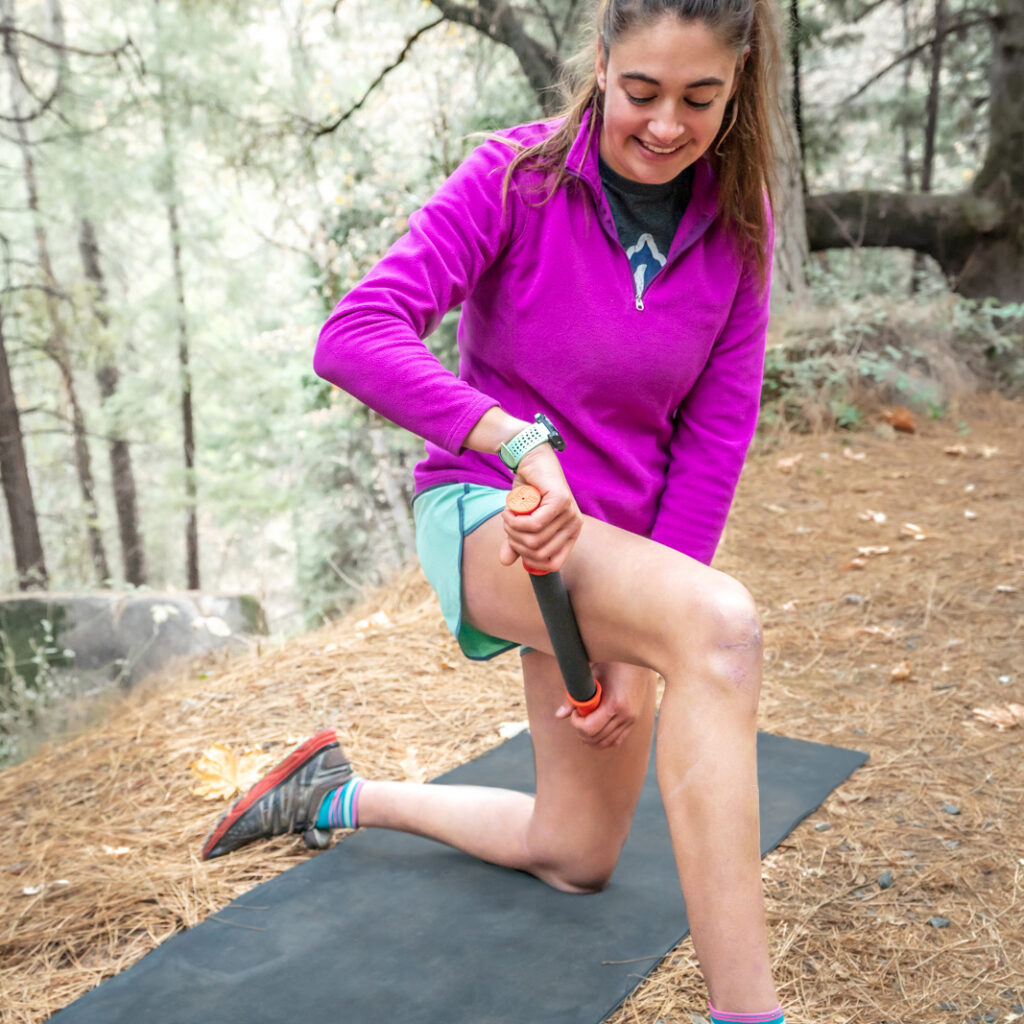
For runners and cyclists who need to target the calf or the IT band insertion point, a massage stick offers more control. The Original™ 18 Foam Roller Massage Stick ($39.99) features a flexible spine with independent rolling segments that contour to the curve of the calf — something a rigid foam roller cannot do. You can apply it seated, standing, or even mid-race at the side of the road.
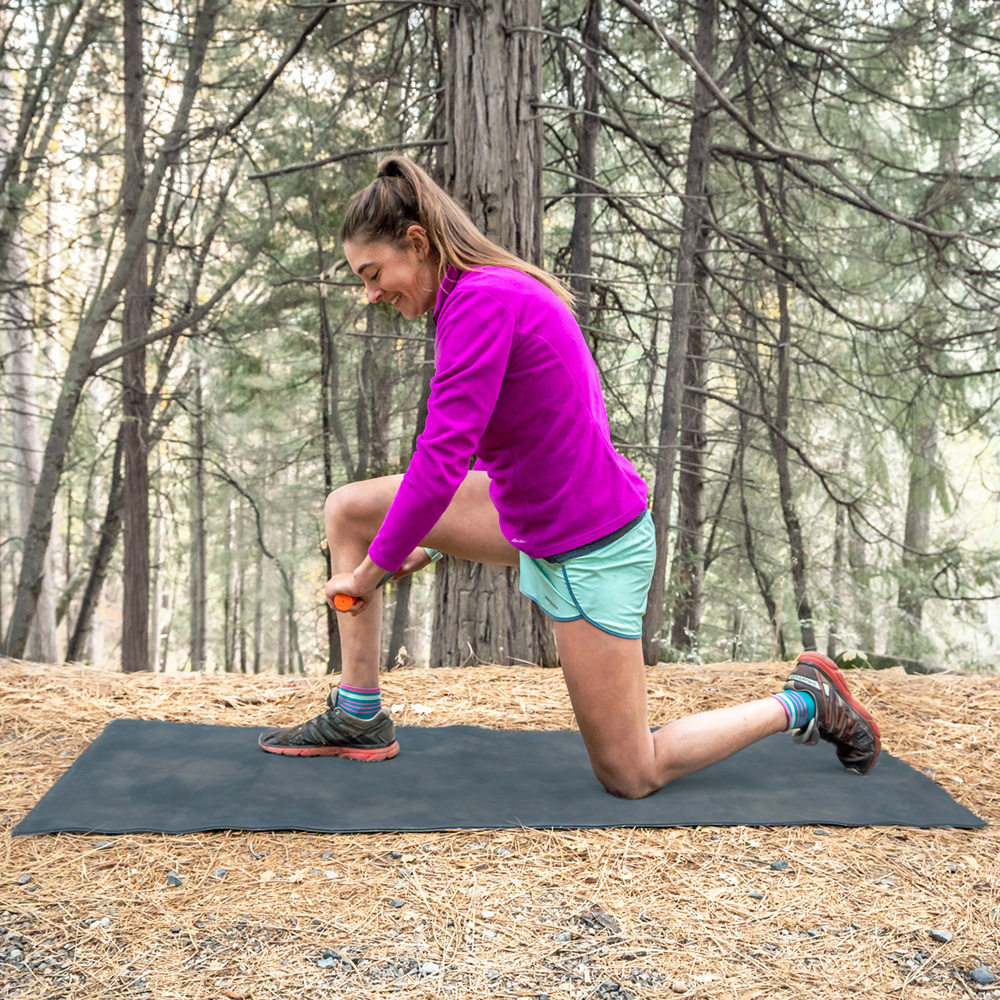
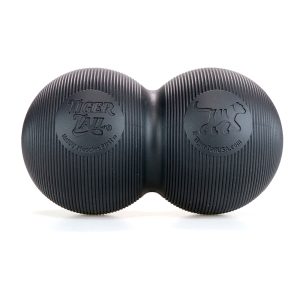
The Tiger Ball® Peanut 4.4 Foam Roller ($29.99) bridges both worlds: its double-ball shape straddles the spine of the tibia or the Achilles tendon, delivering deep tissue pressure to the calf without direct bone contact. It’s the tool to reach for when a knot is too specific for a full-length foam roller to address.
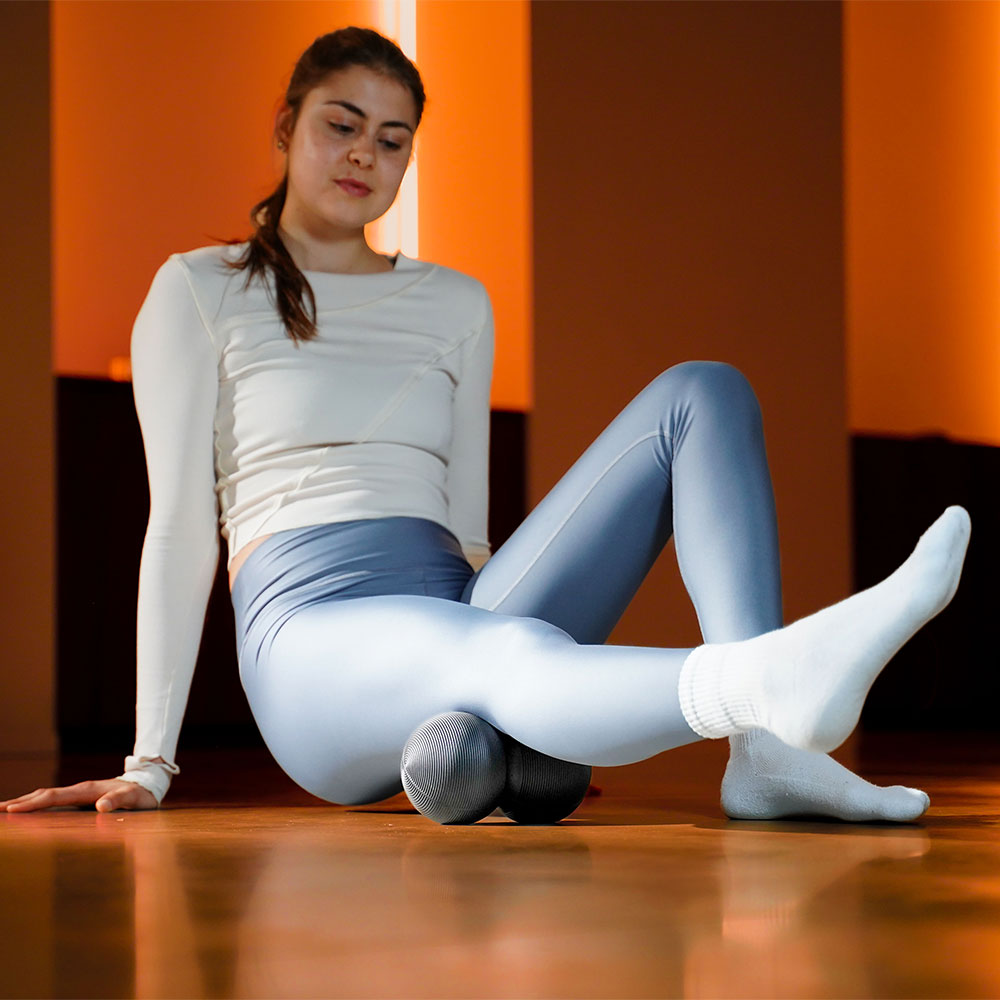
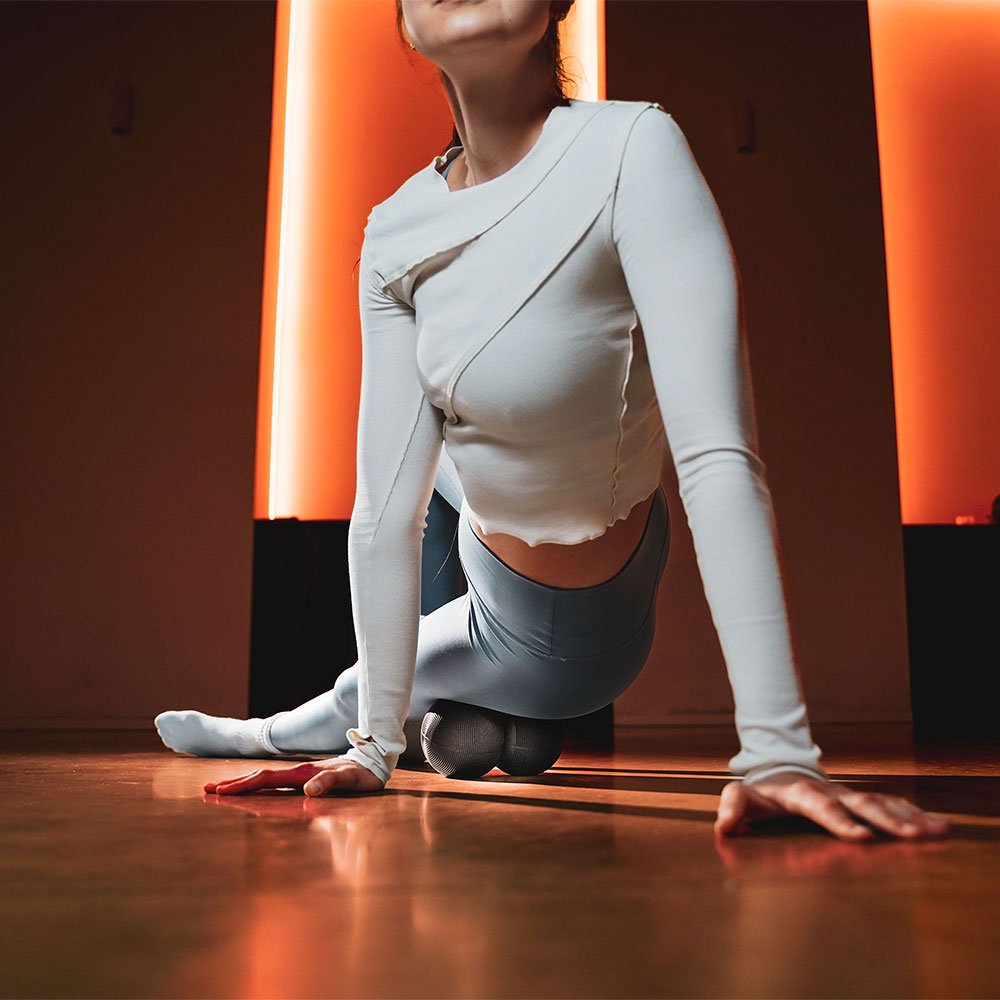
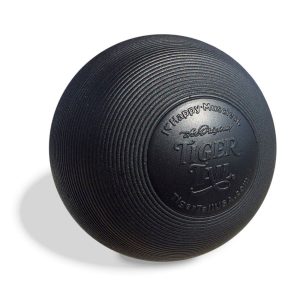
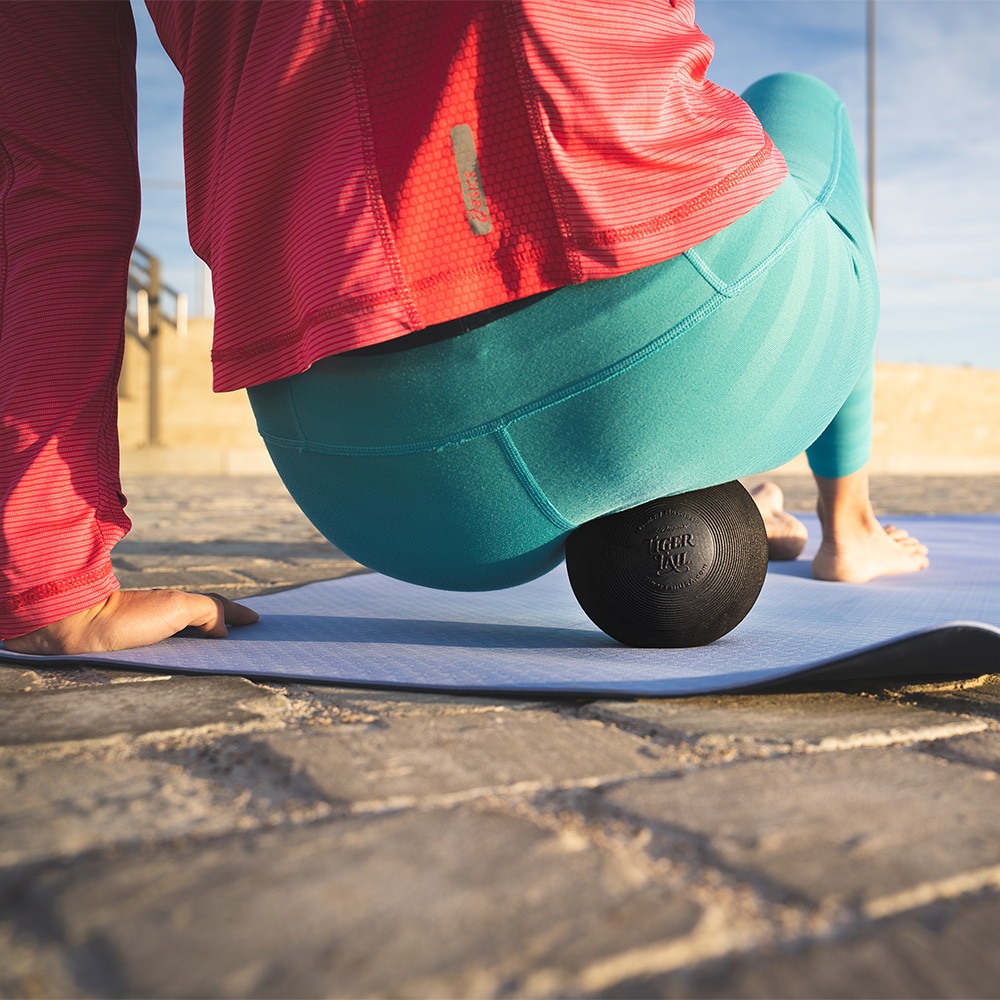
For targeted relief on larger muscle groups like the hips, glutes, and hamstrings, the Tiger Ball® 5.0 Foam Roller Massage Ball ($29.99) provides concentrated deep-tissue pressure. Weighing only 3.2 ounces, its firm 5-inch massage surface won’t flatten under body weight, making it a highly portable option for breaking up stubborn knots against the floor, a chair, or a wall.
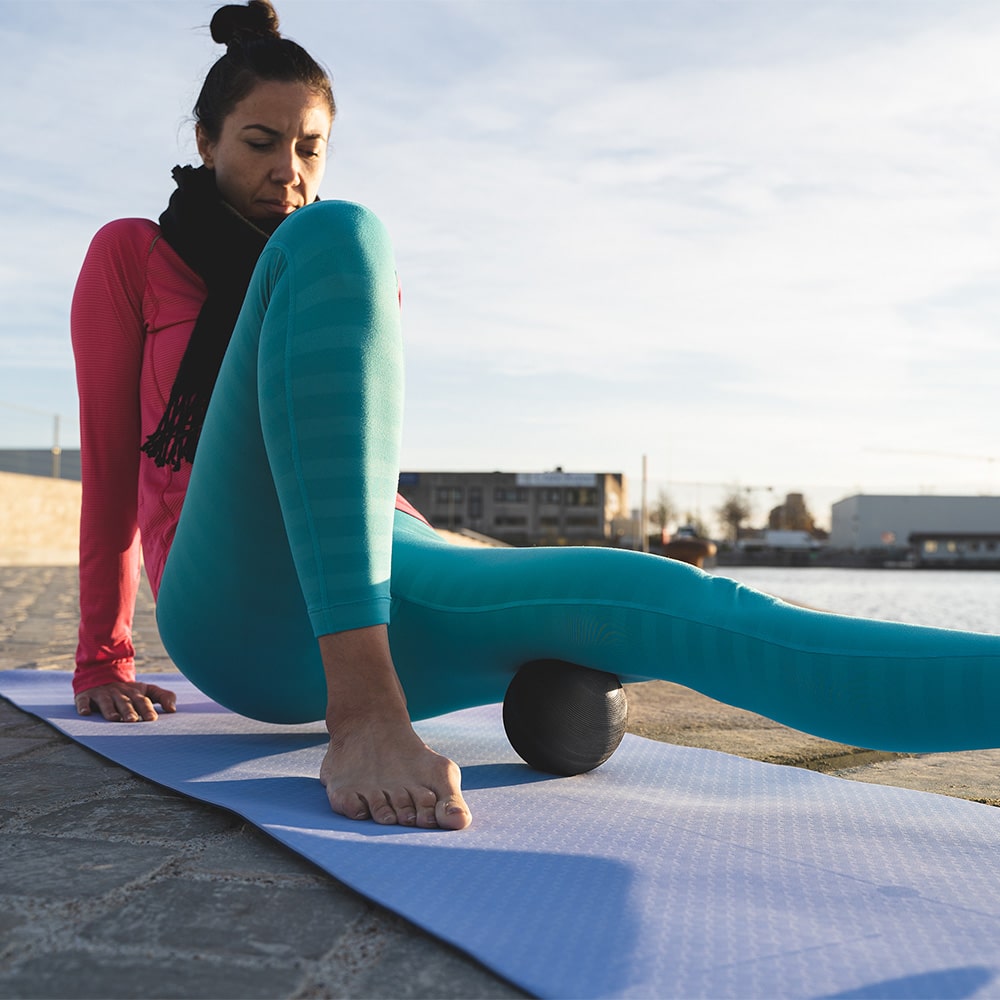
How to Release a Tight Calf with a Leg Roller
- Sit on the floor with your legs extended. Place the Tiger Ball® Peanut 4.4 under your right calf, just below the knee crease.
- Cross your left ankle over your right to add bodyweight pressure.
- Slowly flex and point your right foot 10 times. This creates a shear force that helps break up fascial adhesions.
- Inch the roller toward the Achilles tendon in 1-cm increments, pausing 20–30 seconds anywhere you feel a tender spot.
- Switch sides. Total time: 2–3 minutes per calf.
How to Roll the Quad with a Foam Roller
- Lie face-down and place the Essential One™ 24 foam roller under your right thigh, just above the knee.
- Support yourself on your forearms. Keep your core braced so your lower back stays neutral.
- Slowly roll toward the hip crease over 5–6 seconds. Pause at any dense or tender area for 20–30 seconds.
- Rotate your leg slightly inward to target the lateral quad, then slightly outward for the medial quad.
- Repeat 3–4 passes per leg. Total time: 90 seconds per side.
Common Leg Roller Mistakes to Avoid
- Rolling too fast: Speed bypasses the fascial response. Aim for 1 inch per second or slower.
- Rolling directly on a joint: Avoid the knee and ankle joint lines — roll the muscle belly only.
- Skipping the hamstrings: Quad-dominant athletes often neglect the posterior chain, which leads to imbalanced tension and knee pain.
- Using pain as a goal: Mild discomfort is normal; sharp or radiating pain is a signal to stop and consult a professional.
Consistent, technique-driven use of a leg roller — even just 10 minutes a day — makes a measurable difference in how quickly your legs bounce back between sessions. Start with the calf and quad protocols above, then expand to the hamstrings and IT band as your tolerance builds. For a deeper understanding of the science, the Physiopedia overview of myofascial release is an excellent next read.
Frequently Asked Questions
How long should I use a leg roller after a workout?
Aim for 10–15 minutes post-workout, spending 60–90 seconds on each major muscle group. Pause for 20–30 seconds on any tender spot rather than rolling continuously.
Is a foam roller or a massage stick better for legs?
A long foam roller covers large surfaces like the quads and hamstrings efficiently, while a massage stick or peanut roller gives more targeted pressure on the calf and IT band. Using both gives the most complete coverage.
Can I use a leg roller every day?
Yes — daily light rolling is safe and beneficial for most people. Keep pre-workout sessions to 5 minutes at low pressure, and save deeper, longer sessions for after training or on rest days.
Does rolling really reduce muscle soreness?
Research supports that foam rolling after exercise significantly reduces perceived soreness at 24 and 48 hours post-workout, likely by improving blood flow and temporarily reducing muscle spindle activity.
Where should I avoid rolling on my legs?
Avoid rolling directly over the knee joint, ankle joint, and any area with acute injury, bruising, or swelling. Focus pressure on the muscle belly only.
Medical disclaimer: This article is for general informational and educational purposes only and is not a substitute for professional medical, veterinary, or fitness advice, diagnosis, or treatment. Always consult a qualified professional before starting a new exercise, recovery, or treatment program, or if you have any concerns about a health condition.
Safety disclaimer: Always read and follow the manufacturer’s instructions, warnings, and usage guidelines for any product or equipment mentioned here. Use tools and techniques as directed and within your own ability; start gently, stop if you feel pain or discomfort, and seek professional guidance if you are unsure. Improper or excessive use can result in injury.