
Free Shipping on $50+
Published on 12/16/2025
Finding the right massage roller for your legs can feel overwhelming, but it doesn’t have to be. Whether you’re battling tight calves after a long run or sore thighs from leg day, the right tool makes all the difference. Let’s break down the five best massage sticks specifically designed for rolling your entire legs – calves, hamstrings, and quads—and why they work.
Quick Guide:
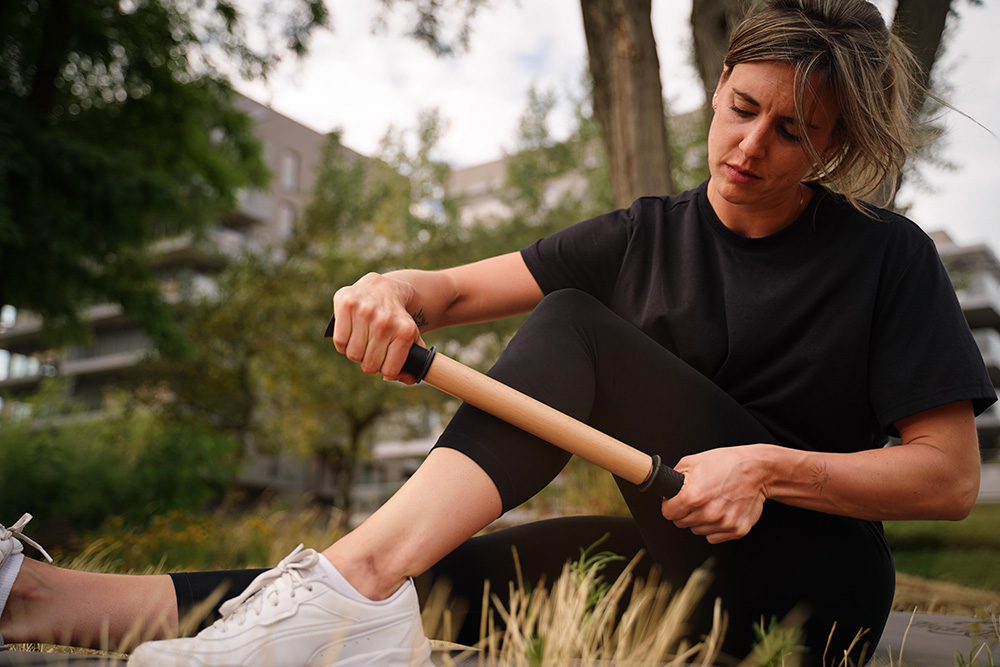
Here’s the thing: massage sticks give you control. Unlike traditional foam rollers, where you’re basically using your body weight against the ground, massage sticks let you stand, sit, or move around while targeting specific muscles. Whether you are on a hike or at the airport, you don’t have to get on the ground—you can roll anywhere! Clinical research backs this up—studies show that self-myofascial release using roller massage tools can increase joint range of motion and reduce muscle soreness without negatively affecting muscle performance. (Cheatham et al., 2015)
The science is pretty straightforward. When you apply pressure with a massage stick, you create mechanical effects that change the viscoelastic properties of your fascia through mechanisms like thixotropy (basically making the tissue less stiff). This also increases local blood flow, reduces arterial stiffness, and improves vascular function. Translation? Your muscles get more oxygen, recover faster, and feel less achy. (Cheatham et al., 2018)
The numbers back this up. Research shows that foam rolling can increase tissue perfusion (blood flow) by up to 9.7% compared to pre-rolling levels, with even short 2-minute sessions improving circulation by 2.8%. (Konrad et al., 2021) More impressively, studies demonstrate that foam rolling substantially reduces muscle soreness—66% of people experience measurable pain relief after rolling, with quadriceps tenderness improving by moderate to large amounts (effect sizes of 0.59 to 0.84) in the days following intense exercise. (MacDonald et al., 2014; Wiewelhove et al., 2019) That’s not placebo—that’s real, measurable recovery.
For calves, you want a roller with a smooth, continuous surface. Here’s why: your calf muscles (the gastrocnemius and soleus) are dense and can handle sustained pressure better than segmented rollers that might feel too aggressive.
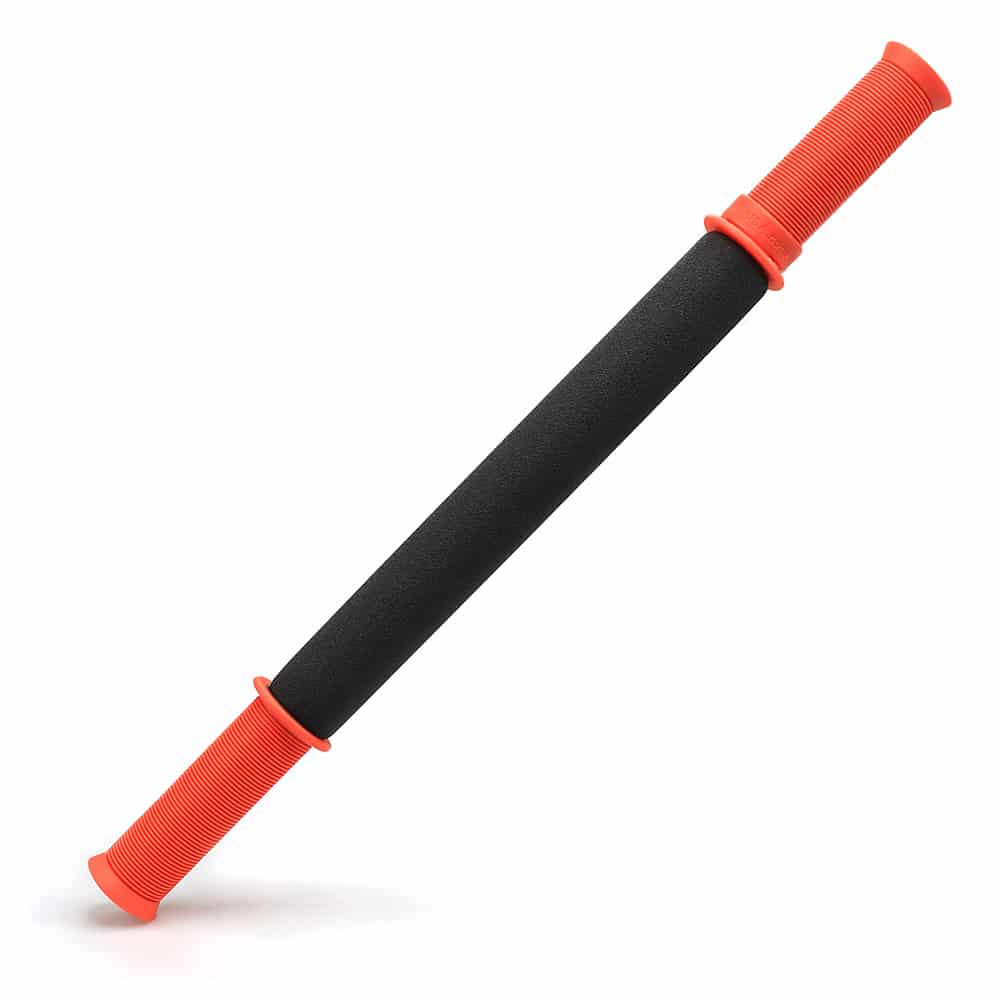
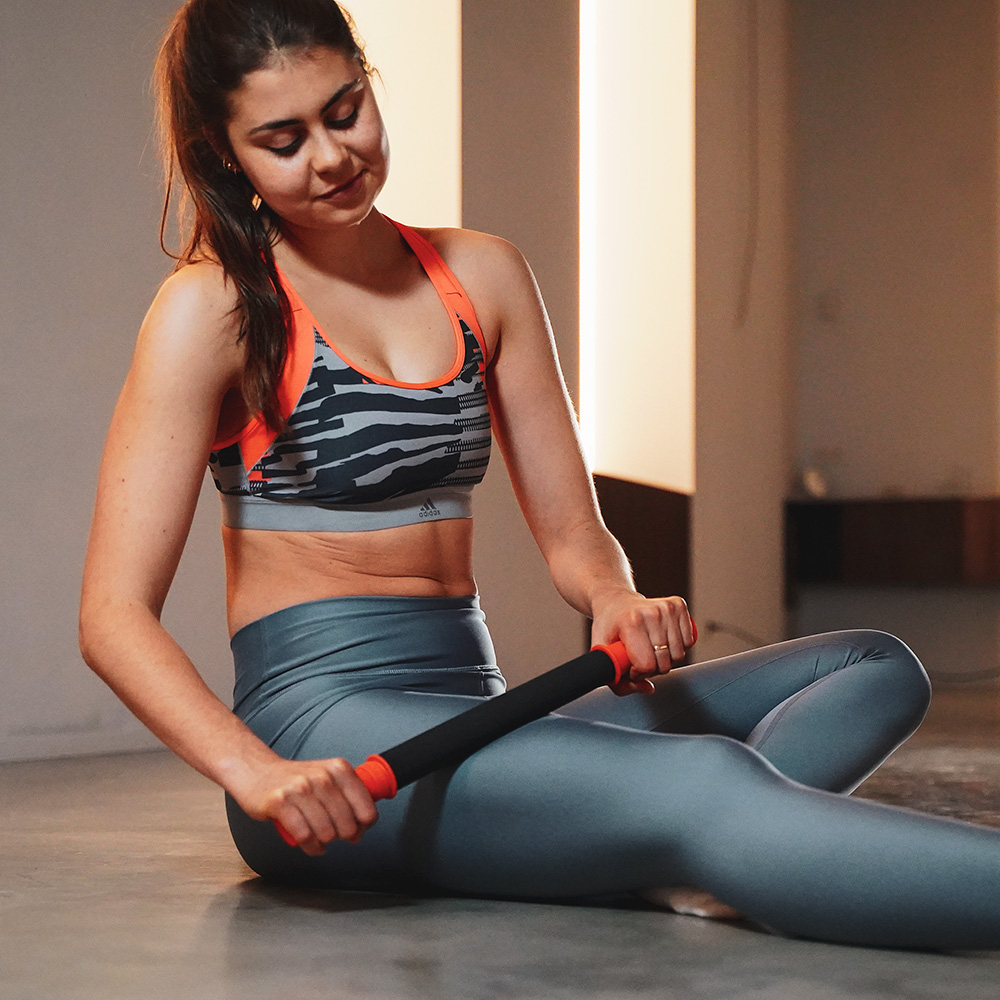
#1 — Tiger Tail Original 18″ Foam Roller Massage Stick ($39.99) is perfect for this. It features a cushioned foam center that is comfortable on bare skin (not cold). The center spins smoothly, and the medical-grade foam is closed-cell and non-porous—meaning it won’t deteriorate like cheaper options. The firm core design won’t bend or break.
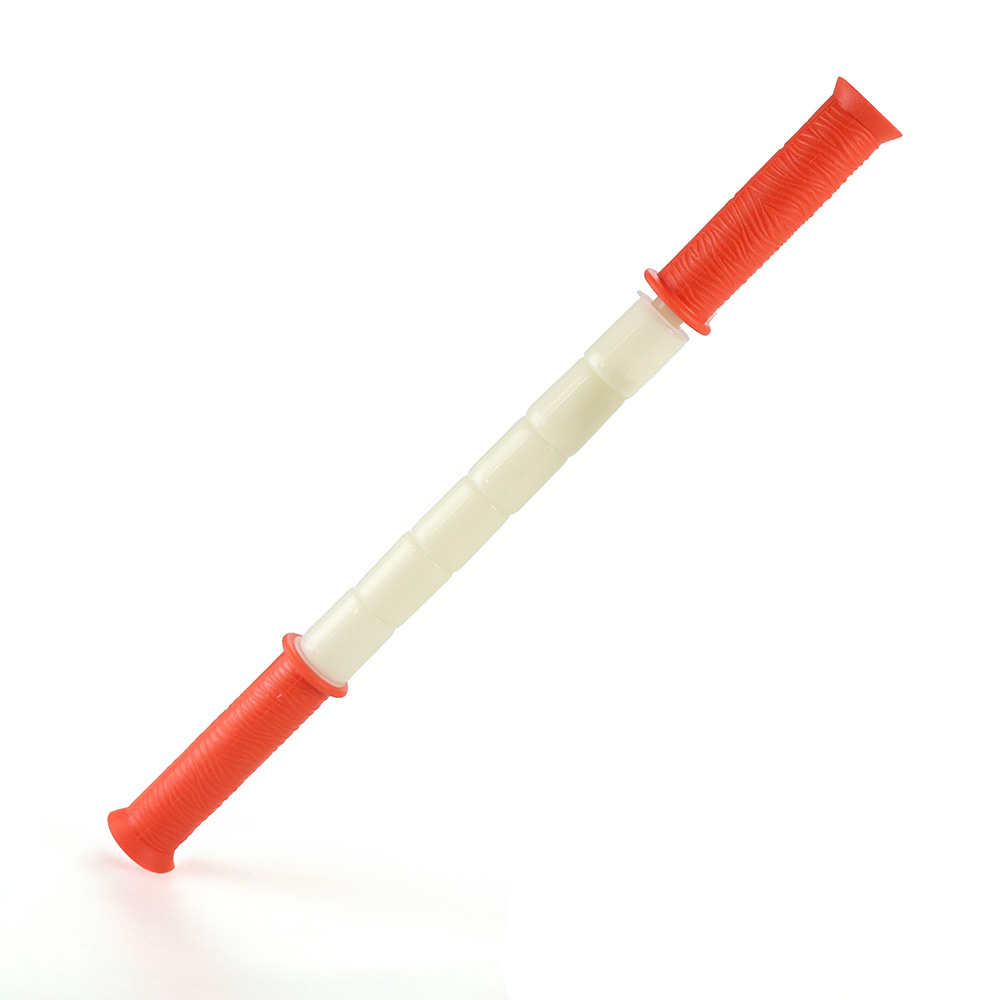
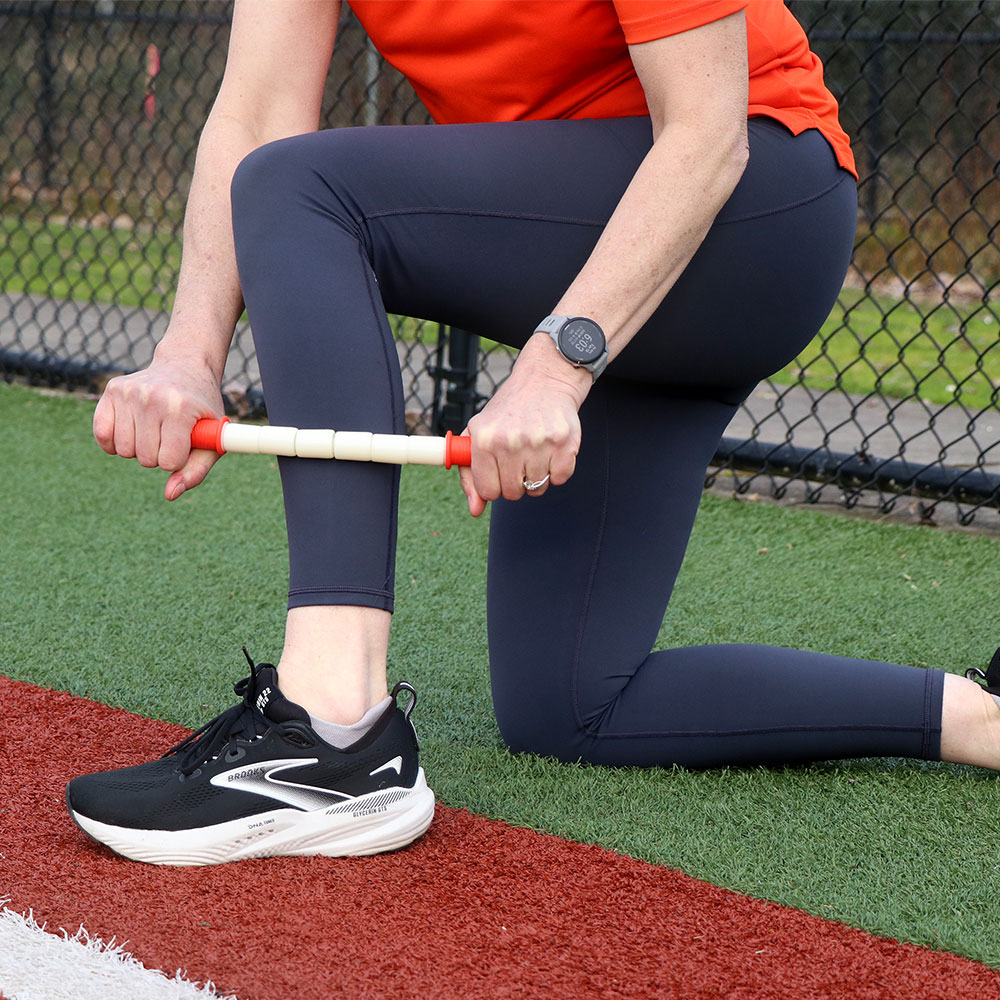
#2 — The Stick-Bendy 15 Flexible Massage Stick ($24.99) is a great option. It features a flexible core with smooth, independently rolling beads. This flex allows the roller to hug the curve of your muscles when applying pressure. It’s a convenient size for calves and may offer a gentler massage when used on injured muscles.
Your quads are the largest muscle group in your body, so they need extra attention. A study published in the Journal of Athletic Training found that 20 minutes of foam rolling post-exercise substantially improved quadriceps muscle tenderness and reduced decrements in sprint speed, power, and strength.
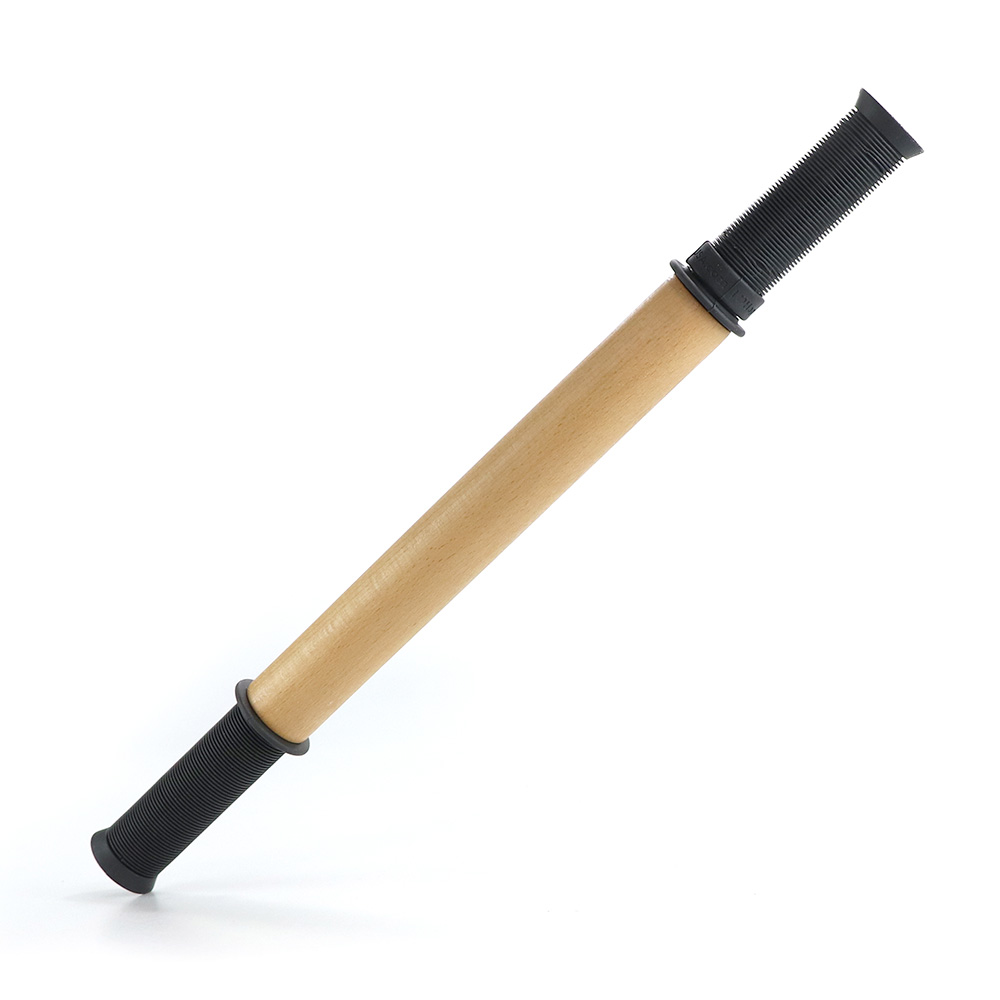
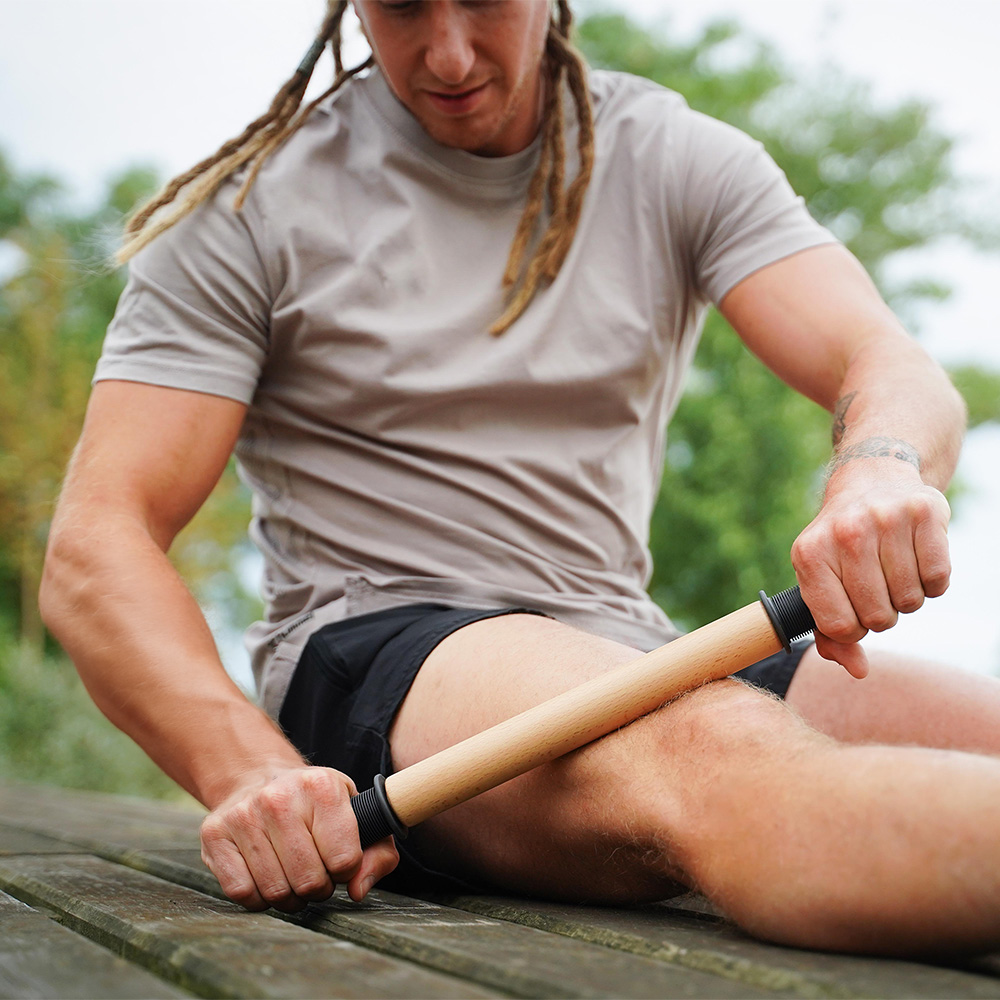
#3 — Tiger Tail ReGreen Original 18″ Wood Roller Massage Stick ($29.99) is an eco-friendly option made from sustainable wood with a firm, durable design. It’s especially effective for thighs because the firmness allows you to apply therapeutic pressure without the roller giving way.
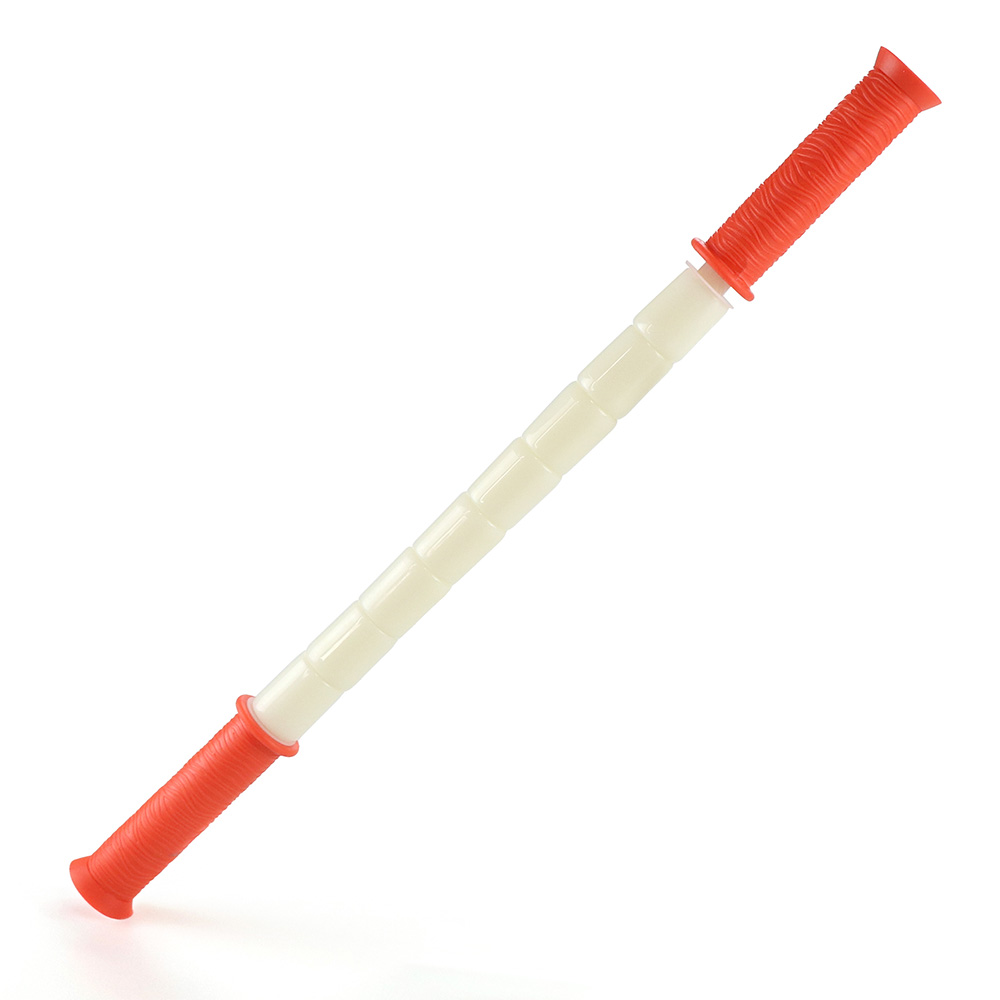
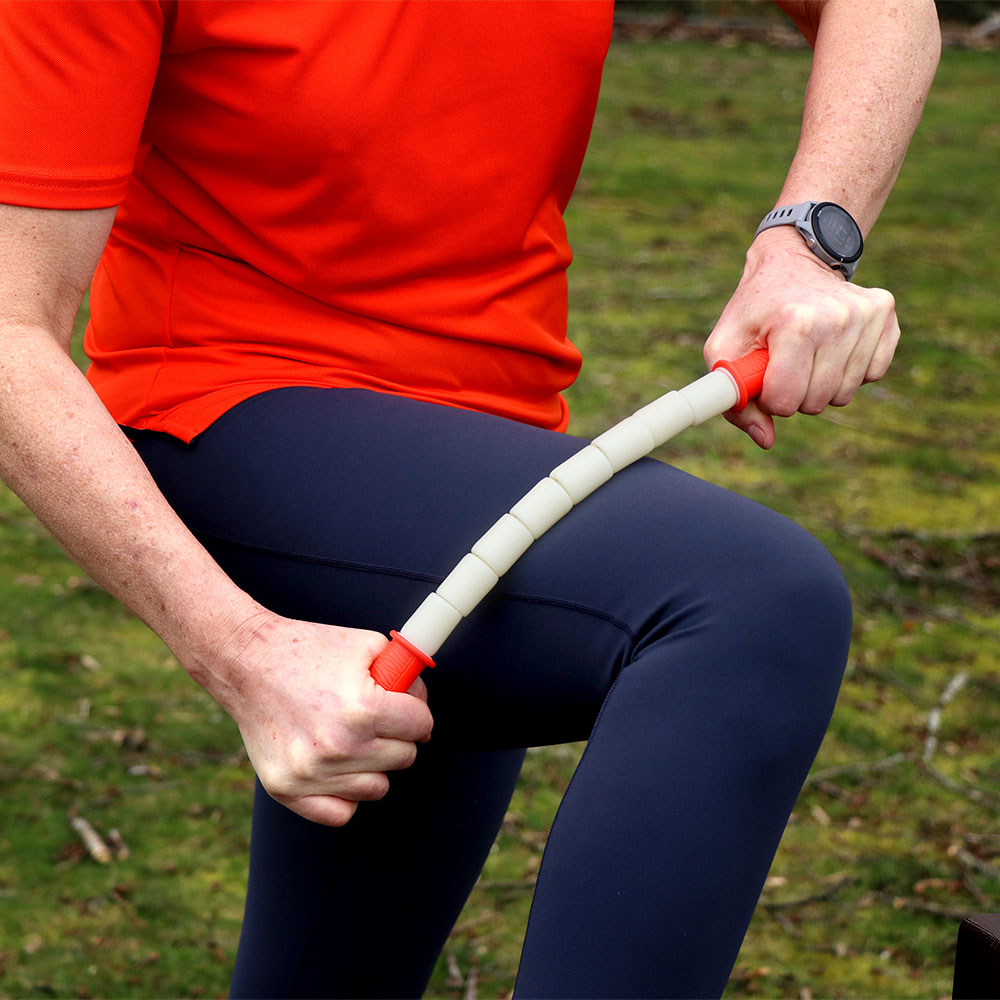
#4 — The Stick-Bendy 18 Flexible Massage Roller ($29.99) is a versatile massage roller with a flexible core that hugs your muscles’ curves. It flexes with pressure and can allow a gentler massage on injured muscle areas. It has smooth, independently spinning beads and is the perfect size for thighs.
Hamstrings respond well to both smooth foam and textured rollers, depending on your pain tolerance and how tight you are. Research shows that foam rolling for just 2 minutes can significantly improve muscle tenderness and dynamic performance measures. (Pearcey et al., 2015)
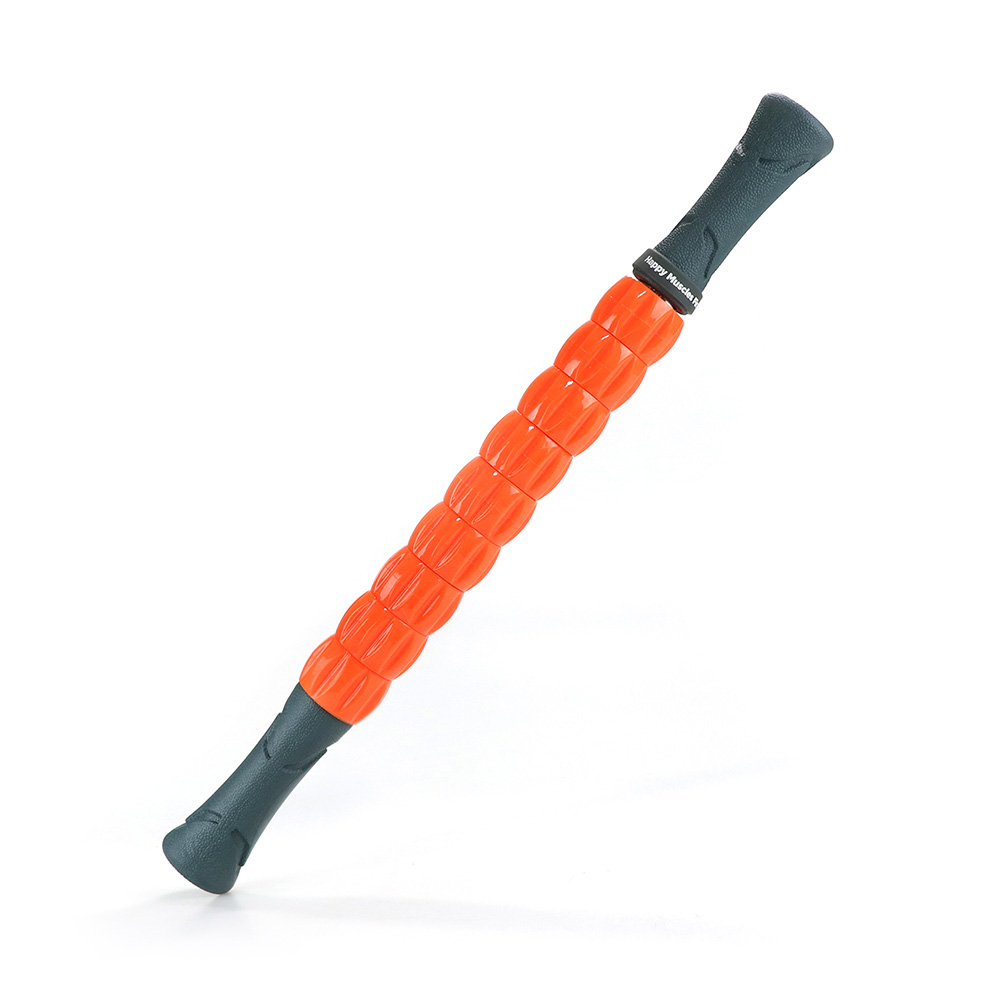
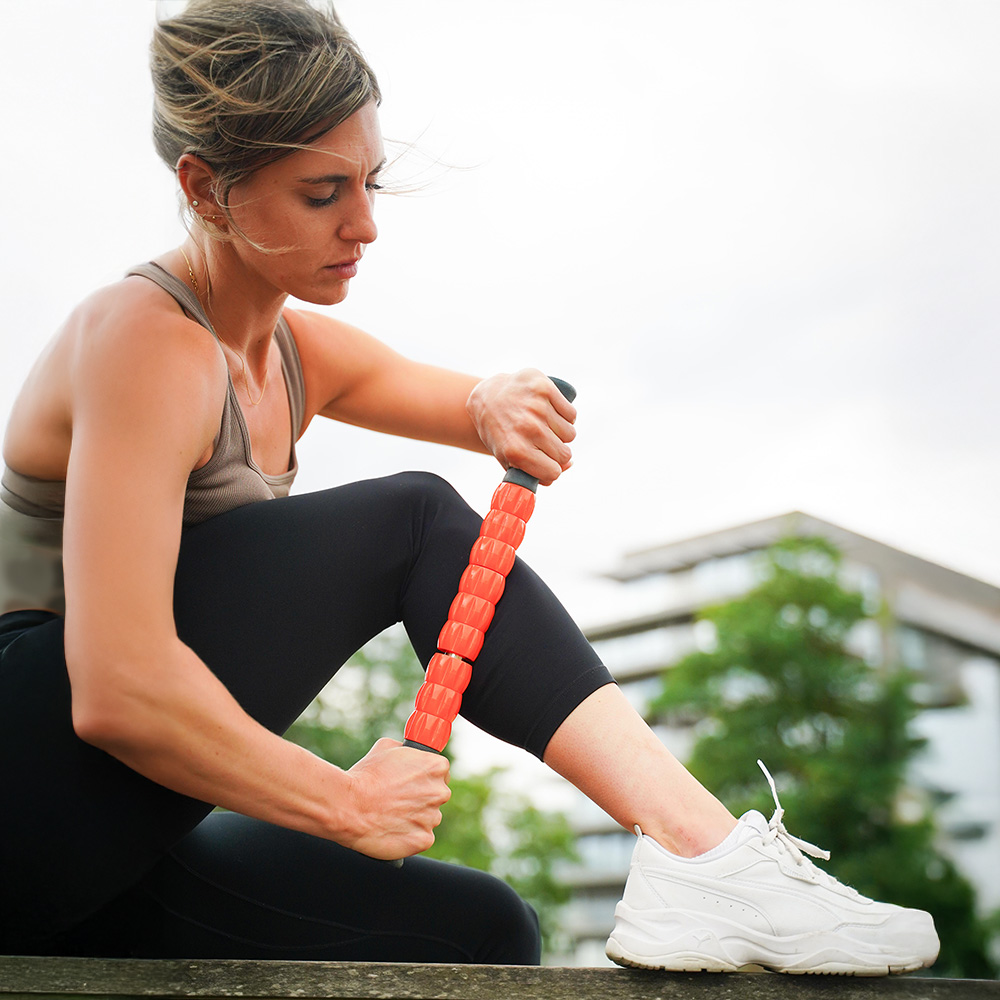
#5 — Tiger Tail Spinnie Roller Massage Stick ($24.99) is slightly textured with a steel core. Its firm, durable design makes it especially effective for hamstrings because the firmness allows you to apply therapeutic pressure for deep, targeted massage.
While the tools above cover most needs, here is a professional-grade option for those seeking advanced myofascial release.
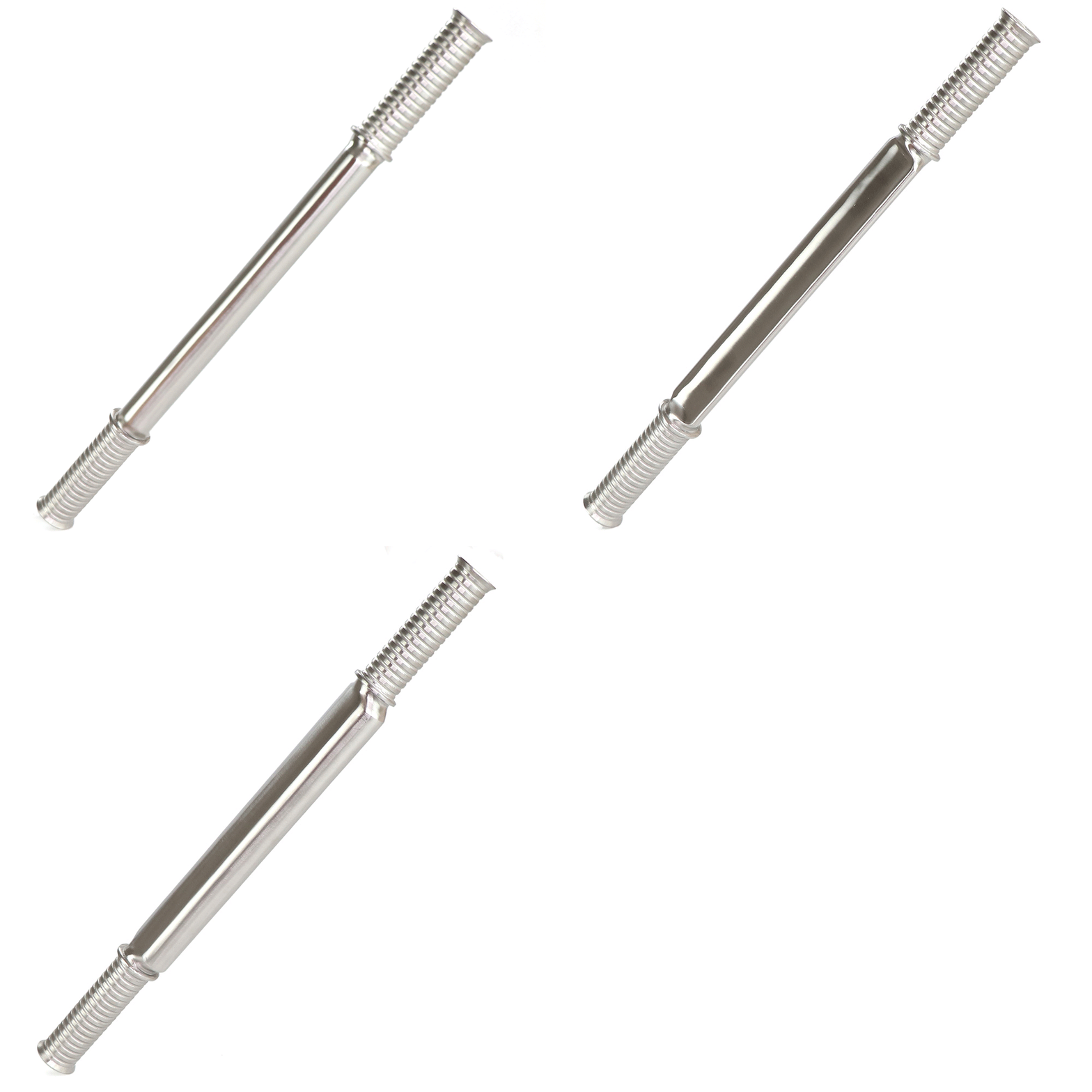
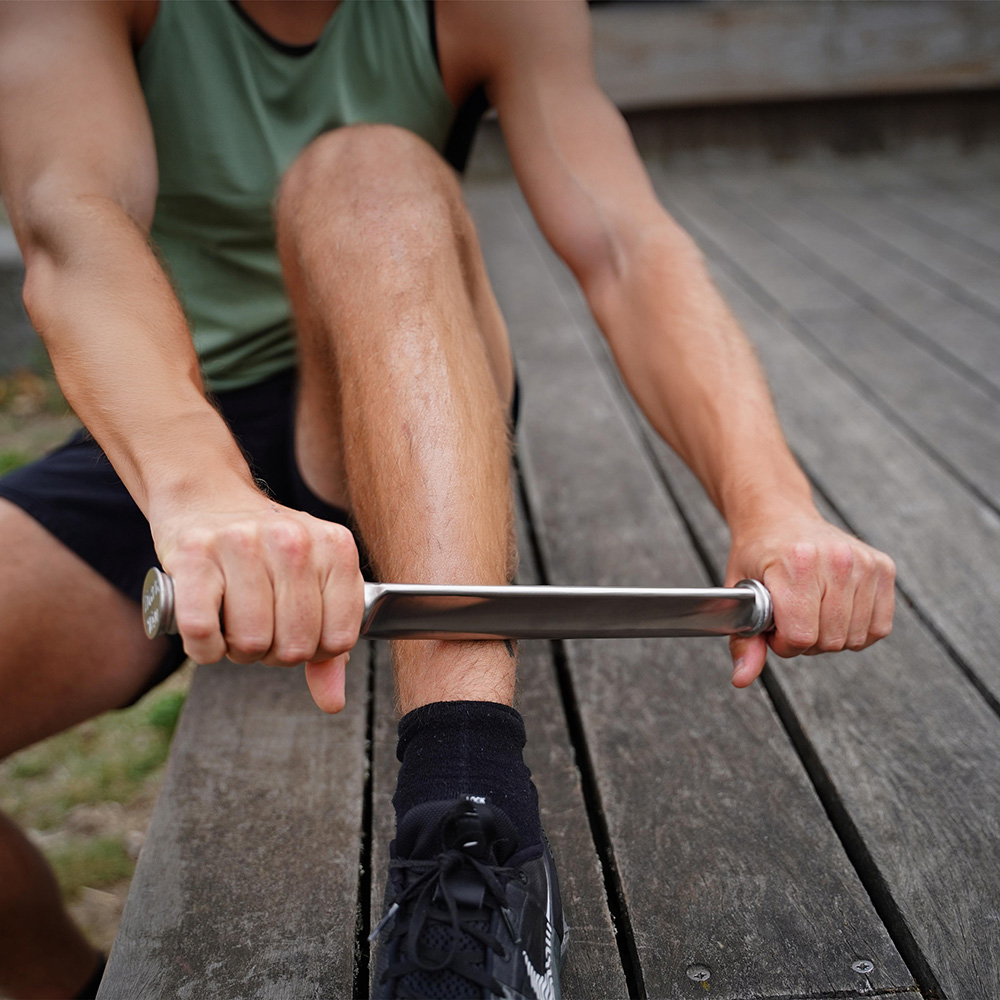
Bonus Professional Option — Tiger Blade I-ASTM Therapy Tool ($399.00) is not a “roller”; there are no spinning parts, but its function and effectiveness are next-level. It is the all-around roller for all muscle areas. It is 100% medical-grade stainless steel and has three distinct blade surfaces. The Tiger Blade is a professional “Instrument-Assisted Soft Tissue Mobilization” tool. It is designed for all muscle areas and applications, whether you’re applying gentle pressure with the “Curve” surface or you’re going in for deep tissue myofascial release with the “Fin”, it will do the trick.
Rolling TIP: If you’re recovering from a muscle injury, do not roll directly over the injured area. This may exacerbate the pain in that area and cause increased inflammation and pain. Instead, roll the connecting muscles. Work several surrounding muscles and slowly make your way closer to the injured area or muscle knot.
Consistency beats intensity. A systematic review published in the International Journal of Sports Physical Therapy found that rolling 2-3 times per week over several weeks showed positive results. But honestly? If you’re training hard, or are experiencing muscle tightness and soreness, rolling 4-5 times per week—or even daily—is perfectly safe and beneficial. (Cheatham et al, 2015)
Best times to roll:
The key is that rolling works best as part of a comprehensive warm-up and recovery strategy. Think of it like brushing your teeth—one session won’t change your life, but consistent practice over time makes a huge difference.
Choosing the right massage stick for your legs comes down to your personal needs and preferences. Every Tiger Tail massage stick mentioned here is designed to work across all major muscle groups and deliver effective therapeutic pressure for myofascial release. For best results, make rolling a consistent part of your routine—before workouts to prime your muscles, after to aid recovery, and on rest days to maintain tissue health. Regular rolling helps keep your muscles healthy and happy!
For more information on our awesome tools and programming:
Website: www.tigertailusa.com
Email: wellness@tigertailusa.com
Disclaimer: This information is for general knowledge and informational purposes only and does not constitute medical advice. Consult a healthcare professional before starting any new exercise program.

Spring Faussett is an American entrepreneur and inventor who founded Tiger Tail USA in 2006 with just $250, building the first 20,000 iconic orange and black massage sticks in her garage. A former Division I soccer player at Washington State University, her personal recovery journey inspired a passion for solving pain problems, resulting in over 15 patents in muscle recovery innovation. Faussett is an award-winning author of Happy Muscles®—Fast: a Self-Help Guide to Un-Knot Your Pain and holds a B.A. in Business and Communications from Washington State University, plus business certificates from Harvard and the University of Washington.