Pain in the Sole: Why Plantar Fasciitis Won’t Go Away and How to Finally Fix It
Quick answer: Plantar fasciitis is an overuse injury caused by micro-tears and degeneration in the thick band of tissue supporting your arch. Stretching the foot alone rarely fixes it because the surrounding calf muscles and fascia remain locked in a tight, protective contraction. Sustained myofascial release using a tool like the Tiger Tail Foot Roller or a targeted massage stick, combined with intrinsic foot strengthening and cold therapy, breaks the cycle of tension, restores blood flow, and accelerates healing.
Sharp, stabbing pain in your heel with your first steps in the morning is one of the most frustrating orthopedic complaints. It affects runners, service members, retail workers, and anyone who spends long hours standing—yet it is also one of the most misunderstood injuries.
Many people assume a sore foot just needs rest, only to find the pain returning the moment they resume normal activity. This article digs into why plantar fasciitis refuses to heal on its own and gives you a clear, evidence-based plan to finally get rid of it.
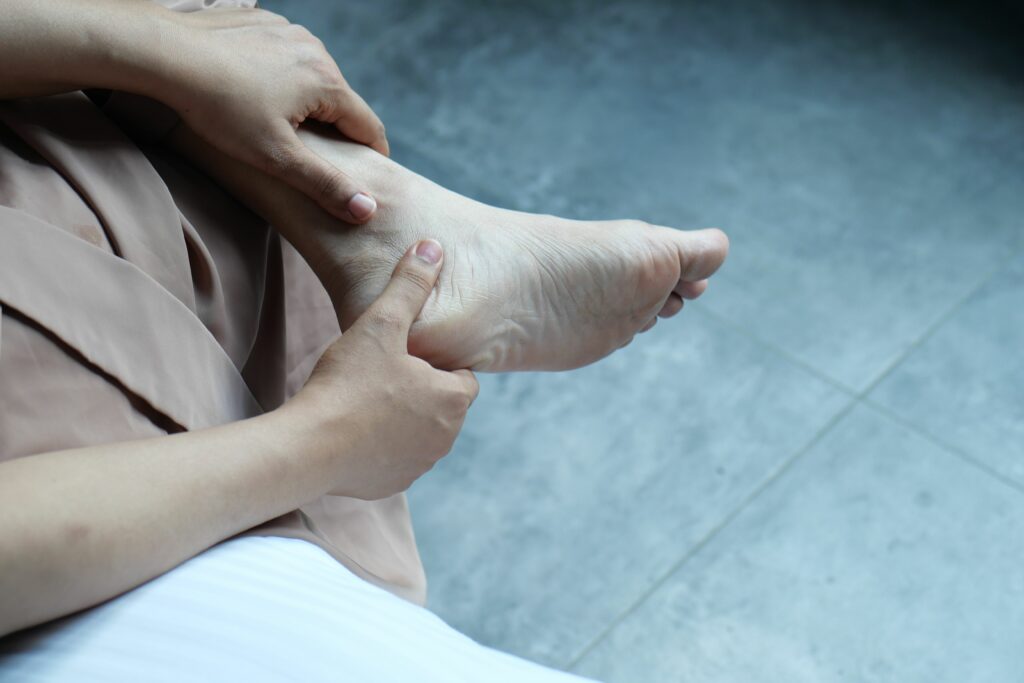
What Is Plantar Fasciitis?
The plantar fascia is a thick, resilient band of connective tissue (fascia) that runs along the bottom of your foot, connecting your heel bone to your toes. It acts as a shock absorber and supports the natural arch of your foot when you walk, run, or jump.
When subjected to repetitive stress, excessive loading, or poor biomechanics, this tissue develops microscopic tears. While it was historically treated purely as an inflammatory condition (itis), medical research published in the Journal of the American Podiatric Medical Association confirms that chronic cases are actually a form of plantar fasciosis—a degenerative breakdown of the tissue characterized by poor blood flow and disorganized collagen fibers without active inflammatory cells.
Why Plantar Fasciitis Lingers: The Kinetic Chain Trap
Most people try to stretch the bottom of their foot or take over-the-counter anti-inflammatories, wondering why the relief is only temporary. The problem is that the foot doesn’t work in isolation. The plantar fascia is structurally continuous with the Achilles tendon and the calf muscles (the gastrocnemius and soleus).
When your calves are tight, they pull upward on the heel bone, placing the plantar fascia under constant, high-tension strain even before your foot hits the ground.
Several key factors keep plantar fasciitis locked in place:
Tight Posterior Chain: Clinical studies documented by PainScience show that up to 80% of patients with plantar fasciitis have isolated gastrocnemius (calf) tightness, directly limiting ankle dorsiflexion.
Prolonged Static Loading: Standing on hard surfaces for hours shifts excessive mechanical load onto the passive structures of the arch.
Poor Intrinsic Foot Strength: When the small stabilizing muscles inside your foot are weak, the plantar fascia is forced to work overtime to keep the arch from collapsing.
Inadequate Local Circulation: Connective tissue naturally has a limited blood supply compared to muscle. Without targeted mechanical stimulation to clear out cellular debris and bring fresh, oxygenated blood to the area, tissue remodeling stalls.
Myofascial Release: The Right Approach for Foot Pain
To break the cycle of chronic tension, you must address both the plantar fascia itself and the tight calf muscles feeding the problem. Myofascial release—a targeted pressure technique—softens tissue restrictions, breaks up micro-scarring, and promotes local circulation.
The Journal of Orthopaedic & Sports Physical Therapy (JOSPT) Clinical Practice Guidelines strongly support manual therapy and soft tissue release directed at the lower extremity to address flexibility restrictions, decrease pain, and improve foot function. The key to success is precision, depth, and daily consistency.
The Best Tools for Foot Trigger Points and Tight Fascia
Reaching the deep muscle fibers of the calf or applying consistent pressure to the arch can be physically tiring if you only use your hands. Purpose-built myofascial tools maximize efficiency:
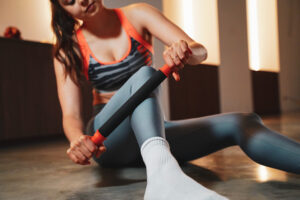
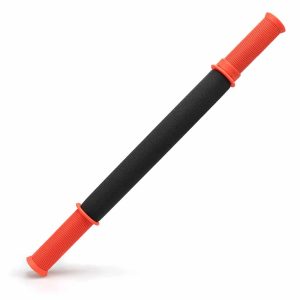
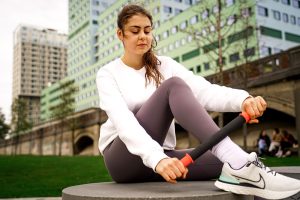
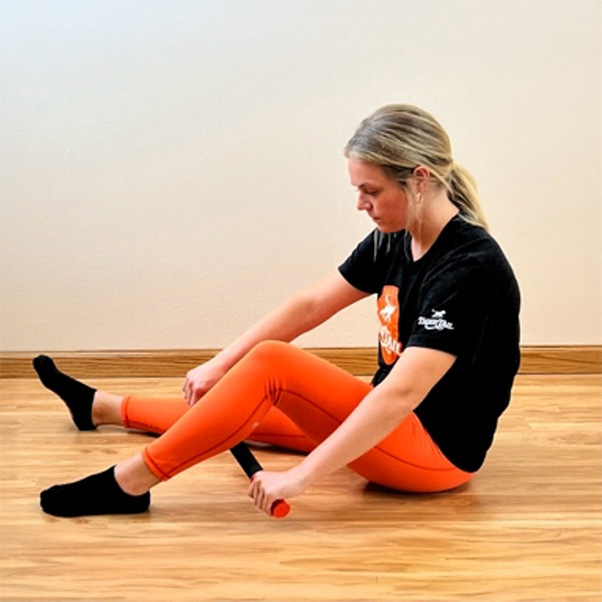
- The Tiger Tail® Foam Roller Massage Stick: Ideal for sitting down and rolling out the gastrocnemius and soleus muscles on the back of the calf. It lets you apply controlled, deep compression to the calves without straining your wrists.
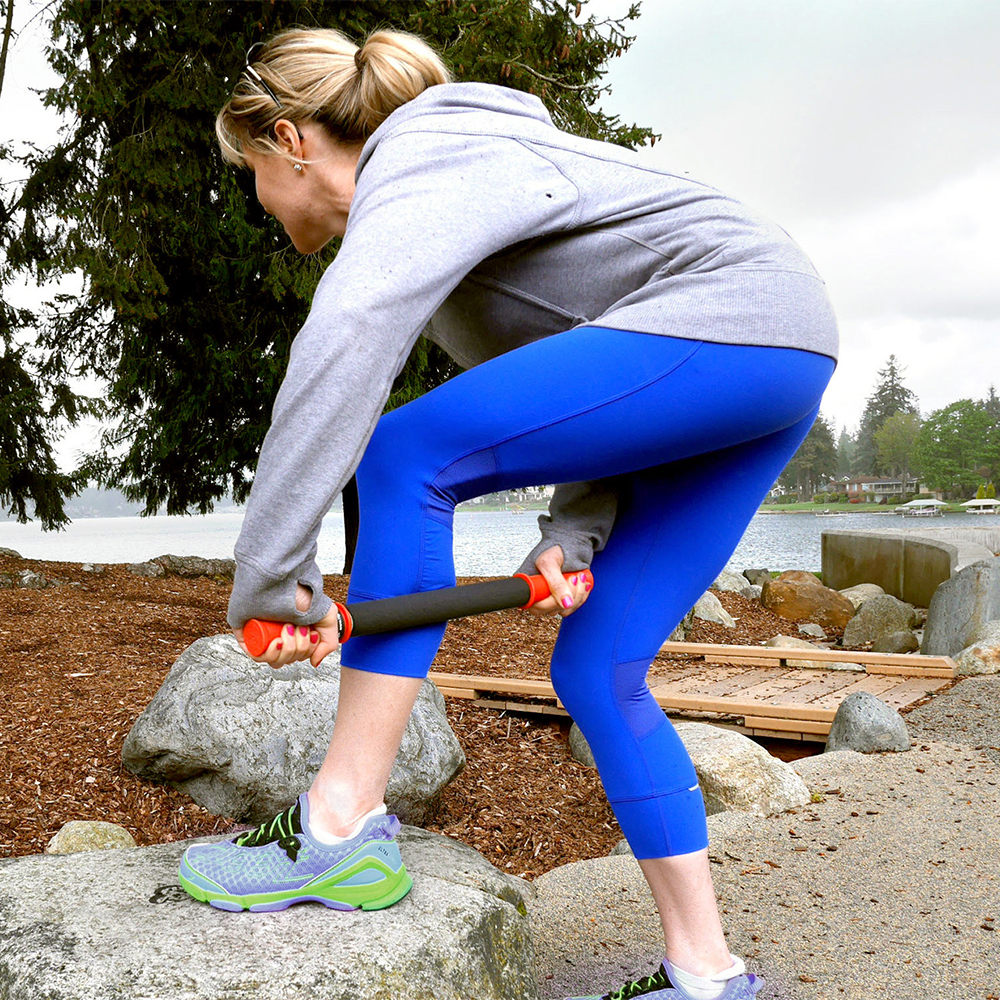
- Dense Massage Ball: Excellent for pinning down specific, high-intensity trigger points along the medial arch and heel margin. A firm massage ball allows for deep, localized pressure directly into tight fascia knots.
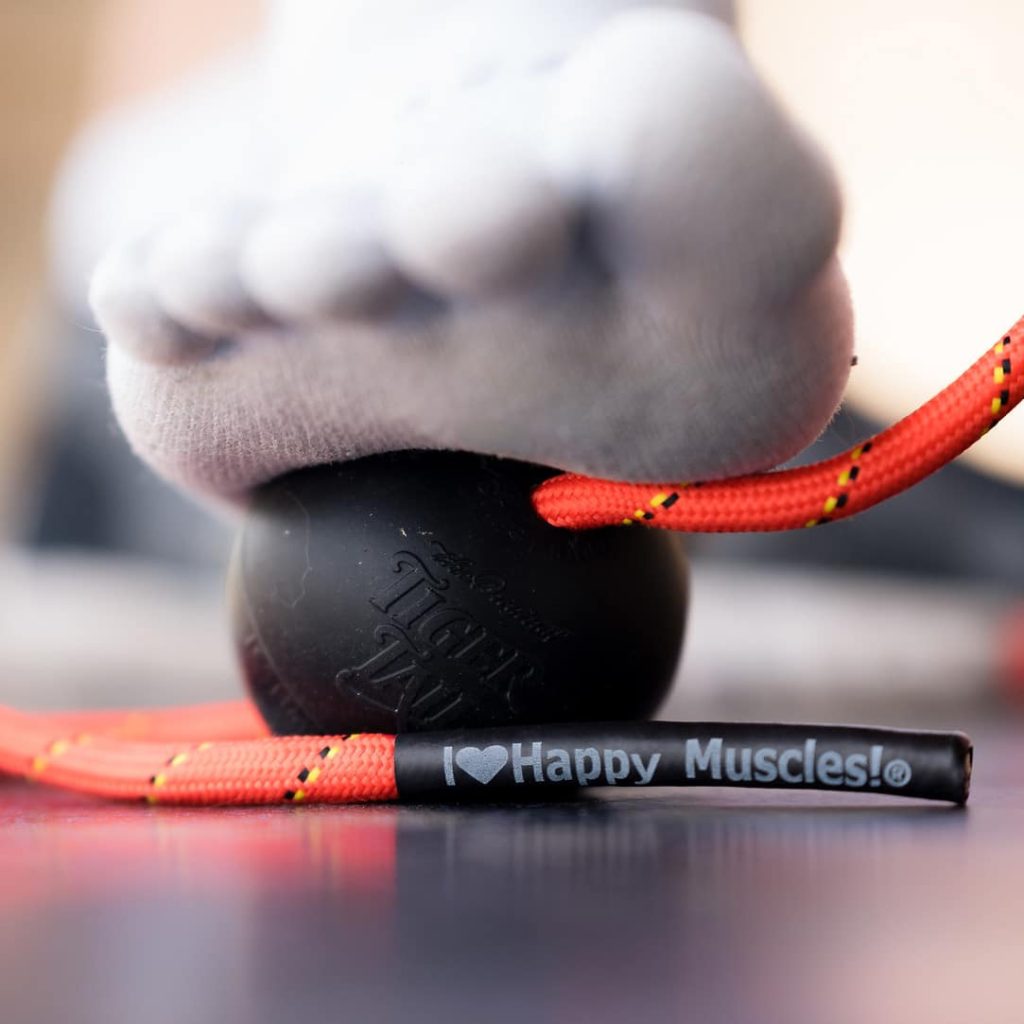
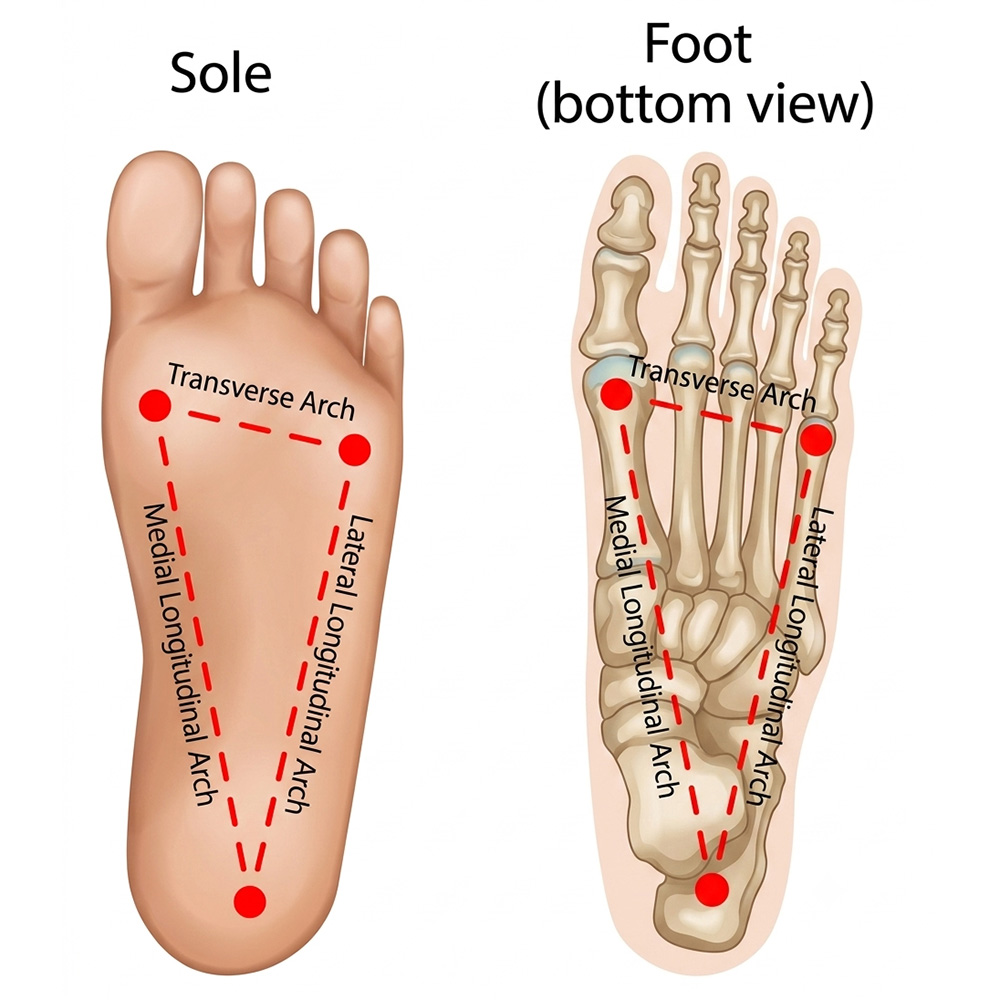
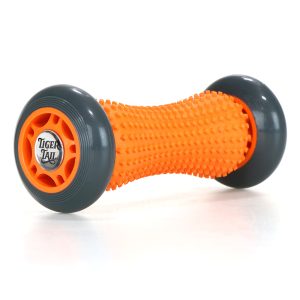
- Targeted Foot Roller: Designed to contour naturally to the arch of the foot, providing smooth, continuous roll-outs to stimulate blood flow, lengthen the plantar fascia, and relieve broad tension across the sole.
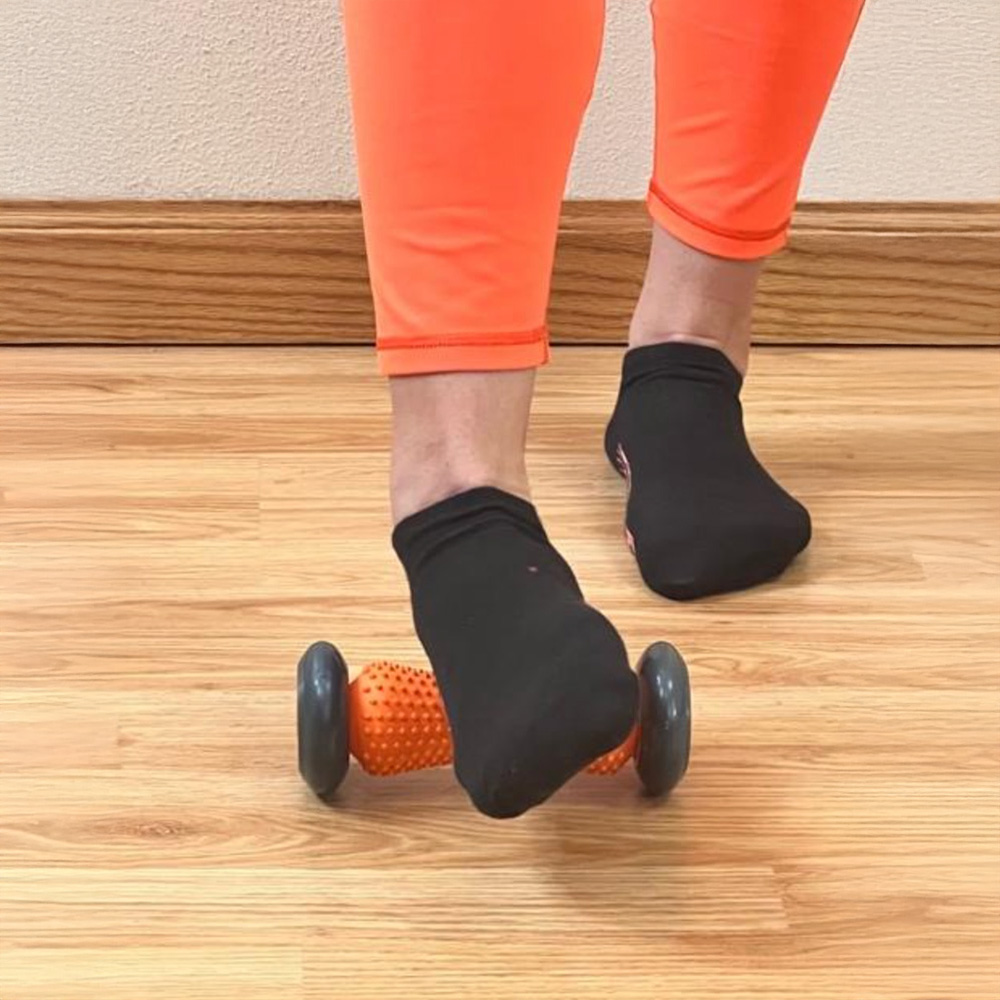
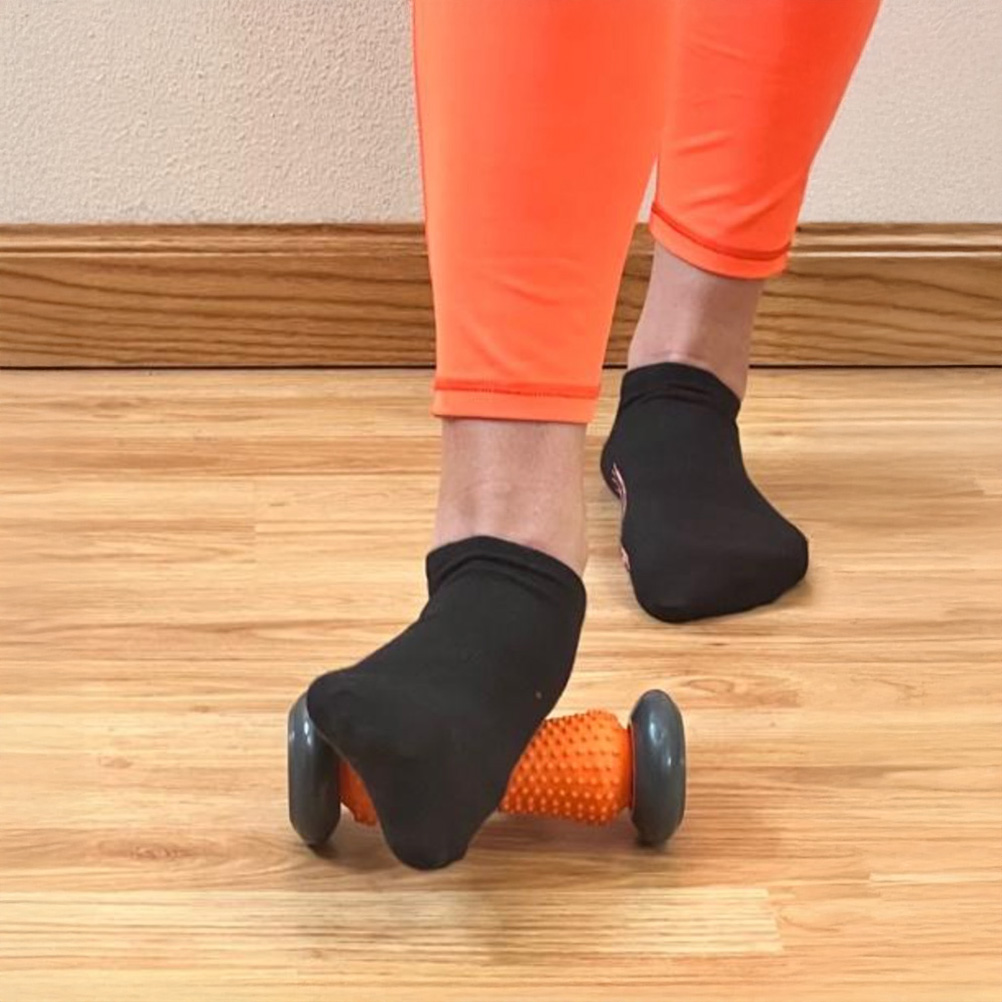
How to Release Plantar Fasciitis with Myofascial Tools
Follow this step-by-step routine once or twice a day to restore tissue mobility:
Roll the Calves First: Sit with your legs extended. Take your Tiger Tail Muscle Roller Stick and roll firmly from the base of your ankle up to the back of your knee. Spend 1–2 minutes per leg, pausing for 30 seconds on any highly tender spots (trigger points).
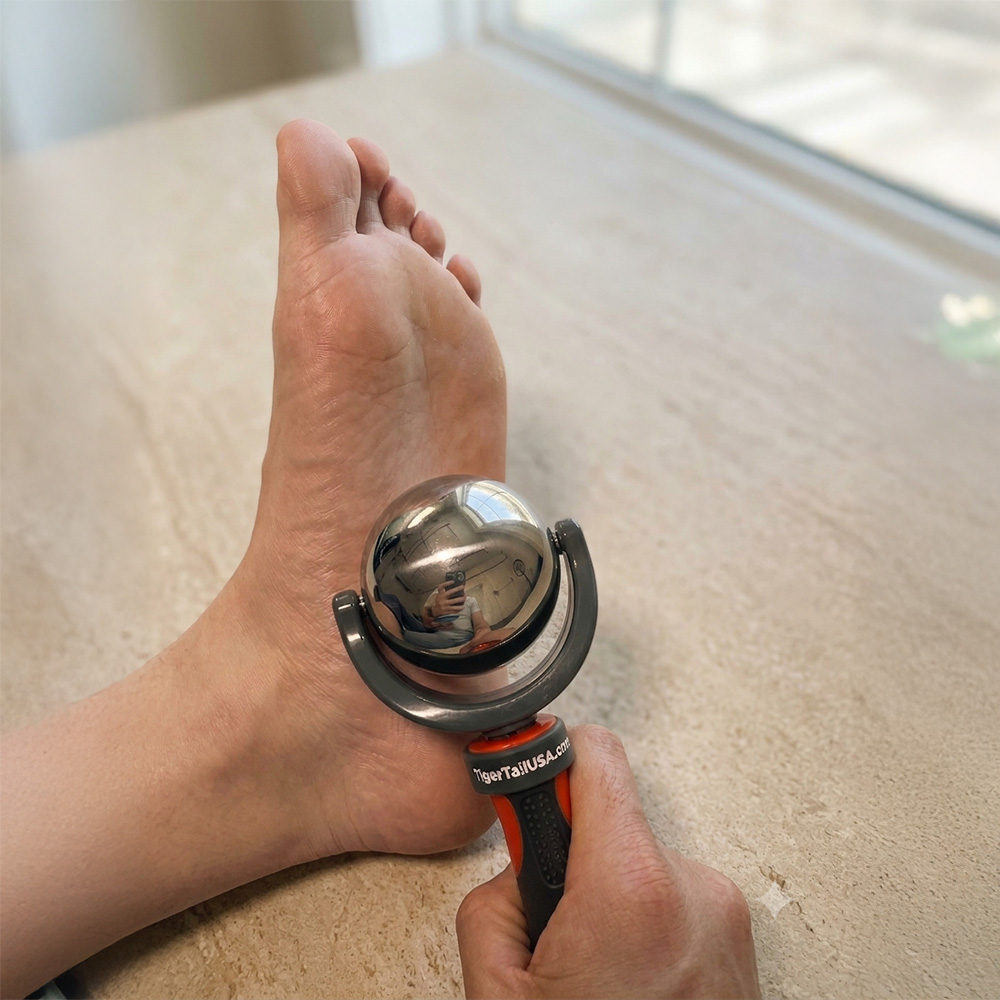
Target the Arch: Place a dense massage ball or foot roller under the arch of your foot. Sit or stand to control the weight. Roll slowly from the front of the heel bone to the ball of the foot.
Apply Ischemic Compression: When you find a particularly intense, tender spot along the inner arch, stop moving. Apply firm, steady pressure—a “good hurt,” not a sharp, blinding pain. Hold for 30–60 seconds while taking slow, deep diaphragmatic breaths until the tension begins to melt away.
Finish with a Controlled Stretch: After releasing the tissue, perform a gastrocnemius stretch against a wall, keeping your back heel flat on the floor, followed by a toe-flexion stretch to gently lengthen the newly mobilized plantar fascia.
Cold Therapy to Manage Inflammation
While chronic plantar fasciitis involves tissue degeneration, acute flare-ups—especially after a long day on your feet—still involve local tissue irritation.
Applying cold therapy right after a rolling session constricts local blood vessels, which helps manage localized discomfort and numbs the throbbing ache. A classic, highly effective technique is freezing a plastic water bottle and rolling the arch of your foot over it for 10 minutes.
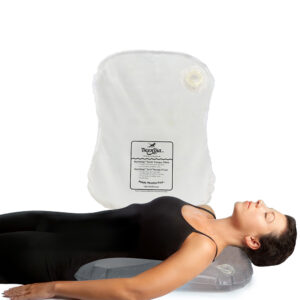
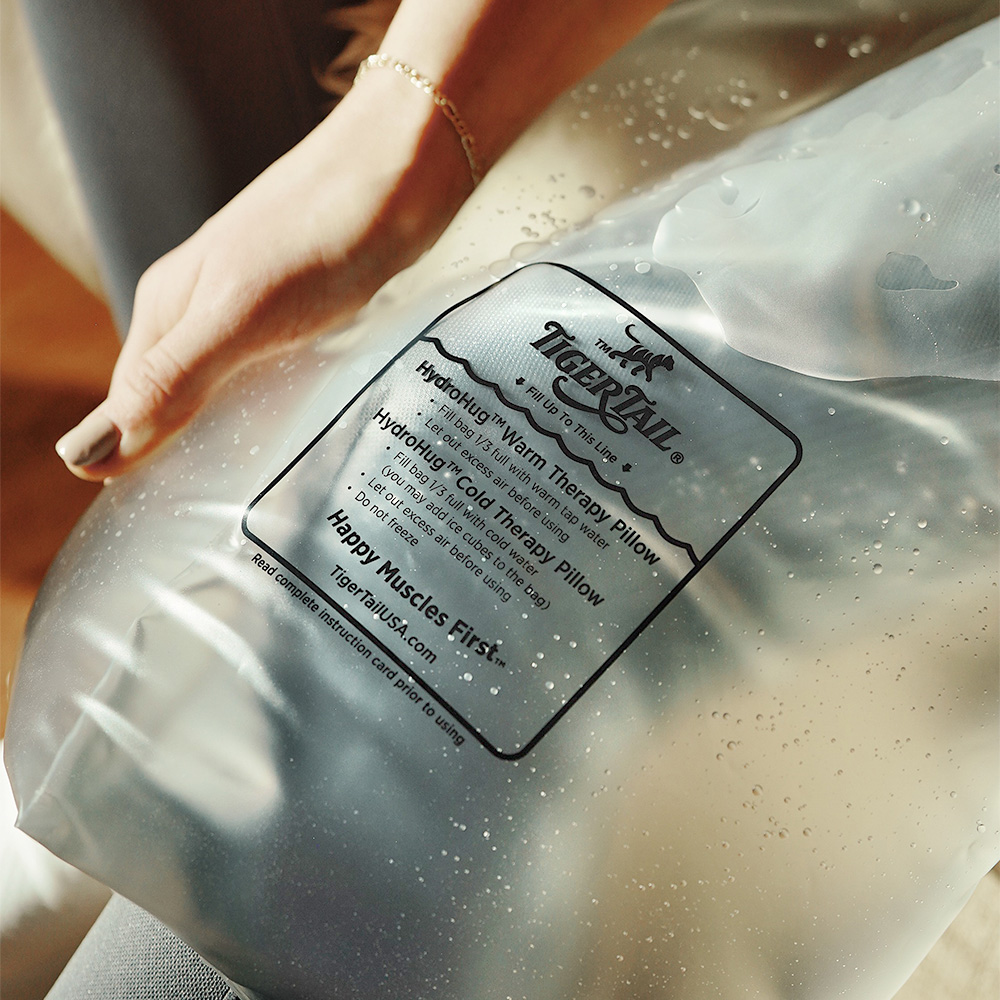
- Hydro Hug Cold Water Therapy Pillow
- Stand on it: Place the chilled pillow flat on the floor and stand directly on it to deliver deep, compression-based cold therapy across the entire sole of your foot.
- Blanket your feet: Fold the flexible pillow over the top and sides of your feet to completely wrap the arches and heels in ice-cold, soothing relief.
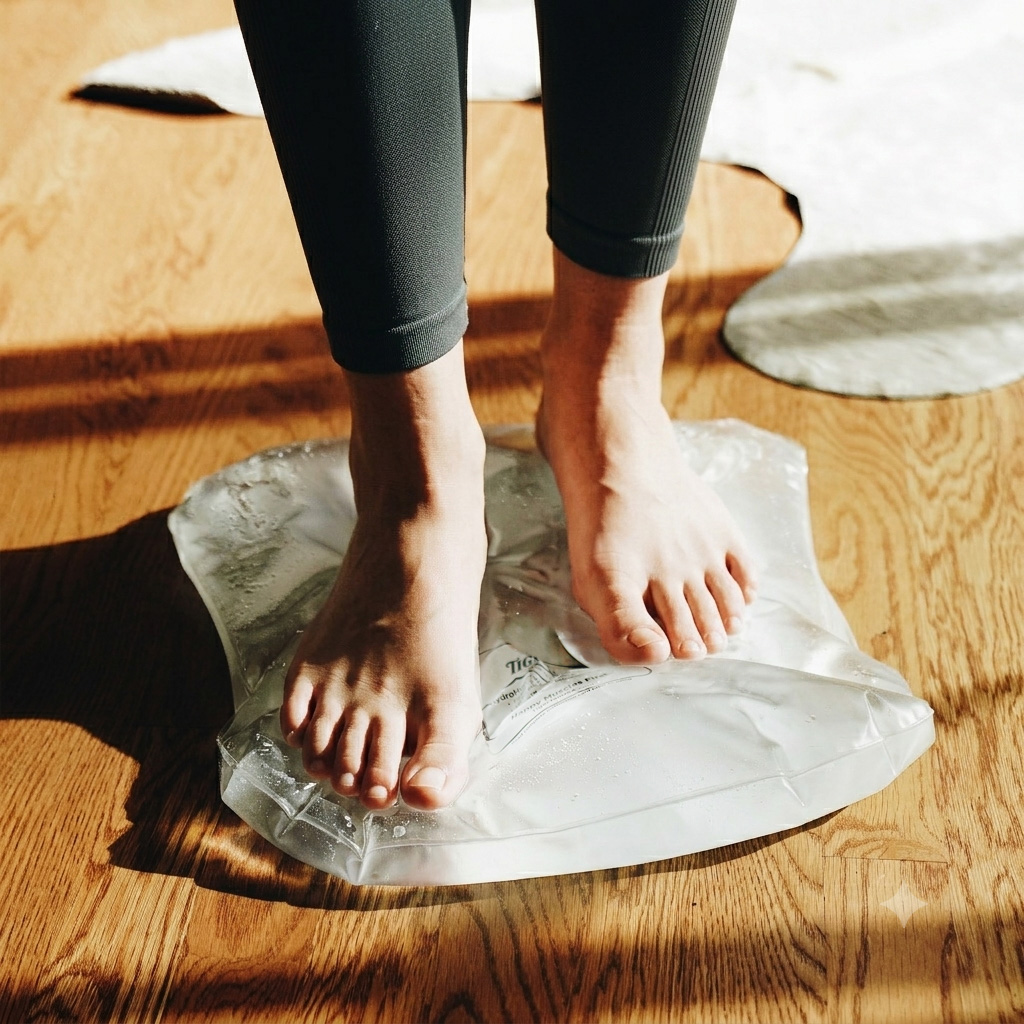
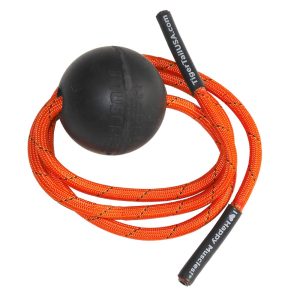
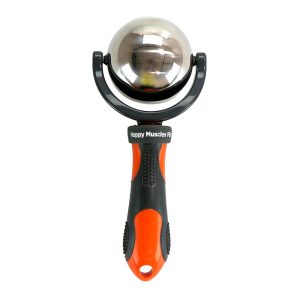
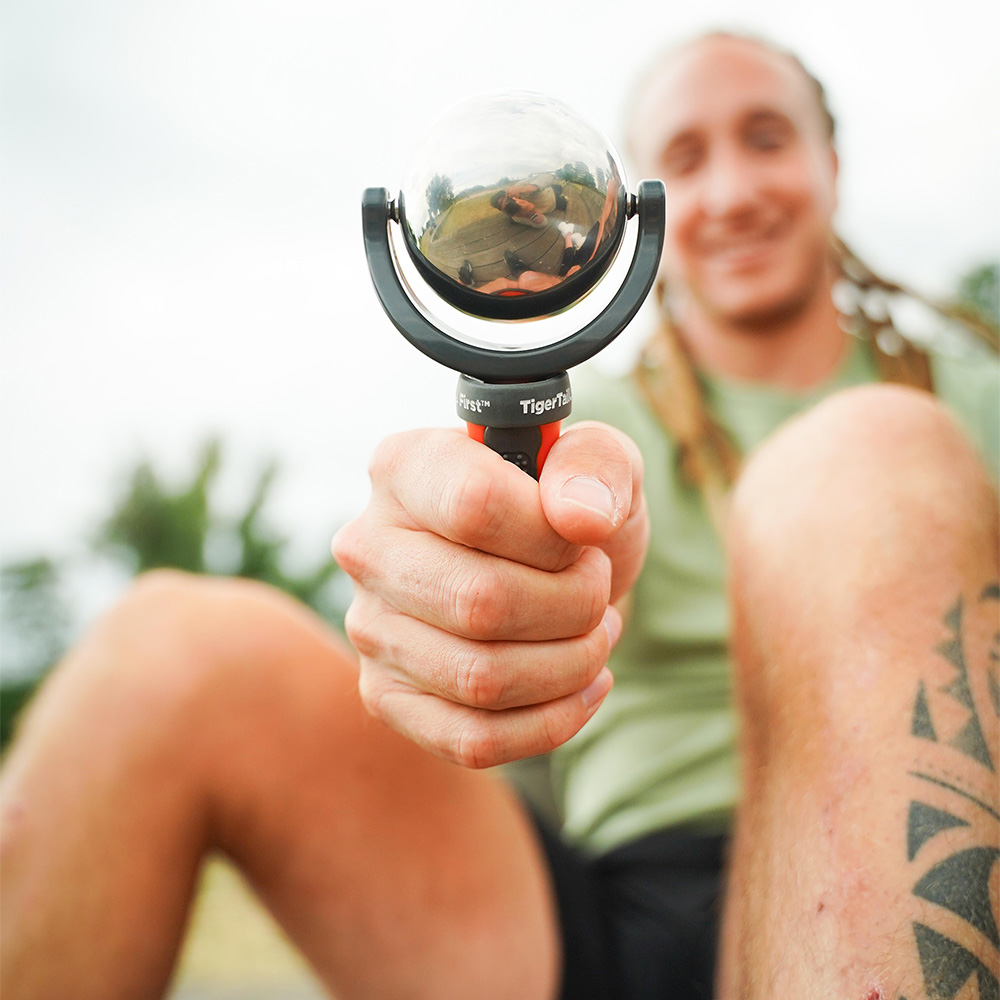
- The Tiger Ball® ICE Cold Massage Ball Roller: This tool features a 2.5″ stainless steel massage surface that stays naturally frosty to target inflammation, and it can be popped into the freezer for 30 minutes to kick the cold therapy up an arctic notch. Rolling the Tiger Ball® ICE along hard-to-reach areas like the arches and feet is made effortless by its comfortable, integrated handle grip, allowing you to easily adjust and control the massage pressure while completely saving your hands and fingers from fatigue.
Habits for Long-Term Foot Health
Tools provide the necessary tissue release, but daily habits stop the injury from returning:
Avoid Barefoot Walking: Walking barefoot on hard floors places immediate, unsupported stress on the fascia. Wear supportive, cushioned recovery sandals indoors, especially first thing in the morning.
Incorporate Intrinsic Foot Exercises: Build arch strength by practicing “towel scrunches” (using your toes to pull a towel toward you) or “short foot” exercises to lift and engage the arch muscles.
Evaluate Your Footwear: Ensure your everyday shoes have a spacious toe box so your feet can splay naturally, along with sufficient arch support to minimize tissue strain.
When to Seek Professional Help
Most cases of plantar fasciitis improve noticeably within 2 to 4 weeks of consistent myofascial care and stretching. However, you should consult a podiatrist or physical therapist if you experience severe swelling, visible bruising, numbness or tingling that radiates along the ankle, or pain that makes it impossible to bear weight. These signs may point to a stress fracture, nerve entrapment (like tarsal tunnel syndrome), or a severe fascia tear that requires professional diagnostics.
Frequently Asked Questions
How long does it take for plantar fasciitis to go away?
With consistent, daily myofascial release of the calves and foot, combined with supportive footwear, mild to moderate cases typically improve within 2 to 6 weeks. Chronic cases that have persisted for months may take 3 to 6 months of dedicated daily care to fully remodel the tissue.
Why is the pain worst during my first steps in the morning?
While you sleep, your foot naturally rests in a downward-pointed position (plantarflexion), which allows the plantar fascia to shorten and tighten. When you step out of bed, your body weight abruptly forces the foot into a flat position, violently stretching the cold, shortened tissue and causing micro-tears.
Is it safe to roll the bottom of my foot if it hurts?
Yes, gentle-to-moderate rolling is safe and highly beneficial for stimulating blood flow. However, avoid aggressive, high-impact pressure directly on the attachment point at the center of the heel bone, as this can bruise the bone and worsen the condition. Focus the pressure on the soft tissue of the arch.
Can tight calves really cause plantar fasciitis?
Yes. Your calf muscles (the gastrocnemius and soleus) connect directly to your heel bone via the Achilles tendon, which shares continuous connective tissue with the plantar fascia. When your calves are tight, they restrict ankle mobility and exert a constant upward pull on the heel, placing excessive strain on your arch with every step. Releasing calf tension is often the missing key to curing persistent foot pain.
Does heat or ice work better for plantar fasciitis?
Ice is highly effective for numbing acute, throbbing pain after a long day of standing or exercise. Heat is ideal to use before stretching or rolling, as it relaxes tight calf muscles and makes the connective tissue more pliable. According to AOPT clinical guidance, applying localized heat to gastrocnemius/soleus trigger points can help improve pain pressure thresholds.
Medical disclaimer: This article is for general informational and educational purposes only and is not a substitute for professional medical, veterinary, or fitness advice, diagnosis, or treatment. Always consult a qualified professional before starting a new exercise, recovery, or treatment program, or if you have any concerns about a health condition.
Safety disclaimer: Always read and follow the manufacturer’s instructions, warnings, and usage guidelines for any product or equipment mentioned here. Use tools and techniques as directed and within your own ability; start gently, stop if you feel pain or discomfort, and seek professional guidance if you are unsure. Improper or excessive use can result in injury.