If you’re dealing with muscle knots in the back, stubborn knots in the legs, or a nagging knot in the lower back that won’t go away no matter how much you stretch, you’re not imagining it. Let’s explore what you may be doing wrong and what the best myofascial release tools are for tight muscles.
Research shows that many people experience chronic muscle tightness even with regular stretching, because tight muscles are often a neurological and tissue‑health issue, not just a flexibility problem. Tiger Tail can help!
Photo by Manuel Lopez
Tight Muscles Are Often a Nervous System Response
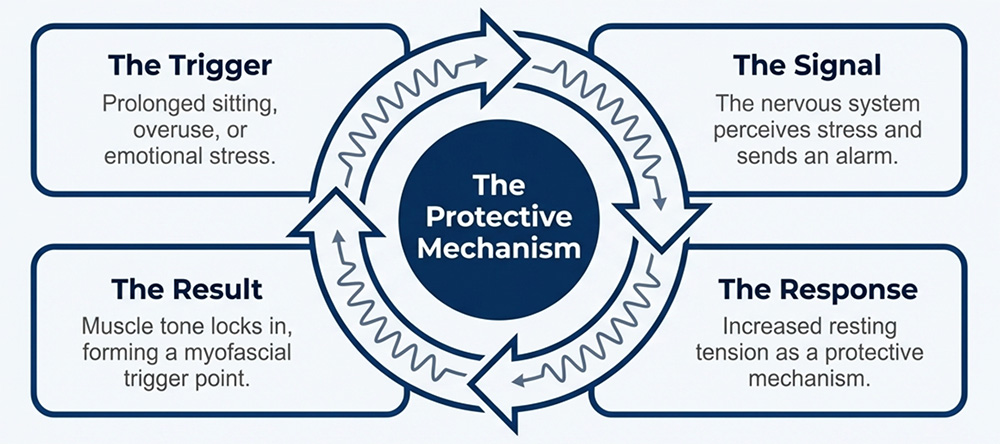
Clinically, muscle tightness is frequently related to increased muscle tone, which is the low‑level tension your muscles maintain at rest. When the nervous system perceives stress—whether from prolonged sitting, overuse, or emotional stress—it increases this resting tension as a protective mechanism.
In simple terms:
Your muscles tighten because your brain is telling them to stay “on guard.”
Studies show that manual pressure, such as massage with myofascial release tools, can reduce pain sensitivity and promote relaxation by changing how the nervous system processes sensory input (Frey‑Law et al., 2008; Crawford et al., 2016).
What Are “Muscle Knots” From a Clinical Perspective?
What people call muscle knots are often referred to clinically as myofascial trigger points. These are small, sensitive areas within muscle tissue that:
Have increased stiffness
Feel tender or sore to touch
Can cause local or referred pain (Zhai et al., 2024)
Advanced imaging studies have shown that these trigger points are real, measurable changes in tissue stiffness, especially in areas like the lower back, calves, and shoulder blades (Tsai et al., 2024).
This explains why a lump in the calf muscle or knots in the shoulder blade can feel firm and painful even when the muscle isn’t shortened.
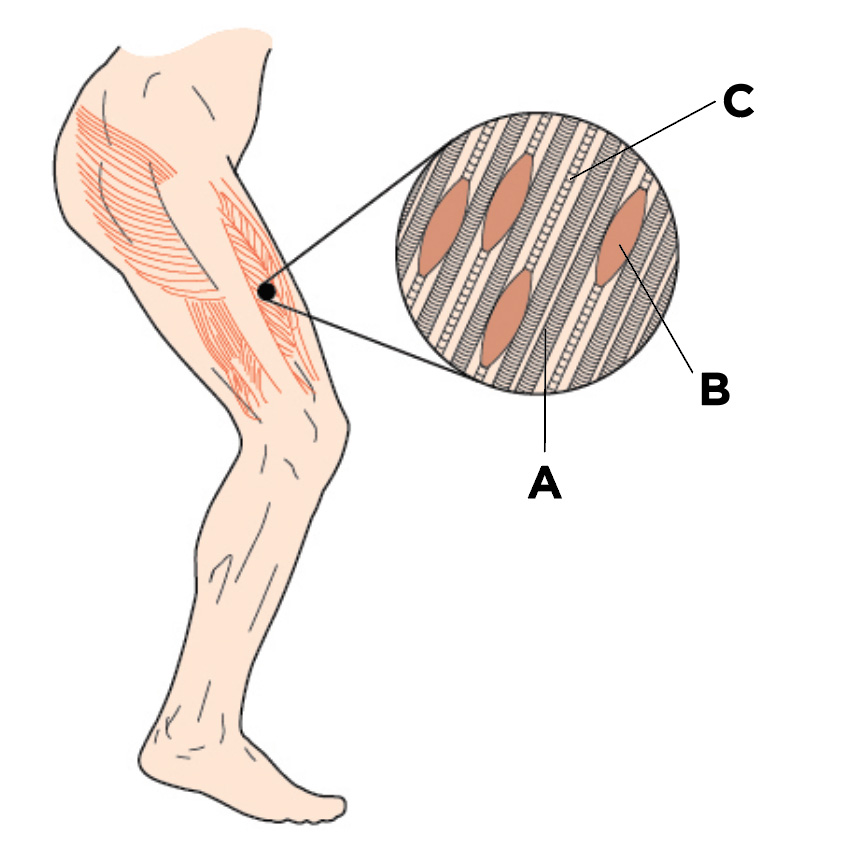
This figure represents several muscle knots within several muscle fibers.
Figure 1 represents several muscle knots within several muscle fibers.
Letter A represents a muscle fiber in its relaxed state. It is not working (neither contracting nor stretching).
Letter B illustrates a knot in the muscle fiber where many microsarcomeres have contracted into a muscle knot. It is this muscle knot that feels pretty darn painful when massaged, that many refer as a “good pain”.
Letter C illustrates the part of the muscle that extends from the knot to where your muscle attaches on the body (like on a bone). When the muscle is stretched like this, the muscle fibers lengthen unnaturally, and ultimately cause pain to seemingly uninvolved areas of the body (referred pain).
Why Stretching Alone Often Doesn’t Work
Stretching focuses on muscle length, but trigger points and increased muscle tone are more related to sensitization and tissue stiffness.
Clinical research suggests:
Stretching, without reducing muscle tone first, may be ineffective
In some cases, stretching an already irritated area can increase guarding
That’s why healthcare professionals often recommend myofascial release before stretching, especially for chronic tightness.
Photo by Manuel Lopez
How Myofascial Release Tools Help (In Plain English)
Systematic reviews show that self‑myofascial release can reduce muscle soreness and stiffness, particularly after activity or prolonged postures (Martínez‑Aranda et al., 2024).
In simple terms:
Pressure tells the nervous system, “You’re safe—this muscle can relax now.”
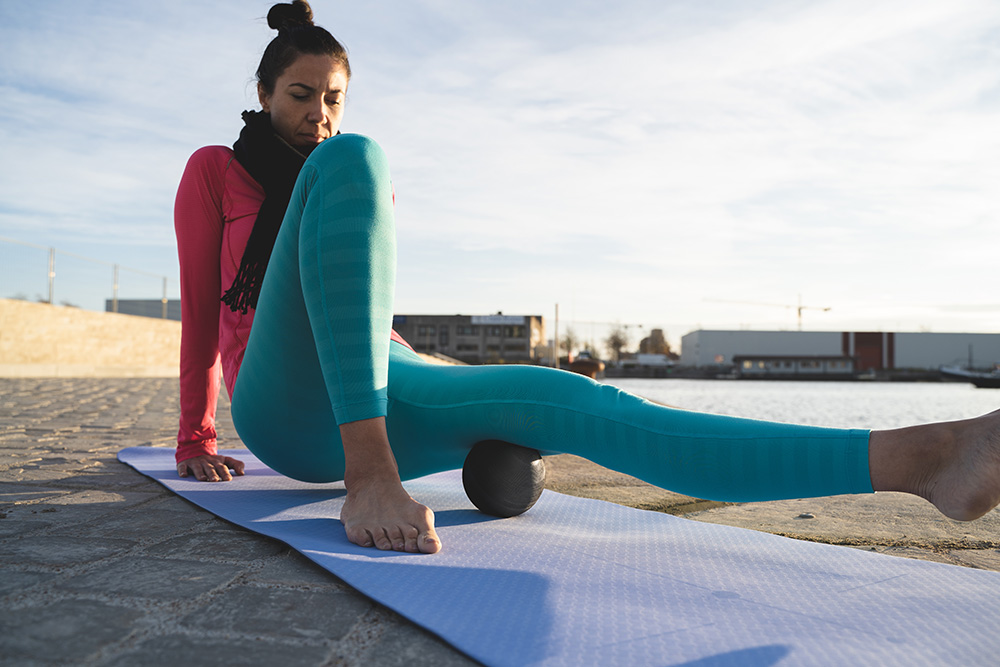
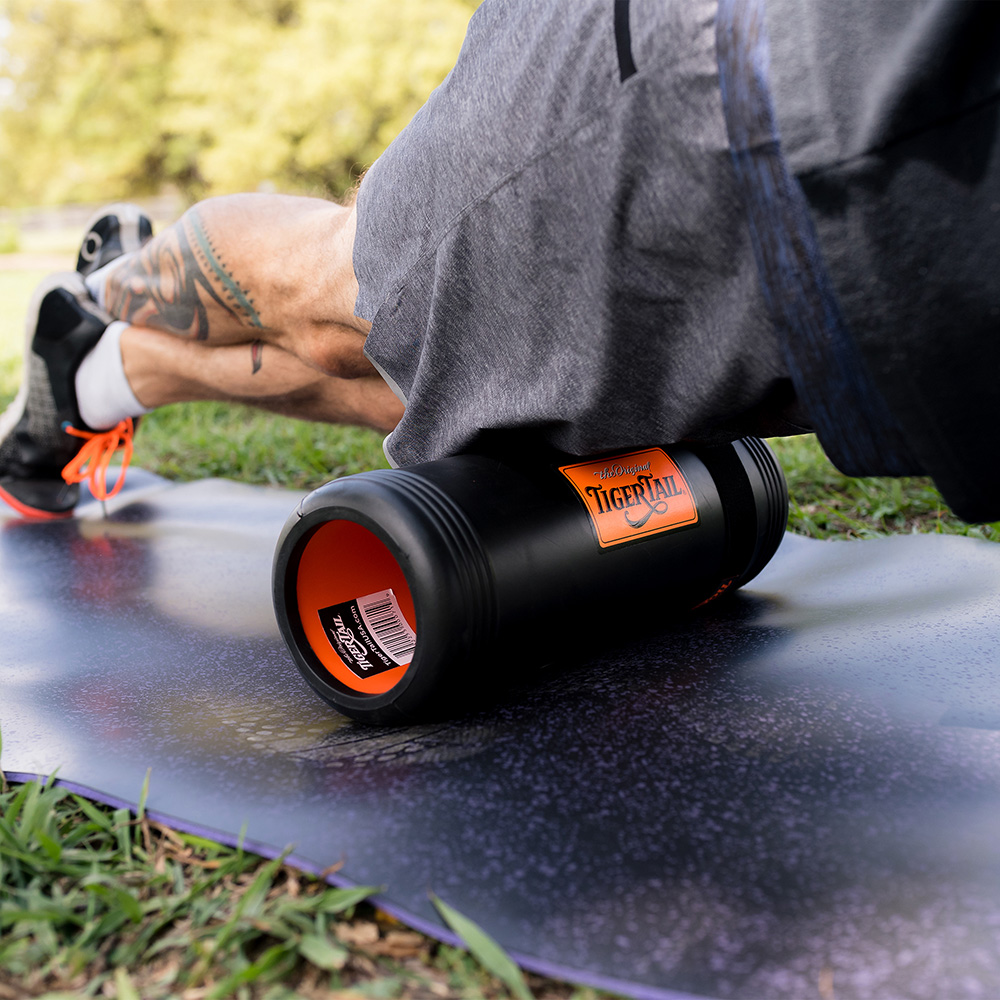
Floor foam rollers apply broader pressure and work well for large muscle groups but require floor positioning.
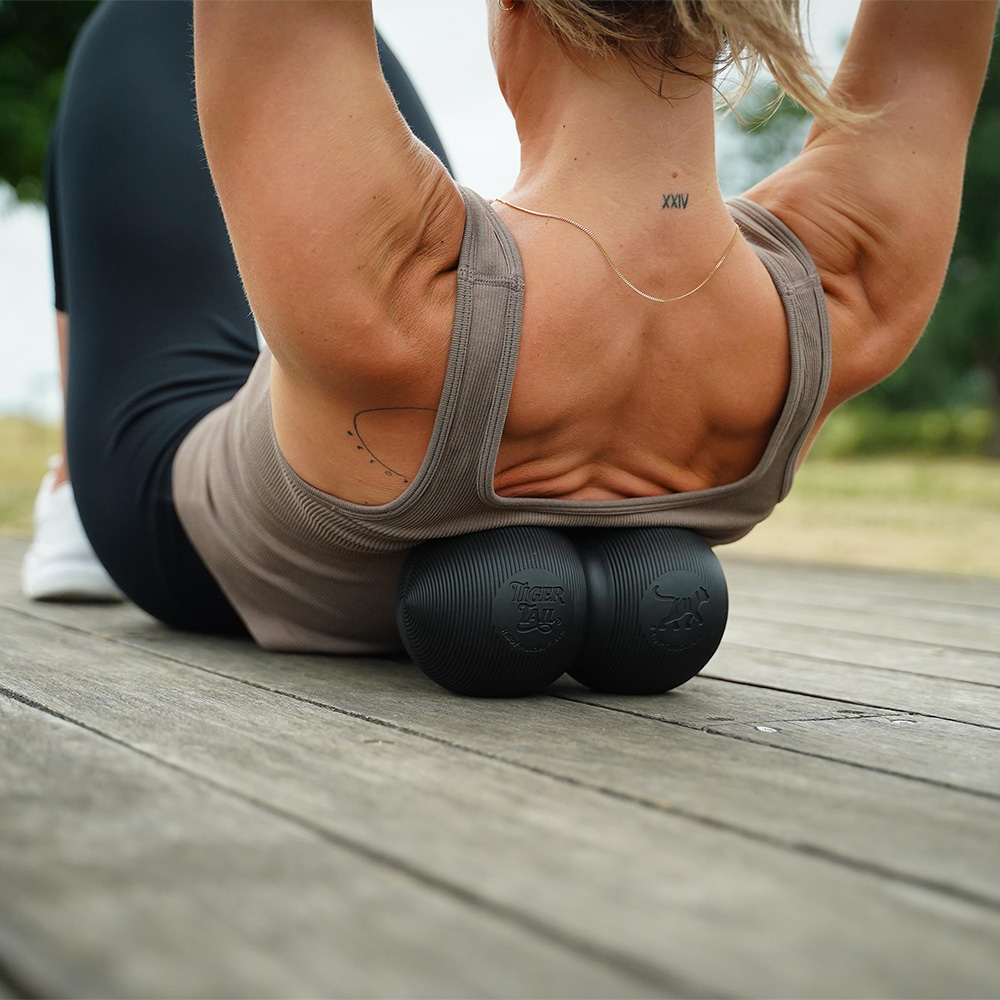
Peanut rollers are effective for muscles near the spine and between the shoulder blades.
Research shows that these tools work primarily through neurological modulation, not by “breaking up tissue” (Martínez‑Aranda et al., 2024).
Best Practice: Massage First, Stretch Second
Clinical guidelines support this sequence for persistent tightness:
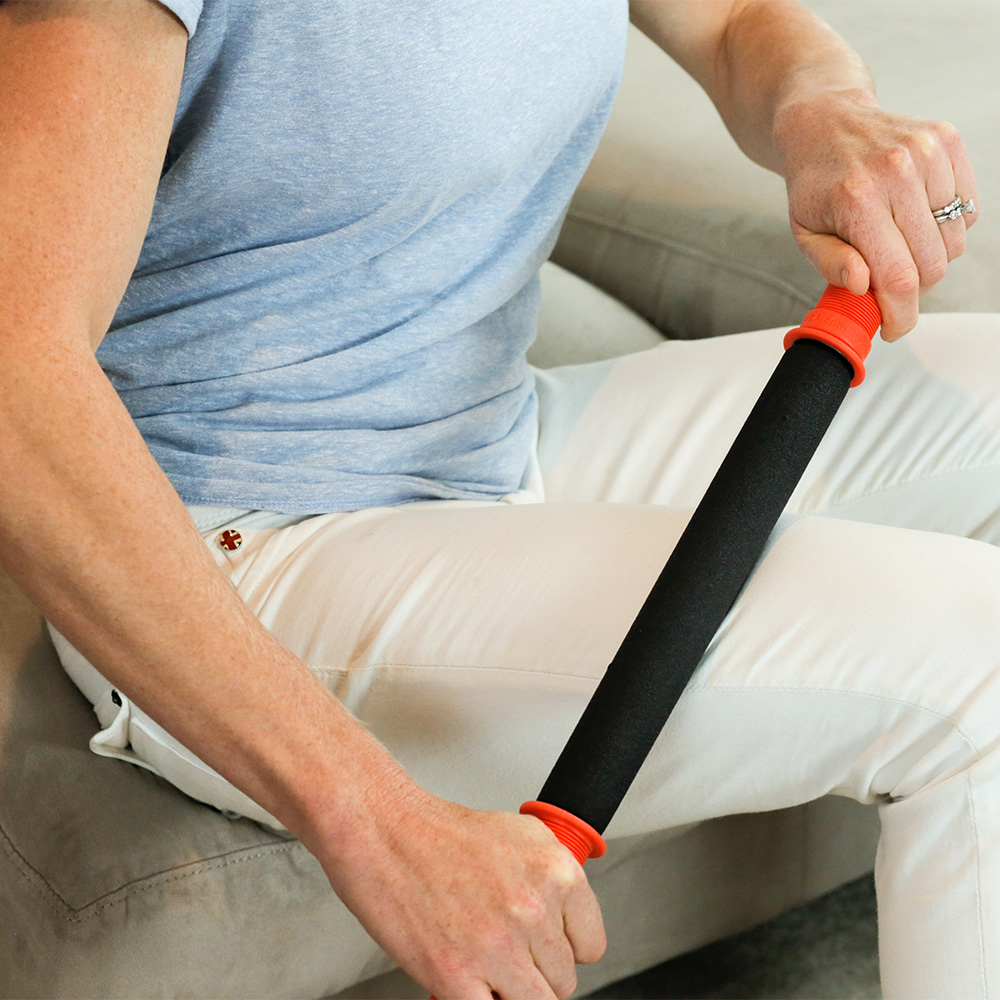
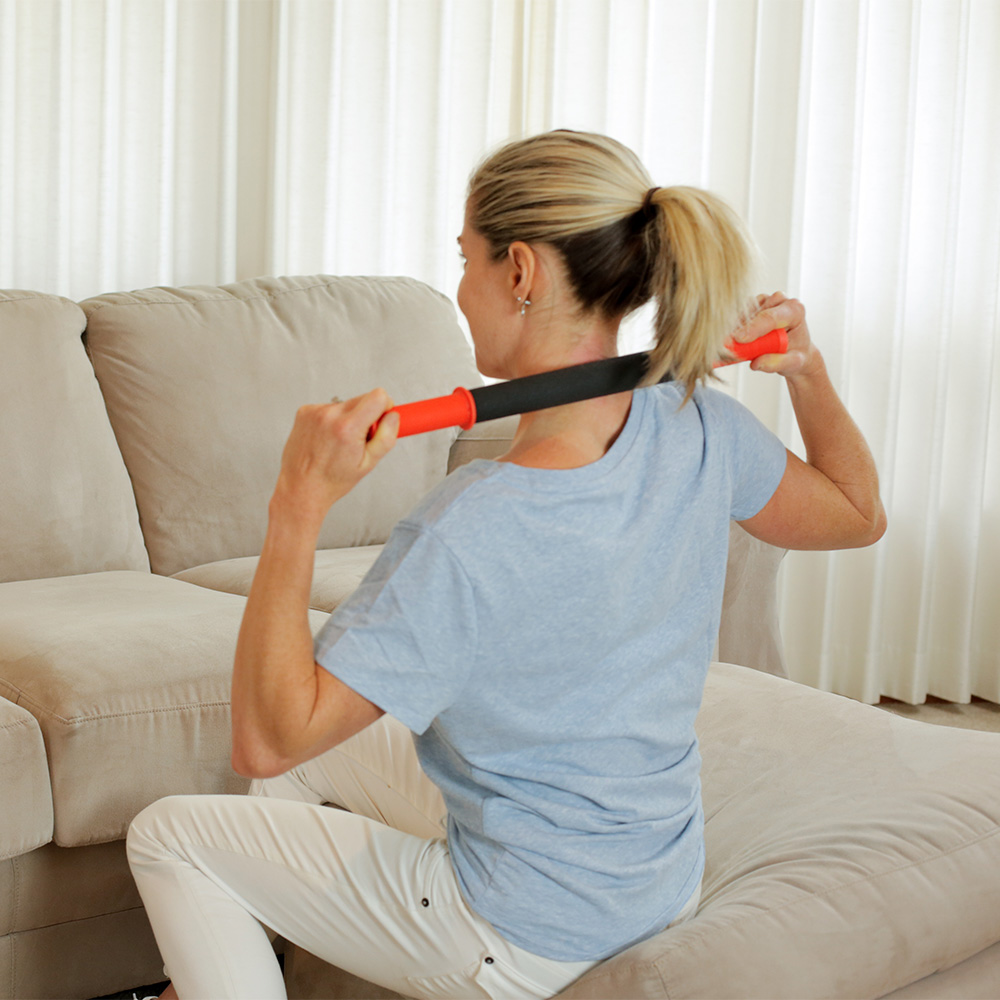
Apply gentle to moderate pressure using a Tiger Tail massage stick or other myofascial release tool for 30–90 seconds
Move slowly over tender areas
Stretch afterward, pain‑free and controlled
This approach helps muscles accept the stretch, instead of resisting it.
Key Takeaway
If you stretch regularly but still feel tight:
You’re likely dealing with muscle tone and trigger points, not poor flexibility
Myofascial release tools help reduce the underlying tension
Stretching works better after muscle tone decreases with rolling
Tools made for muscle happiness, like Tiger Tail muscle recovery rollers, help fill the gap between stretching and recovery—making movement feel easier, not forced.
References
Crawford, C., Boyd, C., Paat, C. F., Price, A., Xenakis, L., Yang, E., & Zhang, W. (2016). The impact of massage therapy on function in pain populations: A systematic review and meta‑analysis. Pain Medicine, 17(7), 1353–1375. https://doi.org/10.1093/pm/pnw099
Frey‑Law, L. A., Evans, S., Knudtson, J., Nus, S., Scholl, K., & Sluka, K. A. (2008). Massage reduces pain perception and hyperalgesia in experimental muscle pain: A randomized controlled trial. The Journal of Pain, 9(8), 714–721. https://doi.org/10.1016/j.jpain.2008.03.009
Martínez‑Aranda, L. M., Sanz‑Matesanz, M., García‑Mantilla, E. D., & González‑Fernández, F. T. (2024). Effects of self‑myofascial release on athletes’ physical performance: A systematic review. Journal of Functional Morphology and Kinesiology, 9(1), 20. https://doi.org/10.3390/jfmk9010020
Zhai, T., Jiang, F., Chen, Y., Wang, J., & Feng, W. (2024). Advancing musculoskeletal diagnosis and therapy: A comprehensive review of trigger point theory and muscle pain patterns. Frontiers in Medicine, 11, 1433070. https://doi.org/10.3389/fmed.2024.1433070
Spring Faussett is an American entrepreneur and inventor who founded Tiger Tail USA in 2006 with just $250, building the first 20,000 iconic orange and black massage sticks in her garage. A former Division I soccer player at Washington State University, her personal recovery journey inspired a passion for solving pain problems, resulting in over 15 patents in muscle recovery innovation. Faussett is an award-winning author of Happy Muscles®—Fast: a Self-Help Guide to Un-Knot Your Pain and holds a B.A. in Business and Communications from Washington State University, plus business certificates from Harvard and the University of Washington.