Dealing with persistent aches in your feet or arms can inhibit your routine and be really painful. Whether you are a power walker or a dog walker, plantar fasciitis is no joke. Every step can be miserable. Forearm pain from typing to tennis can be beyond irritating. Repetitive strain injuries like plantar fasciitis and forearm tendonitis are increasingly common. While rest is essential, active recovery using simple tools like a massage ball or roller stick can significantly speed up healing. With so many muscle tools – massage ball roller sticks, roller balls, massage balls, hand muscle rollers, massage sticks – how do we find the most effective self-help tool for the job?
Photo by Manuel Lopez
Let’s explore the clinical roots of this pain and five simple effective ways to find relief using targeted self-massage tools.
What Causes Plantar Fasciitis and Forearm Pain?
Before treating the pain, it helps to understand where it comes from.
Plantar Fasciitis is often described as a sharp, stabbing pain near the heel, particularly during those first few steps in the morning. Clinically, this isn’t just inflammation; it is often a degenerative condition of the plantar fascia, the thick band of tissue connecting your heel to your toes. Tightness in the calf muscles (gastrocnemius and soleus) can pull on the heel bone, increasing tension on the fascia. (Alfuth, 2024)
Forearm Pain (often manifesting as Tennis Elbow (Lateral Epicondylitis) or Golfers Elbow (Medial Epicondylitis) typically stems from overuse of the forearm extensors (Tennis Elbow) or flexors (Golfer’s Elbow). These muscles control your wrist and finger movements. When overworked, micro-tears form at the tendon attachment sites near the elbow, leading to pain that radiates down the forearm.
How Can a Plantar Fasciitis Massage Roller Relieve Heel Pain?
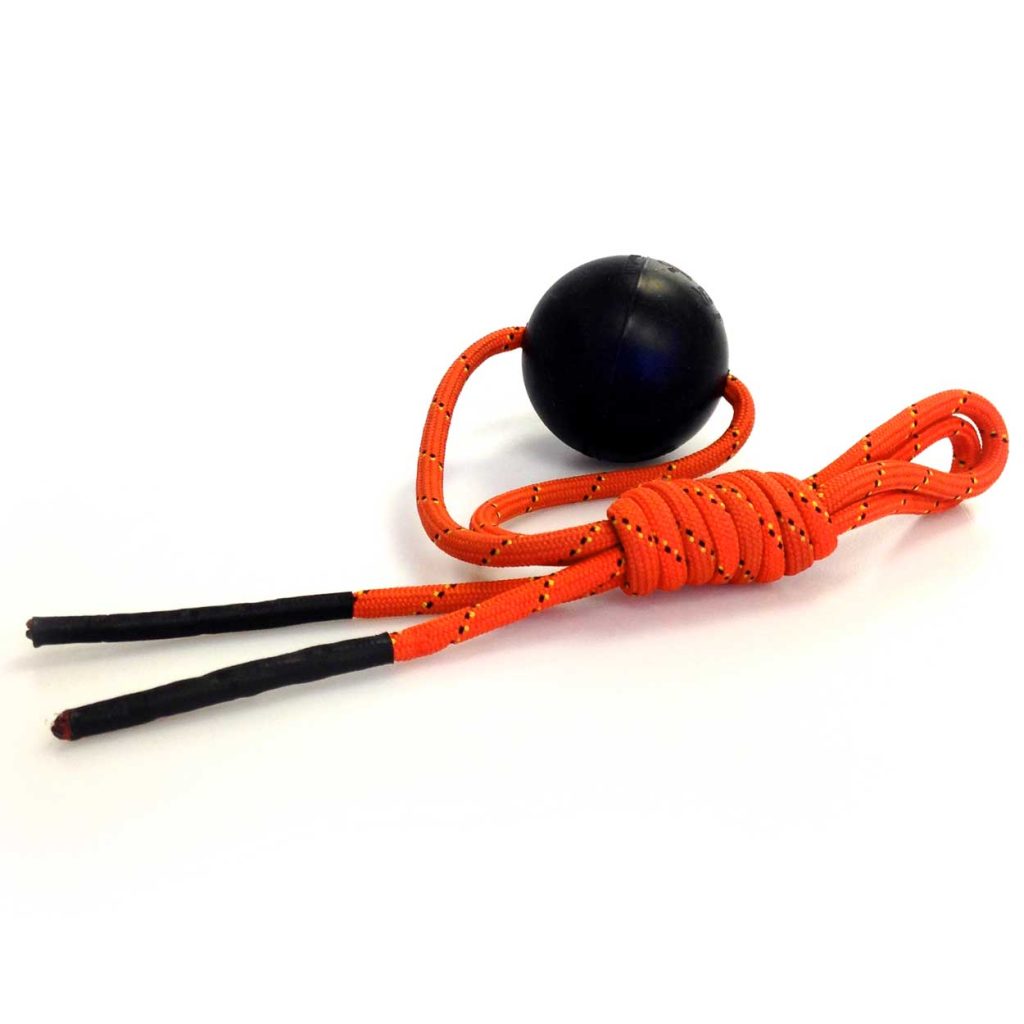
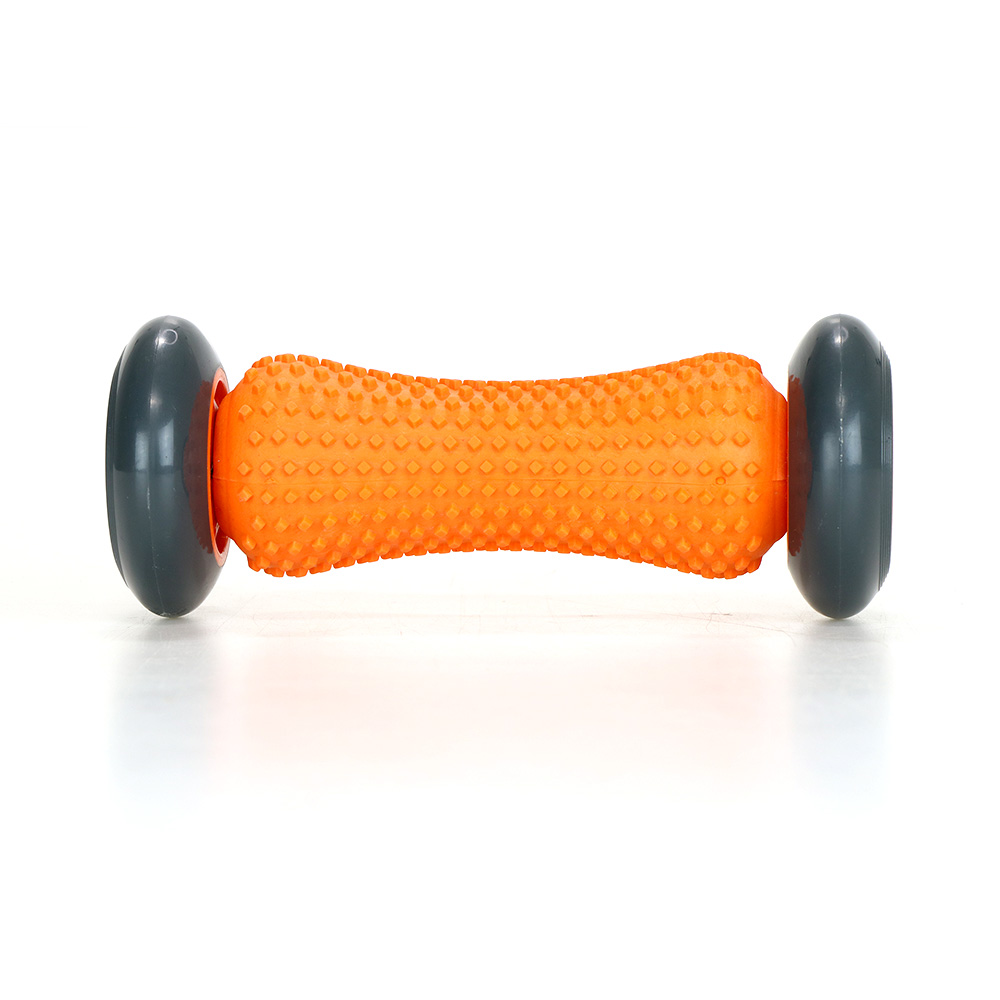
One of the most effective tools for foot pain is a firm ball Tiger Ball 1.7 Massage-on-a Rope or a specialized plantar fasciitis massage roller Tiger Footsie Foot Massage Roller. The goal here is to mobilize the tissue and stimulate blood flow, which can help reorganize collagen fibers and reduce pain sensitivity. (Russo et al., 2023)
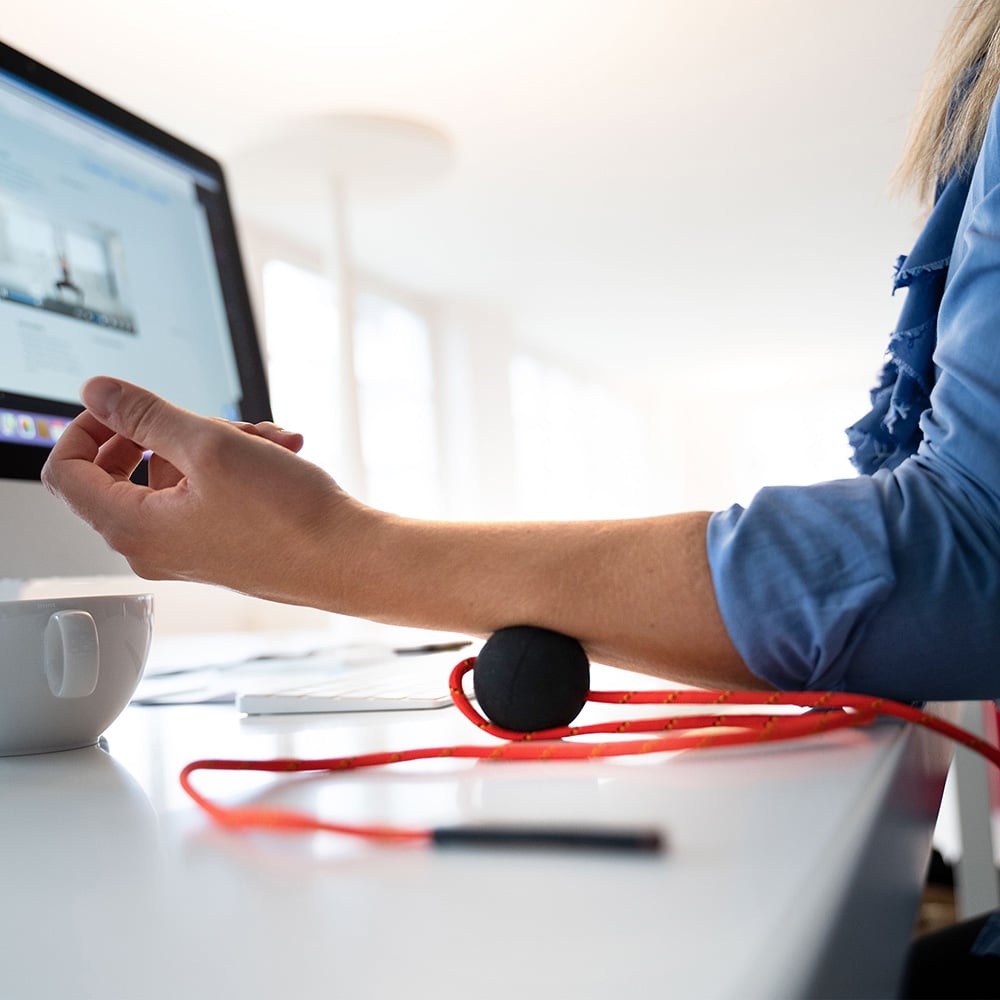
Tiger Ball 1.7 Massage-on-a Rope is a portable, therapy-quality self-massage tool designed to relieve muscle knots, aches, and soreness in smaller areas like feet and forearms through targeted myofascial release. Its firm, grippy rubber ball delivers consistent pressure without flattening, while the 50-inch corded rope keeps it in place against walls or floors and eliminates bending to retrieve it.
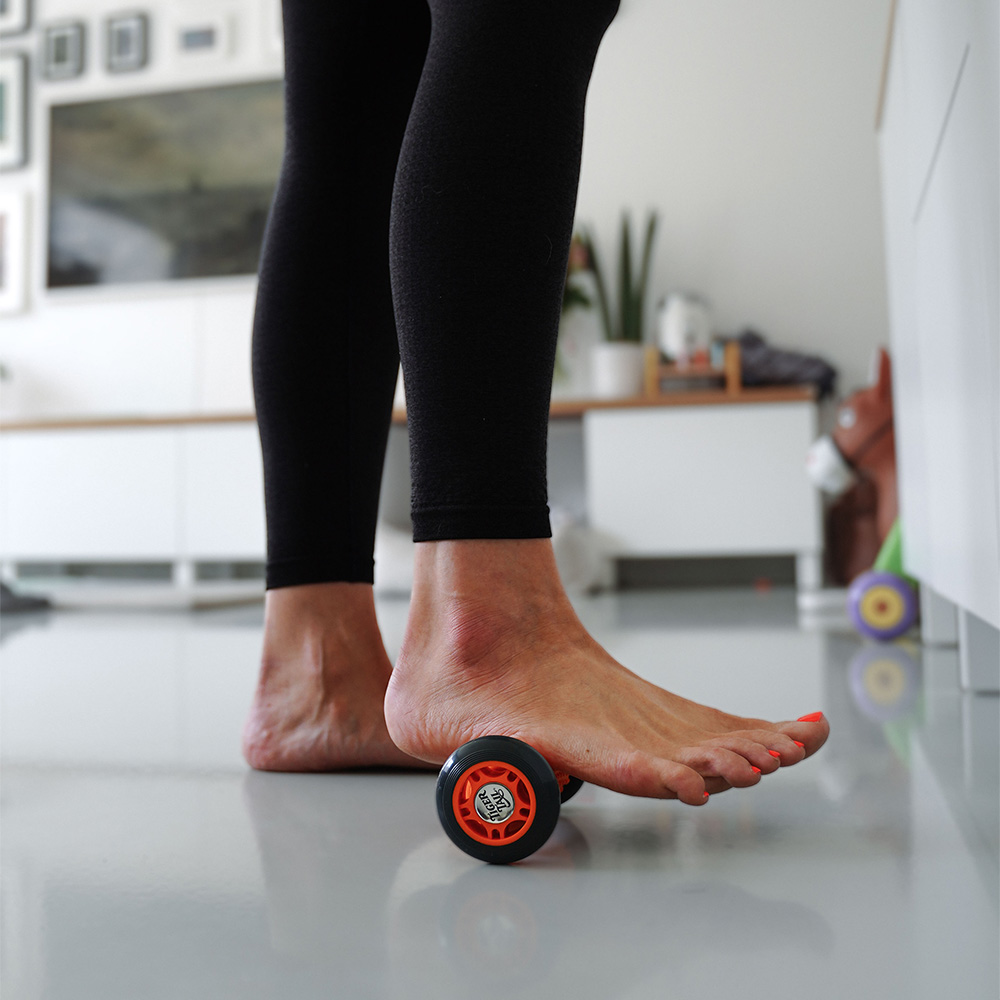
Tiger Footsie Foot Massage Roller is a portable foot roller specifically designed to treat plantar fasciitis symptoms by delivering therapy-clinic-quality myofascial release to reduce stiffness, pain, and inflammation in feet and ankles. Its firm design provides consistent, targeted pressure that improves blood flow, flexibility, and range of motion while helping to relieve muscle knots and tension.
Way #1: The Arch Roll Place a massage ball or roller under the arch of your foot while seated or standing (for more pressure). Slowly roll back and forth from the ball of your foot to just in front of your heel. This breaks up adhesions in the plantar fascia.
Way #2: The Heel Point Release Locate the most tender spot near your heel (the “trigger point”). Place the ball directly under this spot and apply steady, tolerable pressure for 30–60 seconds. Research suggests that this type of ischemic compression can help release tension in the trigger points associated with heel pain. (Renan-Ordinola et al., 2011)
Pro Tip: Combine this with a calf stretch and targeted massage pressure at the base of the calf. Tight calves often pull on the plantar fascia, so loosening them up gives your foot more slack.
What Techniques Work Best with a Forearm Massage Roller?
Your forearms are dense with muscle layers that control your grip. Using a forearm massage roller ball or a handheld roller stick allows you to target these muscles without tiring out your other hand.
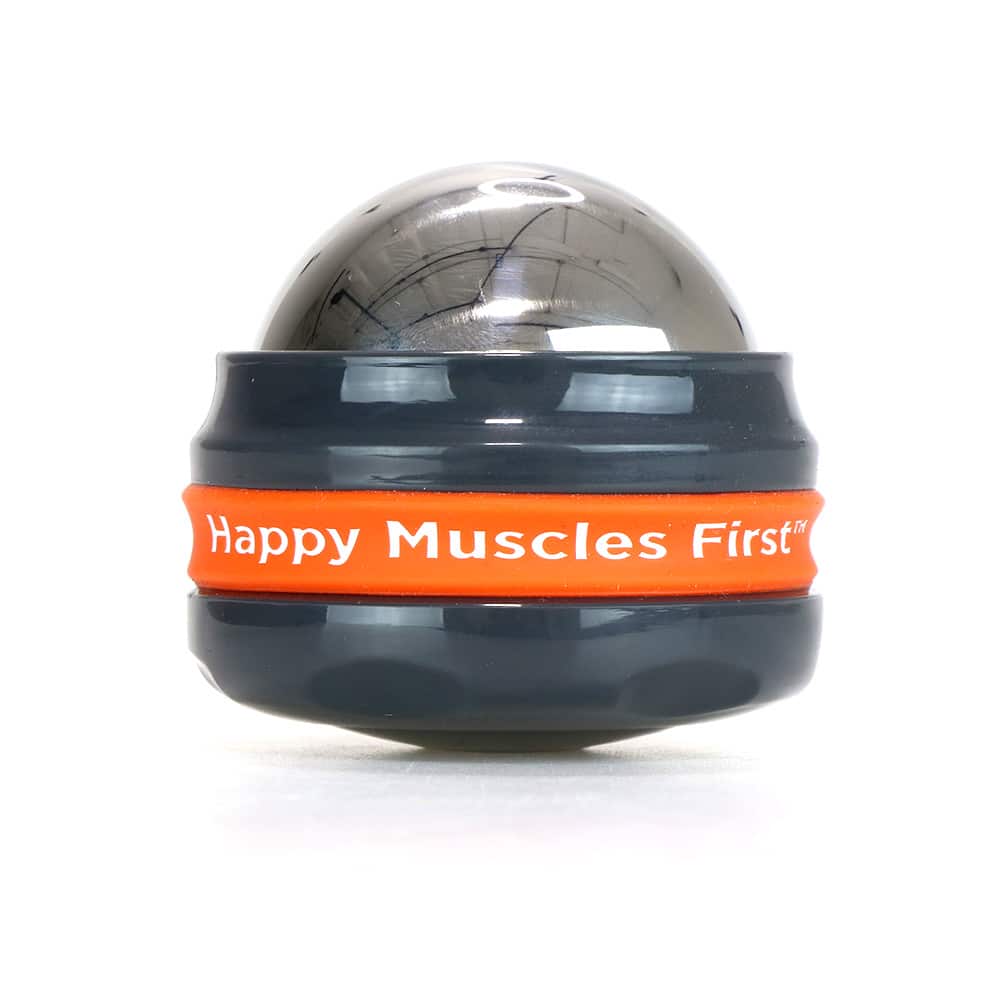
Knotty Tiger ICE Cold Roller Massage Ball is a 2.5-inch metal massage ball that stays naturally cold to provide easy self-help cold therapy while relieving muscle knots, aches, and inflammation with its firm, smooth surface. Designed to simulate a therapist’s deep tissue elbow massage technique, it rolls over clothing or skin without causing hand fatigue, making it ideal for targeting the neck, shoulders, back, arms, hips, and IT band.
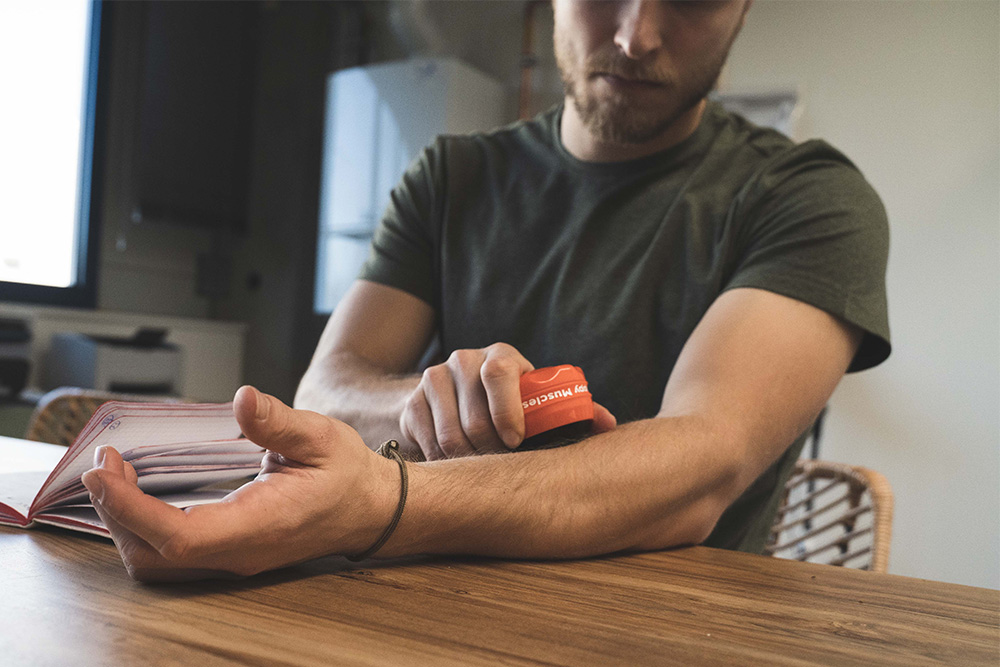
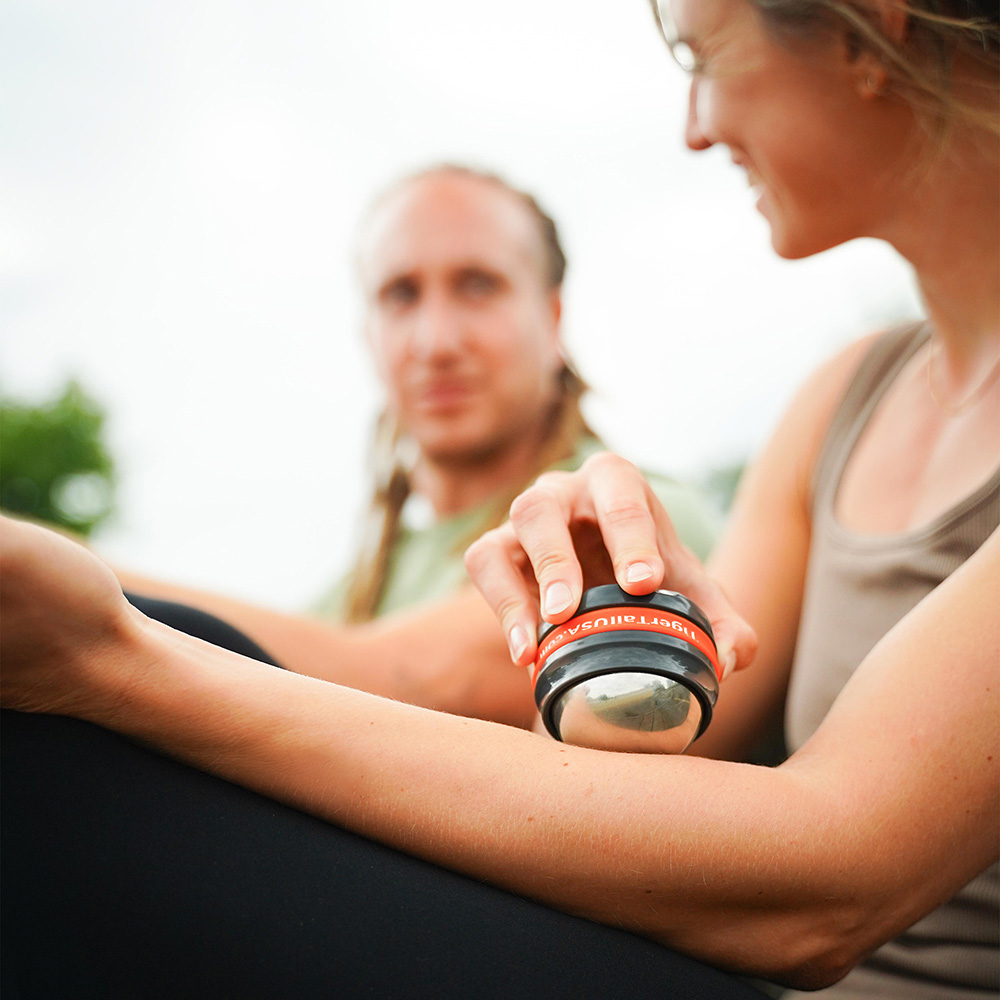
Way #3: Forearm Flexor Release (Golfer’s Elbow) Rest your arm on a table, palm facing up. Use a roller stick or a massage ball to apply pressure along the fleshy inside part of your forearm, moving from the wrist toward the elbow. This targets the flexor muscles, which are often tight in climbers and people who type heavily.
Way #4: Extensor Smash and Shear (Tennis Elbow) Place a massage ball on a table and rest the top of your forearm (extensor side) on it. Roll your arm up and down to find tender spots. Once you find a spot, pause and rotate your wrist in circles. This “pin and stretch” technique actively lengthens the muscle while the ball pins the tissue down, helping to restore sliding surfaces between fascial layers. (Cheatham et al., 2015)
Massaging the surrounding muscles decreases the tension of the inflamed tendons and helps break down any scar tissue that may have formed near the tendons.
Can a Hand Muscle Roller Help with Grip Pain and Stiffness?
Absolutely. The intrinsic muscles of the hand are often neglected, yet they work in tandem with the forearm.
Way #5: Palm Rolling Place a small ball (hand muscle roller – Tiger Ball 1.7 Massage Ball between your palms. Roll it in circles, applying compression to the fleshy pad at the base of your thumb (the thenar eminence). This relieves tension that contributes to thumb and wrist pain, improving overall grip function.
Why Add a Massage Ball or Roller Stick to Your Routine?
A massage ballor roller stick is a versatile tool that bridges the gap between deep tissue massage and foam rolling. Studies have shown that self-myofascial release can increase range of motion and reduce perceived pain without negatively affecting muscle performance. By integrating these tools into your daily routine—even for just 5 minutes—you can manage inflammation and prevent chronic tightness from setting in. (Cheatham et al., 2015)
Conclusion
Recovering from plantar fasciitis and forearm pain requires a mix of patience and active treatment. By understanding the clinical causes—often tight calves or overworked grip muscles—you can target the source of the pain. With the many options for self-help massage — massage ball roller sticks, roller balls, foam roller, muscle sticks, and more – we suggest using a plantar fasciitis massage roller or massage roller ball on your arches, and a forearm massage roller or roller ball massager on your arms to help improve blood flow, break down scar tissue, and restore mobility.
For more information on our awesome tools and programming:
Disclaimer: This information is for general knowledge and informational purposes only and does not constitute medical advice. Consult a healthcare professional before starting any new exercise program.
References
Alfuth, M. (2024). Pain improvement after three weeks of daily self-executed cross-friction massage using a fascia ball in a patient with recent-onset plantar heel pain: A case report. International Journal of Therapy and Rehabilitation, 31(3), 1-10.
Cheatham, S. W., Kolber, M. J., Cain, M., & Lee, M. (2015). The effects of self-myofascial release using a foam roll or roller massager on joint range of motion, muscle recovery, and performance: A systematic review. International Journal of Sports Physical Therapy, 10(6), 827–838.
Renan-Ordinola, H., Alburquerque-Sendín, F., de Souza, D. P., Cleland, J. A., & Fernández-de-las-Peñas, C. (2011). Effectiveness of myofascial trigger point manual therapy combined with a self-stretching protocol for the management of plantar heel pain: A randomized controlled trial. Journal of Orthopaedic & Sports Physical Therapy, 41(2), 43–50.
Russo, L., D’Emanuele, S., Argenziano, G., & Padulo, J. (2023). Self-myofascial release of the foot plantar surface: The effects of a single exercise session on the posterior muscular chain flexibility after one hour. International Journal of Environmental Research and Public Health, 20(2), 985.
Spring Faussett is an American entrepreneur and inventor who founded Tiger Tail USA in 2006 with just $250, building the first 20,000 iconic orange and black massage sticks in her garage. A former Division I soccer player at Washington State University, her personal recovery journey inspired a passion for solving pain problems, resulting in over 15 patents in muscle recovery innovation. Faussett is an award-winning author of Happy Muscles®—Fast: a Self-Help Guide to Un-Knot Your Pain and holds a B.A. in Business and Communications from Washington State University, plus business certificates from Harvard and the University of Washington.