Published on 2/19/2026
Hot and cold water therapy bags (also called hot/cold packs, hot water bottles, warm compresses, or cold compresses) are reusable containers designed to deliver controlled heat or cold to specific areas of the body. They’re inexpensive, easy to use, and can be part of a simple home pain‑management routine. You have chronic arthritis pain in your shoulders, you did leg day, and now you’re suffering from major muscle knots in legs, you tripped and rolled your ankle, you got rear-ended, and you need to treat whiplash … now what! Let’s explore the best uses for pain relief and injury treatment.
How They Work
- Heat therapy (thermotherapy) increases local blood flow, relaxes tight muscles, and improves tissue elasticity, which can ease stiffness and chronic pain, especially in muscles and joints. Research suggests that superficial heat can reduce pain and improve function in conditions like low back pain and osteoarthritis (French et al., 2006; Nadler et al., 2004). Treat: Muscle knots in legs, chronic arthritis pain in shoulders, chronic lower back pain, knot in calf muscle.
- Cold therapy (cryotherapy) reduces blood flow, slows nerve conduction, and decreases metabolic activity in tissues, which helps limit inflammation, swelling, and pain after acute injury (Bleakley et al., 2012; Algafly & George, 2007). Treat: whiplash, ankle sprain, jammed finger, overuse injuries (shin splints, plantar fasciitis), joint inflammation.
Best Uses for Heat Therapy
Benefits of Heat Therapy
Heat works best for chronic, nagging discomfort and muscle tightness rather than fresh injuries. Superficial heat can help:
- Loosen tight muscles and reduce stiffness.
- Improve circulation, deliver oxygen and nutrients that support tissue healing.
- Reduce pain sensitivity and improve comfort in chronic low back pain and arthritis (French et al., 2006; Nadler et al., 2004).
When to Use Heat
Use a warm therapy bag when you feel:
- Chronic muscle pain and general soreness.
- Back pain and neck stiffness, especially from posture or long hours at a desk.
- Arthritis pain when the joint is stiff but not acutely inflamed.
- Tension headaches, by placing a warm compress over the muscles on sore neck and shoulders.
Pros of Heat Therapy
- Soothing, relaxing relief for stiffness and muscle tightness.
- Can improve range of motion and prepare tissues for movement.
- Works well before stretching, mobility drills, or gentle exercise.
Cons of Heat Therapy
- Not ideal for fresh injuries or visible swelling.
- Can irritate sensitive skin or cause burns if too hot or used too long.
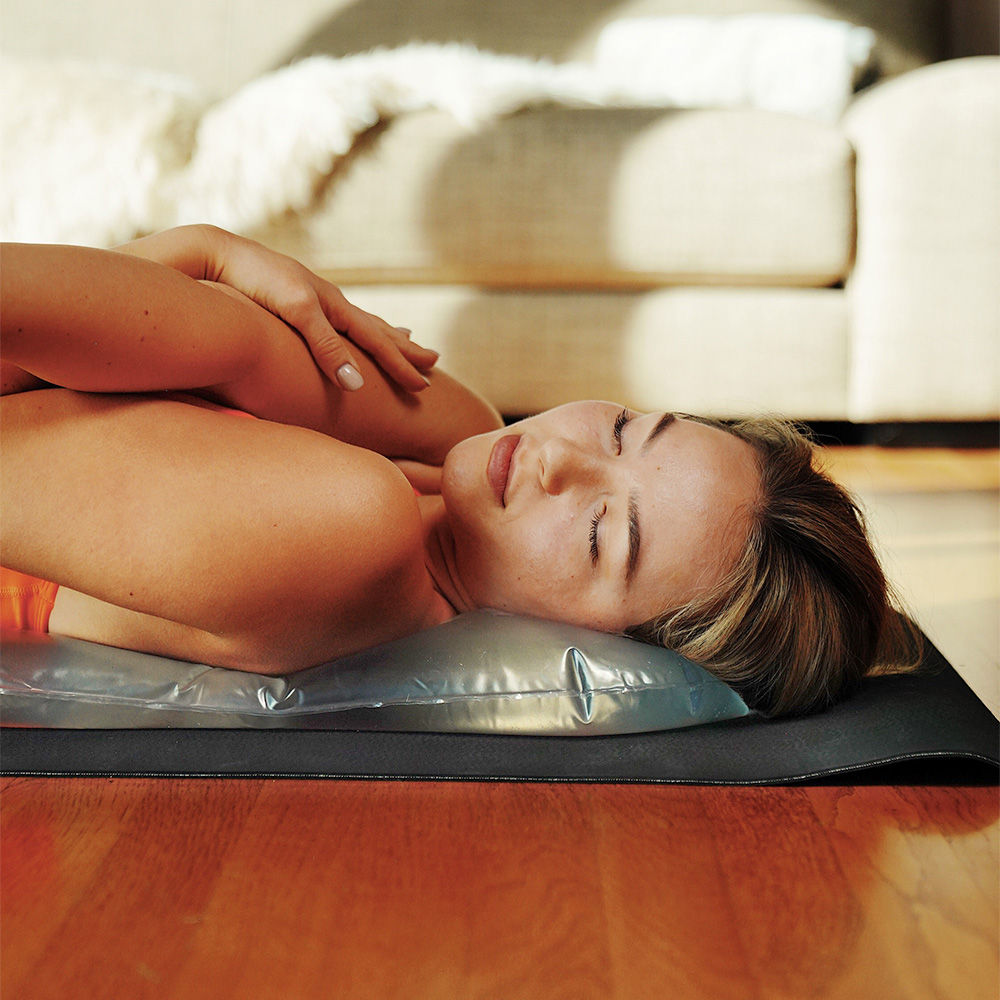
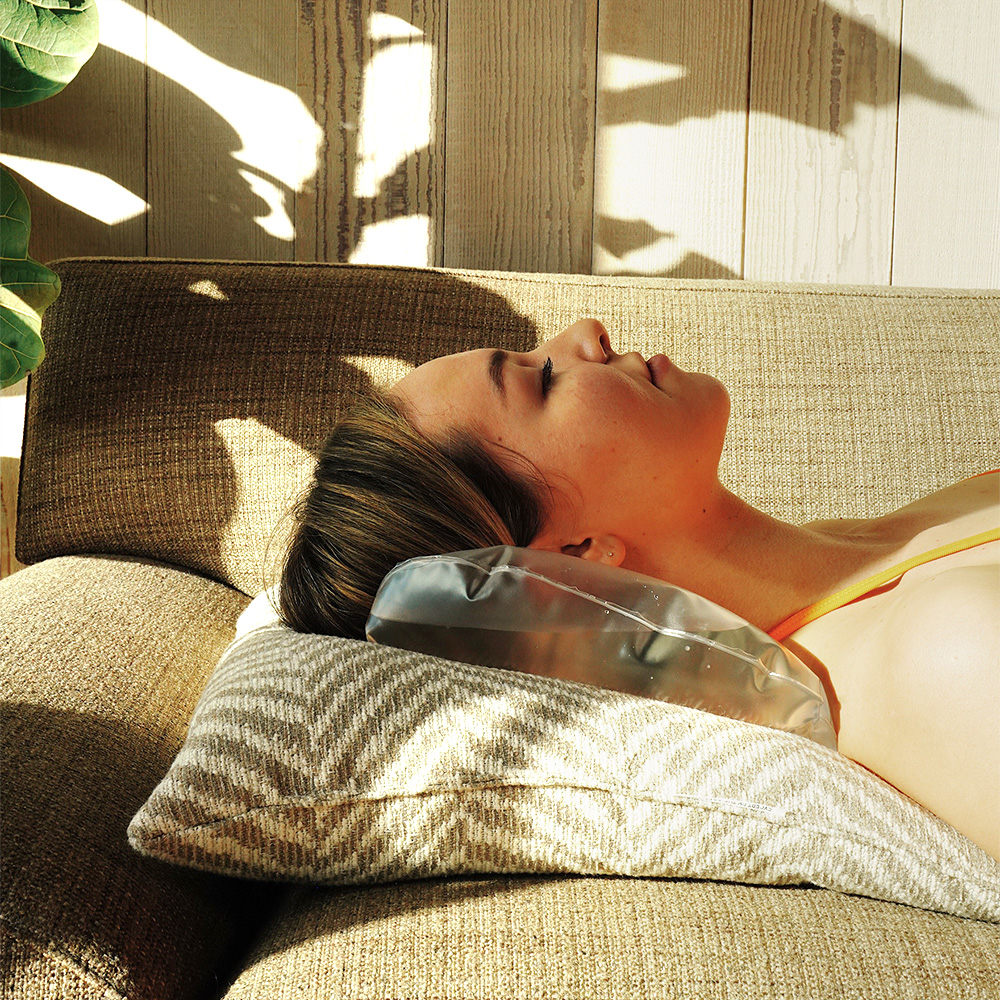
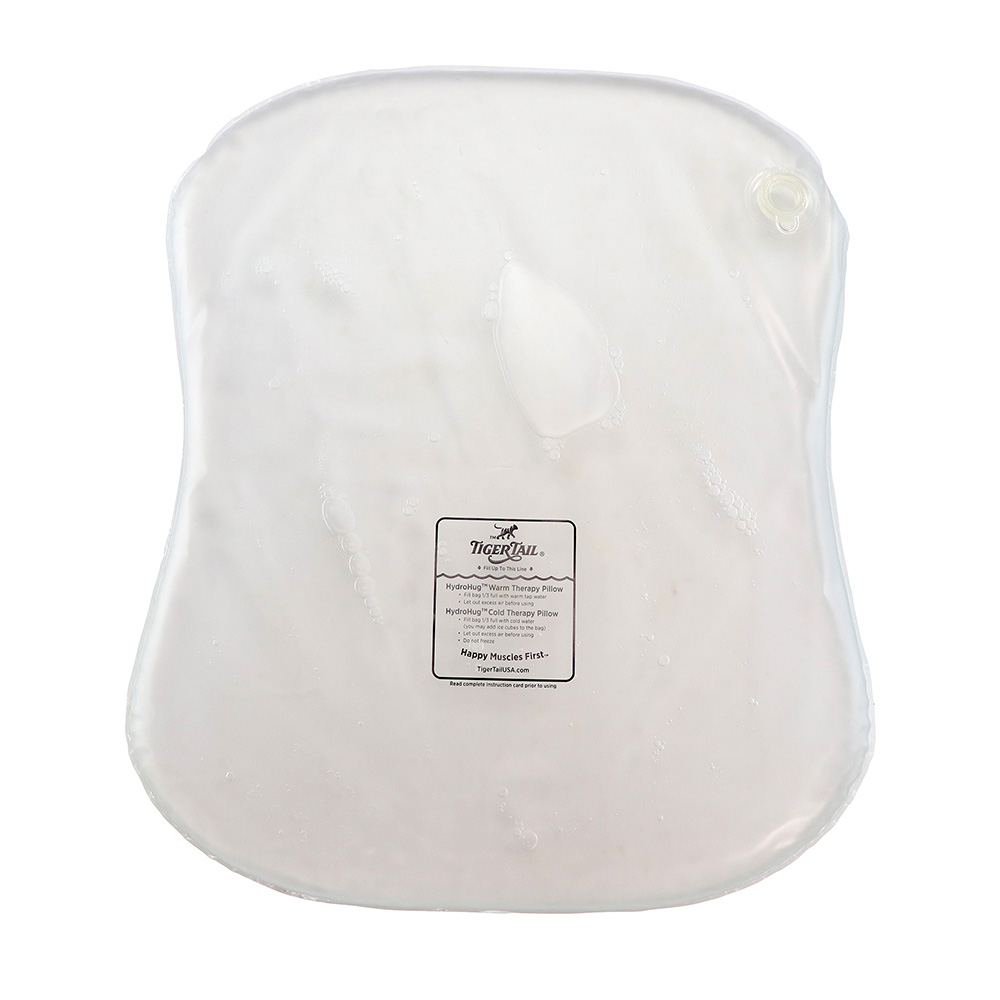
Practical tip: For back pain, lie on a large Tiger Tail HydroHug water pillow for 15–20 minutes, then follow with gentle mobility work like pelvic tilts or cat‑cow movements.
Best Uses for Cold Therapy
Benefits of Cold Therapy
Cold is your go-to choice in the first hours/days after an injury or flare-up with swelling. It can:
- Reduce inflammation and slow cellular activity, which may help limit secondary tissue damage after an acute injury (Bleakley et al., 2012).
- Decrease swelling and fluid buildup around joints and soft tissues.
- Numb sharp pain for short-term relief by slowing nerve conduction (Algafly & George, 2007).
When to Use Cold
Choose a cold pack or ice bag when:
- You have an acute injury (first 24–72 hours), like an ankle sprain or muscle strain.
- There’s visible swelling, warmth, or bruising.
- You’re dealing with a tendonitis flare-up or a sudden overuse injury.
- Post-workout soreness comes with noticeable puffiness or joint swelling.
Pros of Cold Therapy
- Effective for swelling treatment in the early injury phase.
- Quick to apply with a reusable ice pack or cold/ice water bag.
- Helps limit tissue damage and reduce pain right after injury.
Cons of Cold Therapy
- Can feel uncomfortable, especially if it is applied too long or too intensely.
- Overuse after the acute phase may interfere with the body’s natural inflammatory healing processes if used excessively and long-term.
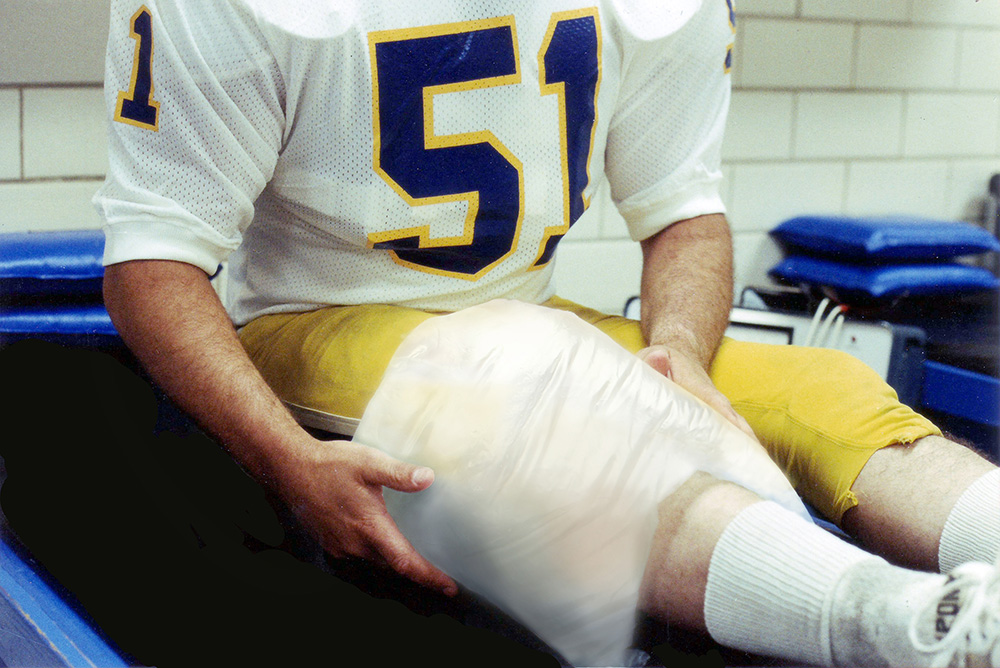
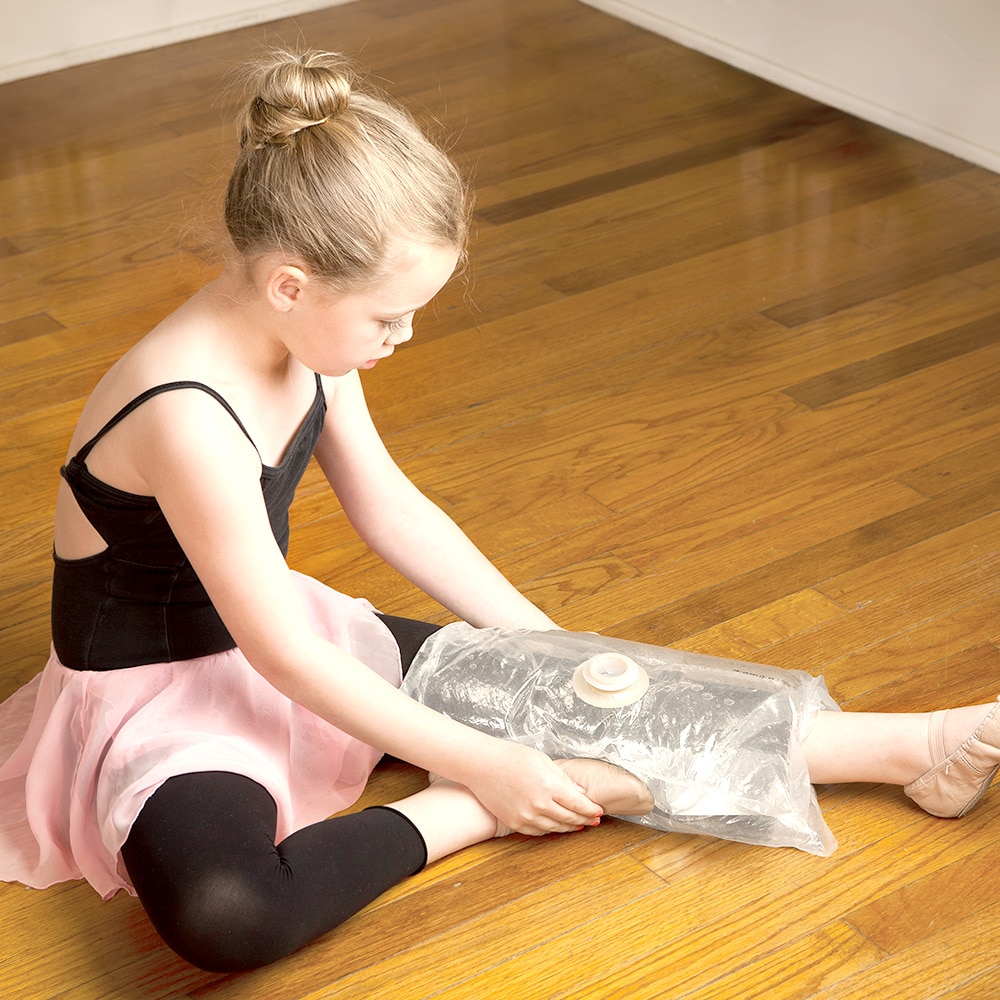
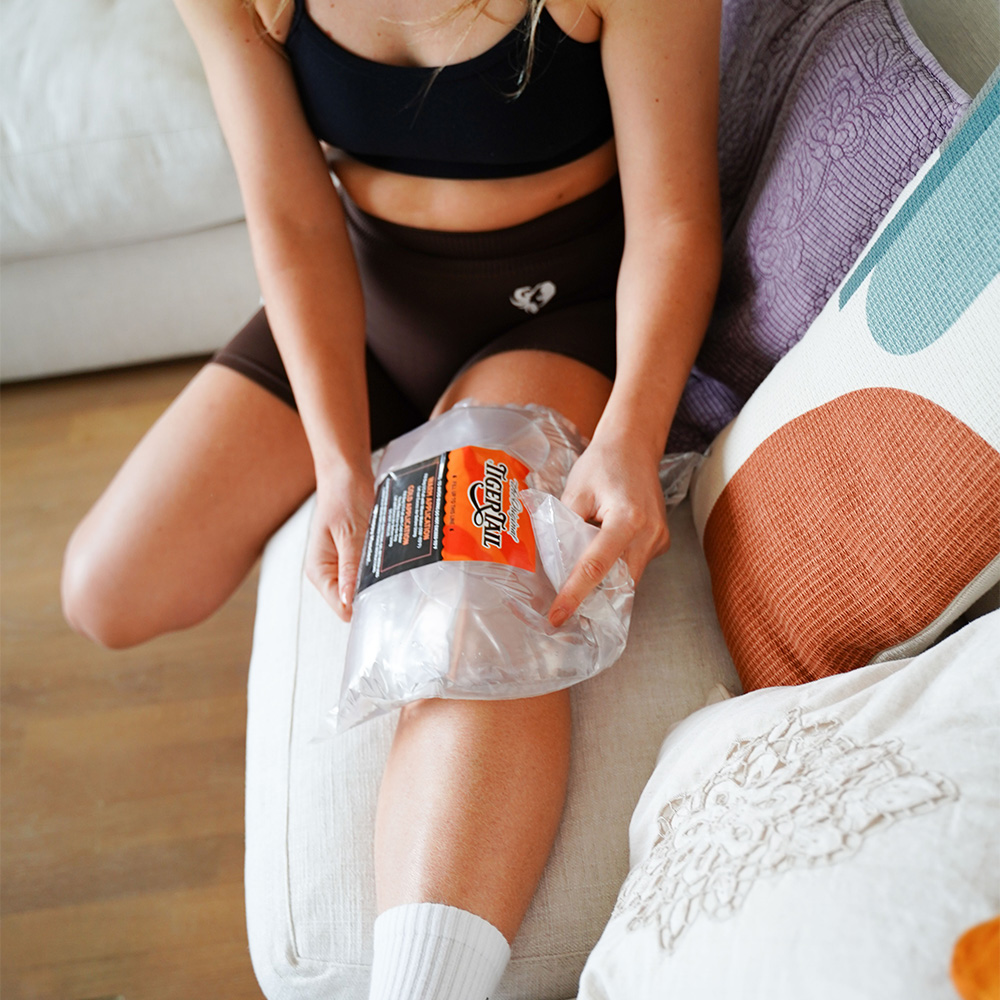
Practical tip: Use a cold/ice Tiger Tail DrySoak water pillow for 10–15 minutes at a time, with a thin cloth barrier between your skin and the bag when using ice. Let the skin return to normal temperature before repeating.
Heat vs Cold: How to Choose
Simple Rules of Thumb
- If it’s swollen, red, or bruised → lean toward cold therapy.
- If it’s tight, stiff, or dull/aching → lean toward heat therapy.
- After the acute phase of a sports injury, some people find benefit from contrast therapy (alternating warm and cold) to manage chronic pain and support functional recovery (Bleakley & Hopkins, 2010).
When Not to Use Heat or Cold
- Avoid heat over:
- Areas with active swelling or recent injury.
- Open wounds or infected areas.
- Areas with reduced sensation where you can’t reliably feel temperature.
- Avoid cold over:
- Areas with poor circulation or vascular disease.
- Regions with nerve damage or altered sensation.
- Exposed skin for prolonged periods (to avoid frostbite-like injury).
Always test the temperature on your forearm first and use a cloth barrier for safety.
| # | Image | Therapy Bag Type | Best For | Pros | Cons |
|---|---|---|---|---|---|
| 1 | ![]() |
Tiger Tail options: DrySoak & HydroHug Therapy Pillows | Knee/shoulder/back soreness |
|
|
| 2 | ![]() |
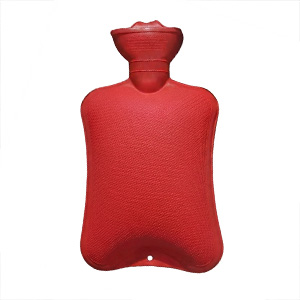
Rubber hot water bottle | Back pain, menstrual cramps |
|
|
| 3 | ![]() |
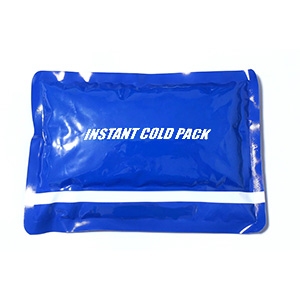
Reusable gel hot/cold pack | Versatile hot/cold use |
|
|
| 4 | ![]() |
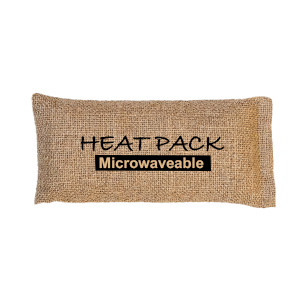
Microwaveable heat pack (bean/rice filled) | Neck/shoulder stiffness |
|
|
| 5 | ![]() |
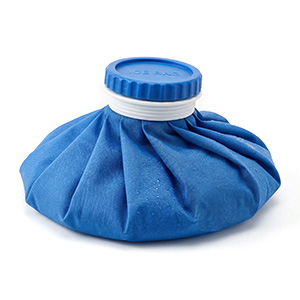
Ice bag / cold compress | Swelling, acute injuries |
|
|
How to Use Therapy Bags Safely
Application Times
- Heat therapy: 15–20 minutes per session, up to 3 times daily, with skin checks in between.
- Cold therapy: 10–15 minutes per session, with at least 30–60 minutes between applications on the same area.
Skin Protection Tips
- Use a thin towel or fabric between the therapy bag and your skin.
- Check the skin every few minutes for excessive redness, paleness, or numbness.
- Do not fall asleep with a hot water bottle or ice pack directly on your body.
Care and Storage
- Hot water bags: Don’t overfill, and always expel excess air before sealing. Let them dry completely and store with the cap off to prevent odor and degradation.
- Reusable gel packs: Inspect regularly for leaks or damage; keep them in a dedicated freezer pouch or bin to avoid damage or chemical leaks near food items.
- Microwaveable packs: Follow heating instructions closely, heat in short intervals, and always test the temperature before applying.
Matching Therapy Bags to Common Ailments
Back Pain
- Use heat to loosen tight back muscles and improve mobility, especially for chronic or posture‑related pain.
- For sharp, acute flare‑ups or after a sudden “tweak,” some people prefer brief cold therapy first, then switch to heat once swelling and irritability decrease.
Neck Pain
- A microwaveable heat pack across the neck and shoulders can ease stiffness from computer work or stress.
- For an acute strain (like “sleeping wrong” or a sudden jerk), start with a cold compress for 10–15 minutes, then transition to gentle heat as symptoms settle.
Knee Pain
- Use cold therapy for sprains, strains, and visible swelling after activity.
- Use heat for chronic soreness or arthritis when the joint feels stiff but not hot and swollen.
Migraines and Headaches
- A cold compress on the forehead or temples can help reduce throbbing or pulsing sensations for some people.
- Warm packs on the neck and shoulders can release muscle tension that may trigger or worsen tension‑type headaches.
Arthritis
- Apply heat for stiffness and to help with joint comfort and daily function.
- Use cold during inflammatory flare-ups when the joint feels hot, swollen, or especially irritated.
Sports Injuries
- Early on, use cold to limit swelling and manage pain after sprains, strains, or impact injuries.
- After the initial 48–72 hours, adding heat or contrast therapy may help with ongoing stiffness and functional recovery, alongside appropriate rehab exercises (Bleakley & Hopkins, 2010).
Frequently Asked Questions
How long should I use an ice pack?
Use a cold compress for about 10–15 minutes at a time with a thin cloth barrier. You can repeat every few hours during the first 24–72 hours after an injury, as long as the skin returns to normal temperature between sessions.
Can I switch from cold to heat?
Yes. Many people use cold therapy first for swelling and sharp pain, then switch to heat therapy once swelling decreases to relax muscles and restore mobility. When you alternate warm and cold in the same session, it’s often called contrast therapy.
Is heat or cold better for back pain?
For stiff, achy back pain, heat usually feels better and may improve comfort and function. If your back is acutely injured, swollen, or extremely tender after a specific incident, start with brief cold therapy.
What should I avoid doing with a hot/cold bag?
Avoid direct, prolonged skin contact, extreme temperatures, and falling asleep with a hot water bottle or ice pack on your body. Always check for leaks, and don’t apply over open wounds or areas with significantly reduced sensation.
Conclusion
Hot and cold water therapy bags are simple, accessible tools that can make a real difference in everyday pain, stiffness, and recovery when you match the right temperature to the right situation. Use cold therapy for swelling and fresh injuries, heat therapy for stiffness and chronic soreness, and consider contrast therapy once you’re past the acute phase of an injury. Always protect your skin, follow safe application times, and remember that this guide is educational and not a substitute for medical care. If you have underlying health conditions, severe pain, numbness, or persistent swelling, check in with a healthcare professional to make sure hot/cold therapy is appropriate for you.
References
- Algafly, A. A., & George, K. P. (2007). The effect of cryotherapy on nerve conduction velocity, pain threshold and pain tolerance. British Journal of Sports Medicine, 41(6), 365–369. https://doi.org/10.1136/bjsm.2006.031237
- Bleakley, C. M., & Hopkins, J. T. (2010). Is it possible to achieve optimal levels of tissue cooling in cryotherapy? Physical Therapy Reviews, 15(4), 344–350. https://doi.org/10.1179/1743288X10Y.0000000008
- Bleakley, C. M., Costello, J. T., & Glasgow, P. D. (2012). Should athletes return to sport after applying ice? Sports Medicine, 42(1), 69–87. https://doi.org/10.2165/11595970-000000000-00000
- French, S. D., Cameron, M., Walker, B. F., Reggars, J. W., & Esterman, A. J. (2006). Superficial heat or cold for low back pain. Cochrane Database of Systematic Reviews, 2006(1), CD004750. https://doi.org/10.1002/14651858.CD004750.pub2
- Nadler, S. F., Weingand, K., & Kruse, R. J. (2004). The physiologic basis and clinical applications of cryotherapy and thermotherapy for the pain practitioner. Pain Physician, 7(3), 395–399.
Spring Faussett is an American entrepreneur and inventor who founded Tiger Tail USA in 2006 with just $250, building the first 20,000 iconic orange and black massage sticks in her garage. A former Division I soccer player at Washington State University, her personal recovery journey inspired a passion for solving pain problems, resulting in over 15 patents in muscle recovery innovation. Faussett is an award-winning author of Happy Muscles®—Fast: a Self-Help Guide to Un-Knot Your Pain and holds a B.A. in Business and Communications from Washington State University, plus business certificates from Harvard and the University of Washington.