Knot in Shoulder: 6 Proven, Easy Ways to Get Fast Relief
Quick answer: A knot in the shoulder muscles is a myofascial trigger point caused by stress, poor posture, or overuse. Applying heat, using an acupressure hook, rolling with a peanut roller, and gentle stretching for 5–10 minutes daily typically resolves most shoulder knots within one week.
A knot in shoulder tissue is one of the most common complaints among desk workers, athletes, and anyone who carries stress in their upper body. These tight, ropy bands — formally called myofascial trigger points — form when muscle fibers contract and fail to fully release, cutting off blood flow and causing that familiar dull ache or sharp pinch. The good news: most shoulder knots respond well to targeted self-care, and you don’t need a massage therapist on speed dial to get relief.
Photo by Kindel Media
What Causes a Knot in Shoulder Muscles?
Shoulder knots typically develop in the upper trapezius, levator scapulae, and rhomboid muscles. Common culprits include:
Emotional stress, which triggers chronic muscle guarding
Poor sleep position that compresses one shoulder
Dehydration and inadequate post-workout recovery
Understanding the root cause helps you choose the right treatment and prevent the knot from returning.
6 Proven Ways to Release a Knot in Shoulder
1. Apply Heat First with a Hot Water Therapy Pillow
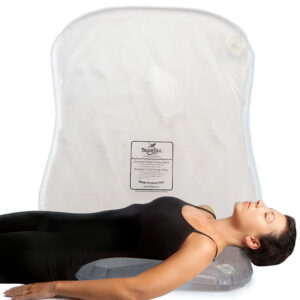
Heat is your first line of defence for muscle tension relief. Warmth increases blood flow, softens the fascia, and makes the tissue far more receptive to manual work. The Hydro Hug® Hot Water Therapy Pillow Large ($24.99) contours naturally to the neck and shoulder, delivering moist heat without getting wet — think of it as a portable hot tub for your traps. Apply for 10–15 minutes before any rolling or stretching session.
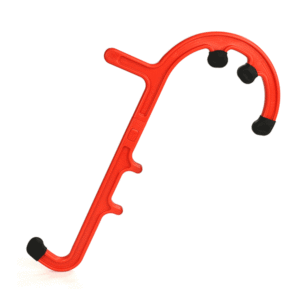
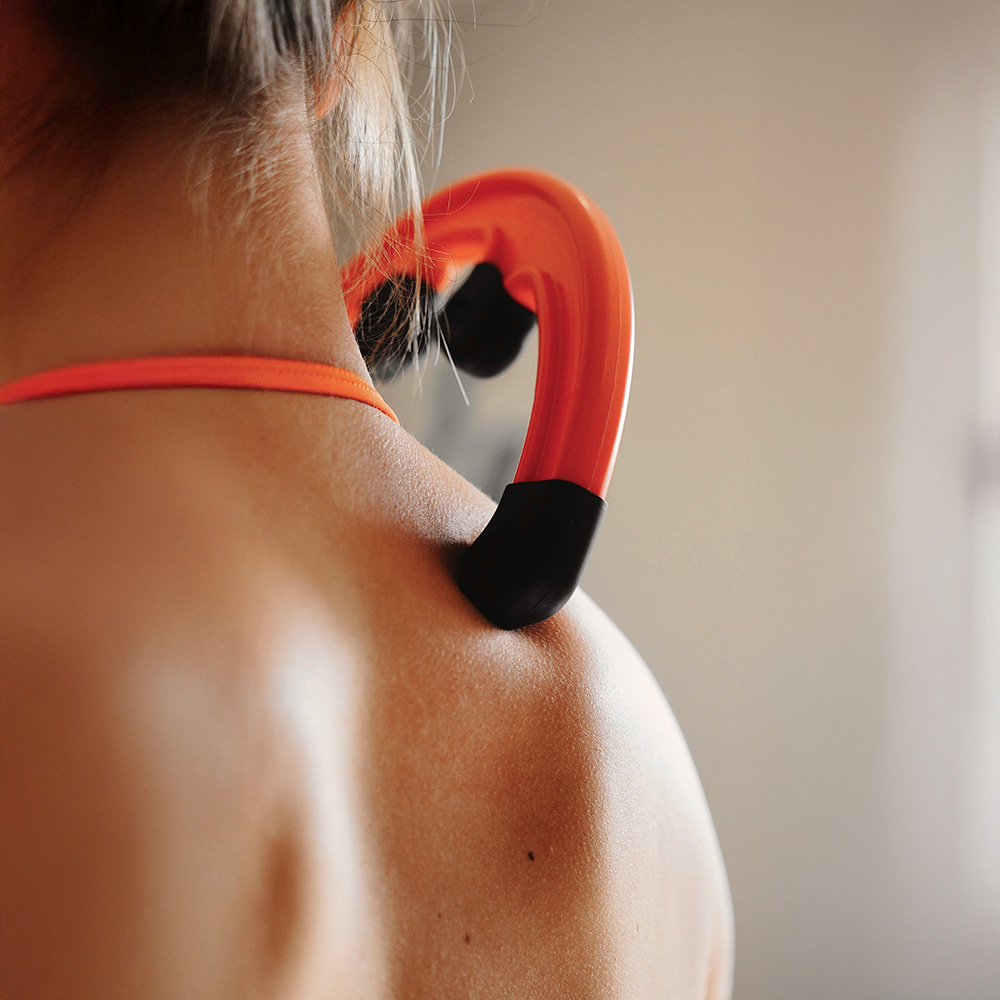
A trigger point deep in the upper trapezius is nearly impossible to reach with your own fingers — that’s exactly what the Tiger Cane™ Acupressure Massage Hook ($39.99) is engineered for. Its curved, ergonomic hook lets you apply precise, sustained pressure to hard-to-reach trigger point sites without straining your wrists or arms. Hold steady pressure on the knot for 20–30 seconds, release, and repeat 3 times per spot.
$39.99Select options
This product has multiple variants. The options may be chosen on the product page
3. Targeted Shoulder Massage Made Easy
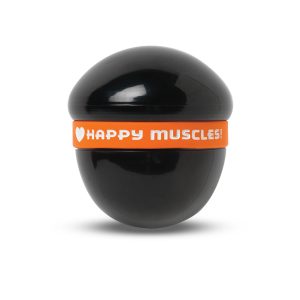
The Knotty Tiger® Pro ($22.99) delivers the deep, targeted pressure of a massage therapist’s elbow right into the palm of your hand. Ergonomically designed to lock onto stubborn knots and trigger points, it effortlessly rolls away shoulder tension and aches without wearing out your hands. It’s the ultimate, portable weapon for fast, hard-hitting shoulder pain relief.
4. Work the Surrounding Fascia with a Massage Stick
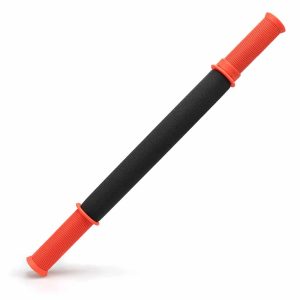
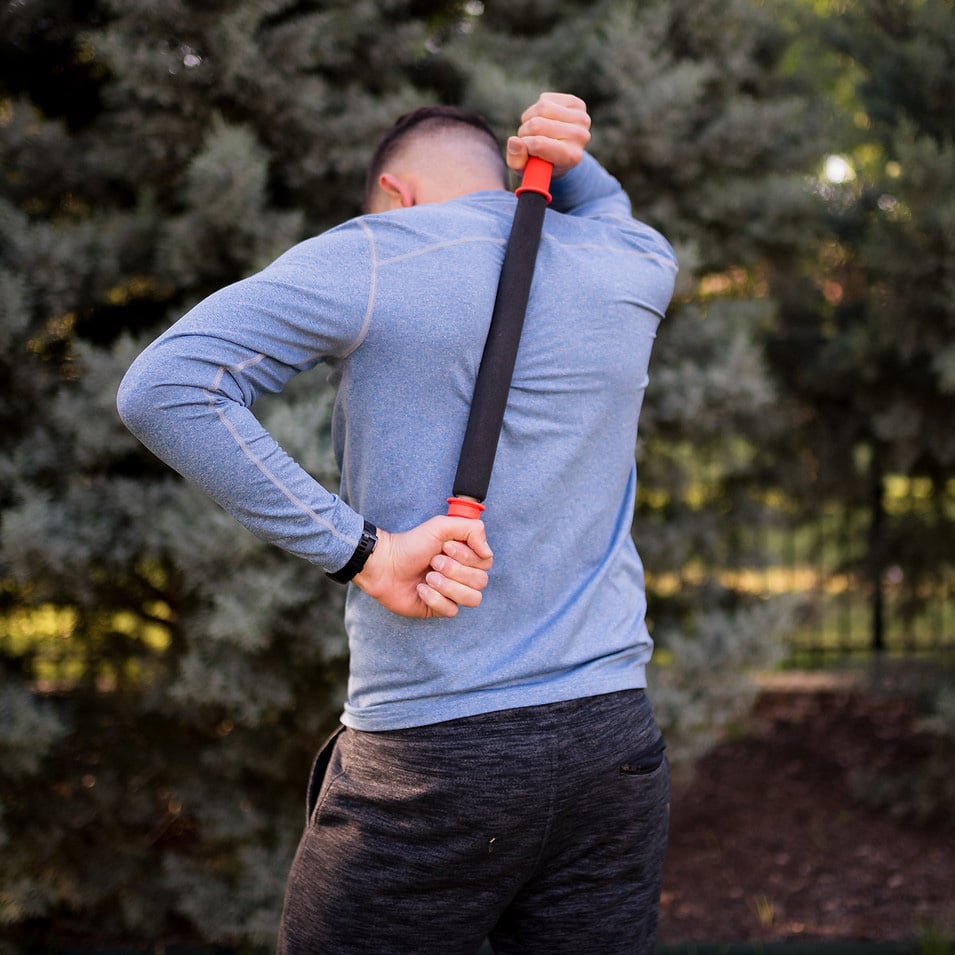
Myofascial release along the full length of a muscle — not just the knot itself — helps normalize tension across the entire shoulder girdle. The Original™ 18 Foam Roller Massage Stick ($39.99) applies consistent pressure while seated at a desk or after a workout. Use slow, overlapping strokes from the base of the neck out to the shoulder cap. Asking a buddy for help to roll your shoulder can go a long way.
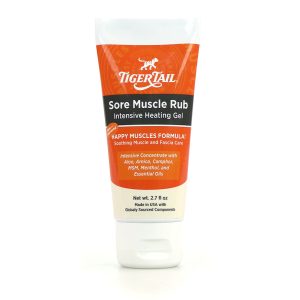
For stubborn knots, a stimulating topical can accelerate muscle tension relief by increasing local circulation before you begin manual work. Sore Muscle Rub – Intensive Heating Gel ($22.99) uses a warming formula to prime the tissue. Apply a small amount to the shoulder, let it absorb for 2–3 minutes, then follow with rolling or hook work for a noticeably more responsive session.
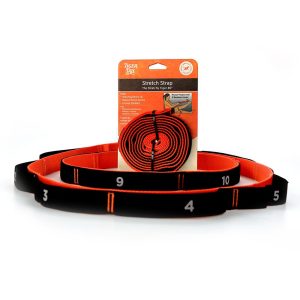
Releasing a knot in shoulder muscles is only half the job — restoring full range of motion prevents re-tightening. Gentle banded stretches for the chest, posterior shoulder, and neck help lengthen the muscles that were chronically shortened. The Stretchy Tiger – Yoga Stretch Strap ($19.99) allows you to progress safely as mobility improves.
How to Release a Tight Shoulder Knot with the Tiger Cane™ — Step-by-Step
This walkthrough targets the upper trapezius, the most common site for a knot in shoulder tissue.
Apply heat — drape the Hydro Hug® Hot Water Therapy Pillow over the shoulder for 10 minutes to soften the fascia.
Locate the trigger point — press gently along the muscle belly between your neck and shoulder tip until you find the spot that produces a familiar ache or referral sensation.
Hook and hold — position the Tiger Cane™ hook over the trigger point and apply firm but tolerable pressure (a 6–7 out of 10 discomfort scale).
Breathe deeply — take slow diaphragmatic breaths for 20–30 seconds while maintaining pressure; you should feel the tissue gradually soften.
Release and move — remove the hook and gently roll your shoulder in full circles 5 times in each direction.
Repeat — work 2–3 trigger point sites per session, no more than once daily on the same area.
Follow with stretching — use a resistance band or doorframe to perform a gentle cross-body shoulder stretch, holding 30 seconds per side.
Myofascial Release vs. Deep Tissue Massage: What's the Difference?
Myofascial release focuses on the connective tissue (fascia) that surrounds and interpenetrates every muscle. It uses sustained, low-load pressure to restore fascial glide. Deep tissue massage, by contrast, applies heavier force directly to muscle fibers to break up adhesions. Both are effective for a knot in shoulder tissue, but myofascial release is generally gentler and easier to self-administer with tools like the Tiger Cane™ or Bendy™ rollers. Research published by the National Institutes of Health supports myofascial release as a clinically meaningful intervention for upper-body trigger points.
When to See a Professional
Most shoulder knots resolve within a few days of consistent self-care. Seek medical evaluation if you experience numbness or tingling down the arm, weakness in the hand, fever alongside muscle pain, or pain that worsens after two weeks of home treatment. These may indicate nerve involvement or other conditions requiring professional diagnosis. The Physiopedia guide on myofascial trigger points offers a thorough clinical overview if you want to understand the underlying mechanism in more depth.
Consistency is the real secret to beating a stubborn knot in shoulder muscles. Five to ten minutes of daily heat, rolling, and stretching will outperform an occasional aggressive session every time. Start with the tools above, build a short routine, and most knots will be gone within a week.
Frequently Asked Questions
How long does a knot in shoulder take to go away?
Most shoulder knots resolve within 3–7 days with consistent daily treatment including heat, myofascial release, and stretching. Chronic or deeply embedded knots may take 2–3 weeks of regular self-care.
Should I massage a knot in my shoulder or leave it alone?
Gentle massage and sustained pressure on trigger points are generally safe and effective. Avoid aggressive or painful digging directly on the knot; instead, use moderate pressure, breathe deeply, and let the tissue release gradually.
Why does my shoulder knot keep coming back?
When a knot keeps returning to the exact same spot, it usually means rolling it out is only treating the symptom, while the underlying cause keeps triggering the muscle.
To stop the knot from returning, you have to pair tissue release with behavioral changes:
Release and Stretch: After using a tool like the Knotty Tiger to target the primary trigger points, immediately follow it up with gentle stretching (like gently pulling your ear to your shoulder) to lengthen the fibers you just relaxed.
Strengthen the Upper Back: Incorporate exercises like “Y-T-W” raises or resistance band pull-aparts to build strength in the muscles that stabilize your shoulder blades.
Check Your Workspace: Bring your screens up to eye level so your neck can rest in a neutral position, giving those upper back muscles a chance to fully relax.
Is heat or ice better for a shoulder knot?
Heat is generally preferred for muscle knots because it relaxes the tissue and improves blood flow. Ice is more appropriate immediately after acute injury. Use a hot water therapy pillow for 10–15 minutes before any rolling or stretching session.
Medical disclaimer: This article is for general informational and educational purposes only and is not a substitute for professional medical, veterinary, or fitness advice, diagnosis, or treatment. Always consult a qualified professional before starting a new exercise, recovery, or treatment program, or if you have any concerns about a health condition.
Safety disclaimer: Always read and follow the manufacturer’s instructions, warnings, and usage guidelines for any product or equipment mentioned here. Use tools and techniques as directed and within your own ability; start gently, stop if you feel pain or discomfort, and seek professional guidance if you are unsure. Improper or excessive use can result in injury.