Massage Sticks and Foam Rolling: What They Do, When to Use Them, and How to Start
Quick answer:
A massage stick is a handheld, rigid roller you steer with your arms to work sore, tight muscles. A foam roller sits on the floor and uses your body weight.
Use a stick for calves, thighs, shins, neck, and shoulders. Use a foam roller for big muscle groups like quads, hamstrings, glutes, and back.
Roll lightly before exercise to warm up, and slower and deeper afterward to ease soreness. Spend about 30 to 90 seconds per area.
Look for a firm core, a grippy cushioned cover, and a length that fits your needs. Tiger Tail’s Original 18 is a good place to start.
Stop and see a professional if you feel sharp or burning pain, numbness, or swelling.
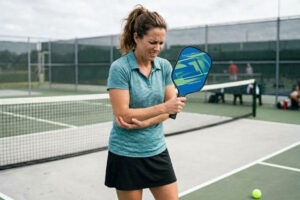
If your legs feel heavy after a run, your shoulders ache by 3 p.m., or your calves tighten every time you play pickleball, you don’t need a standing appointment with a massage therapist for relief. A massage stick and a foam roller let you work on sore, tight muscles yourself, at home, at the gym, or at your desk.
This guide covers what these tools are, what they do, when to use them, and a few simple exercises to try today.
What Is a Massage Stick?
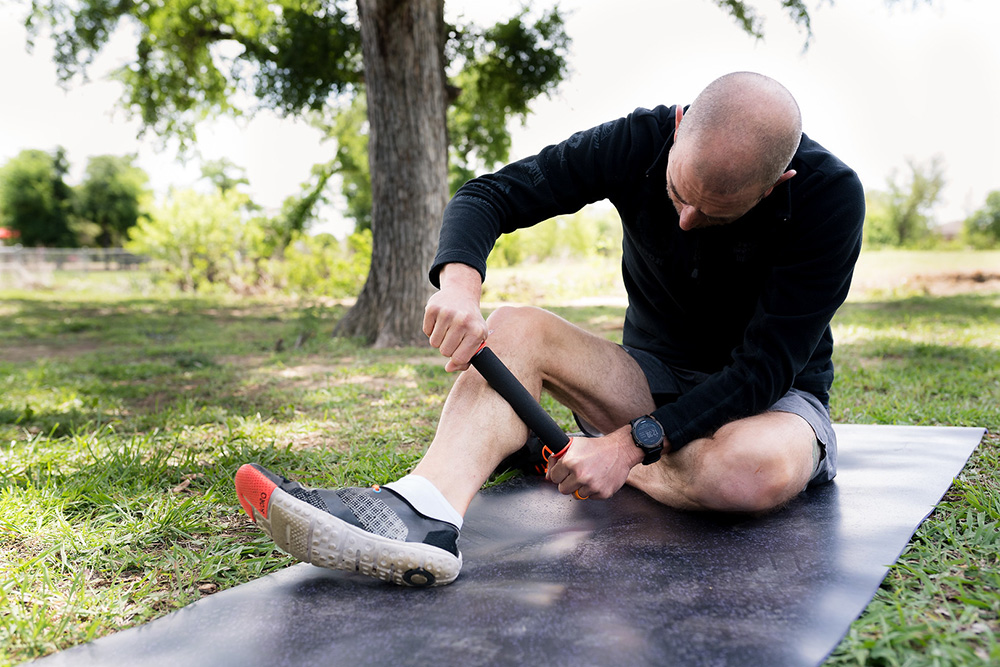
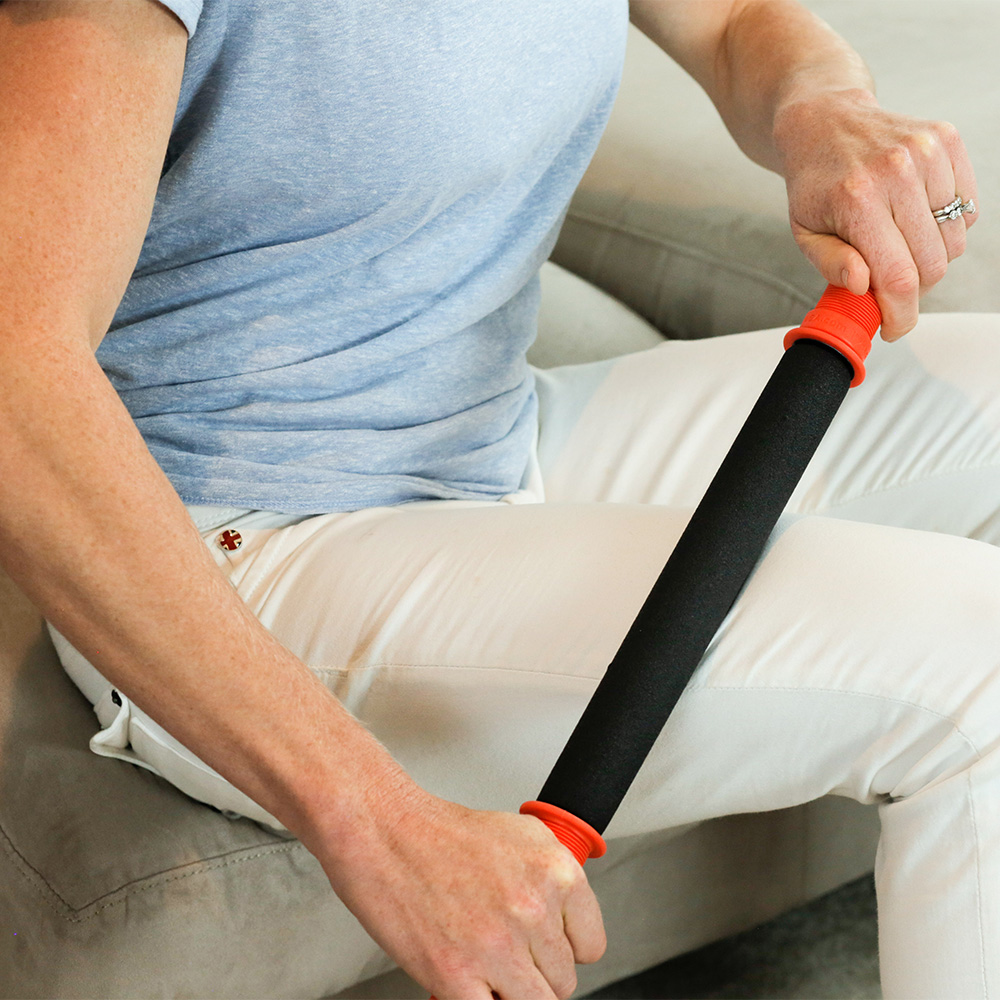
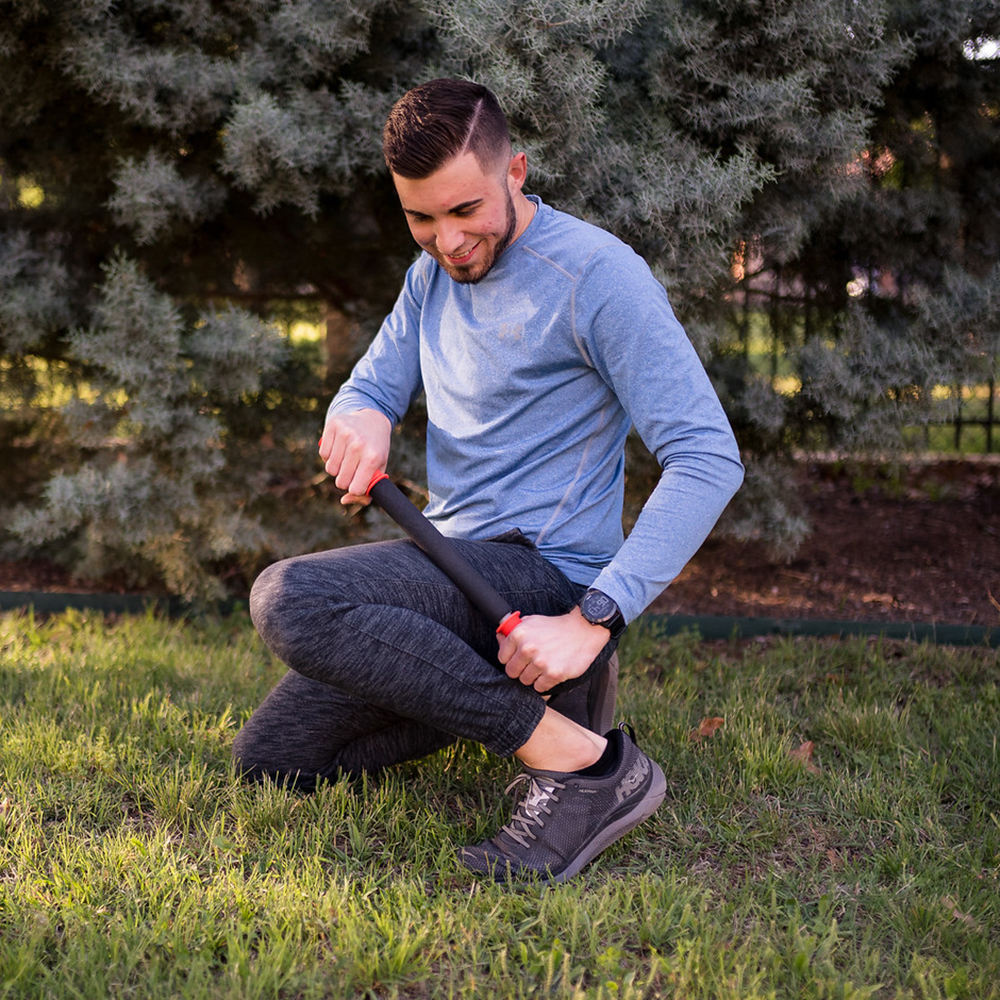
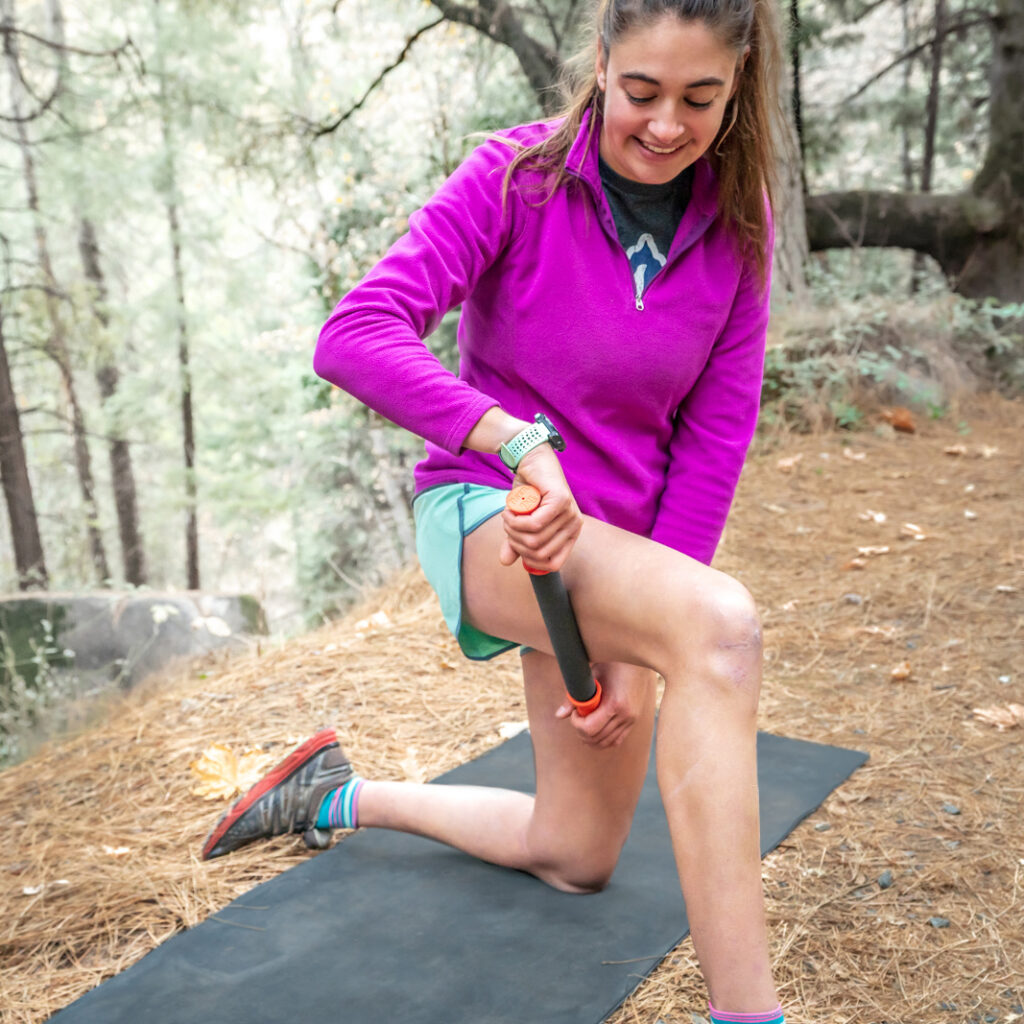
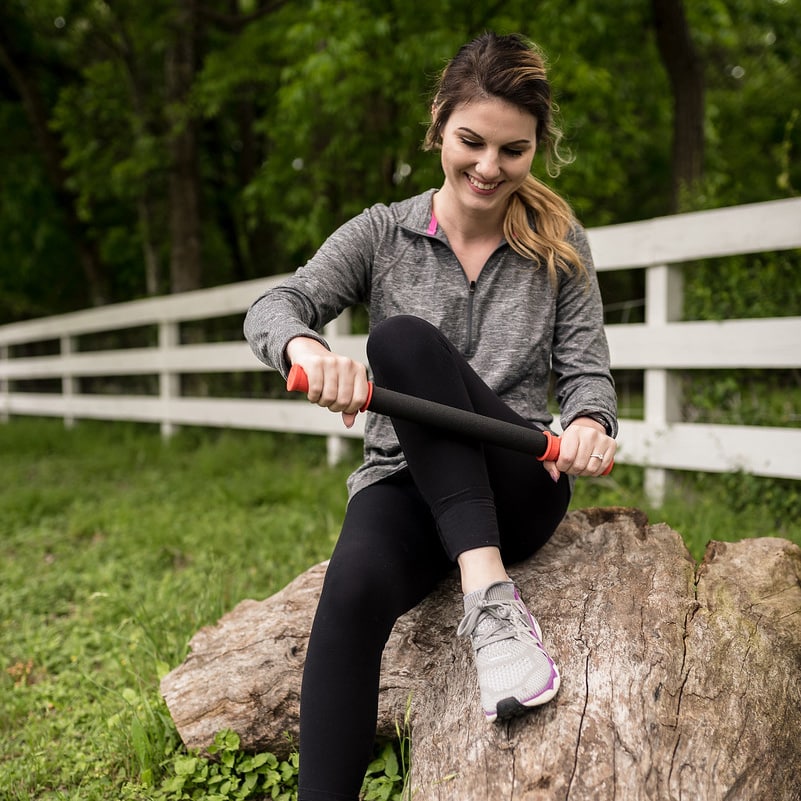
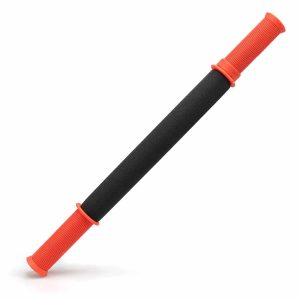
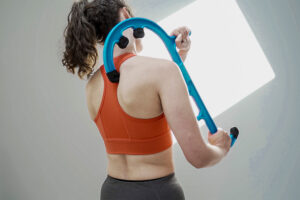
A massage stick (also called a muscle roller stick or handheld foam roller) is a long, rigid bar with a handle on each end and a cushioned rolling surface in the middle. You hold the handles and roll the stick over a muscle, using your arms to control the pressure. Think of it as a portable, controllable version of a massage therapist’s forearm.
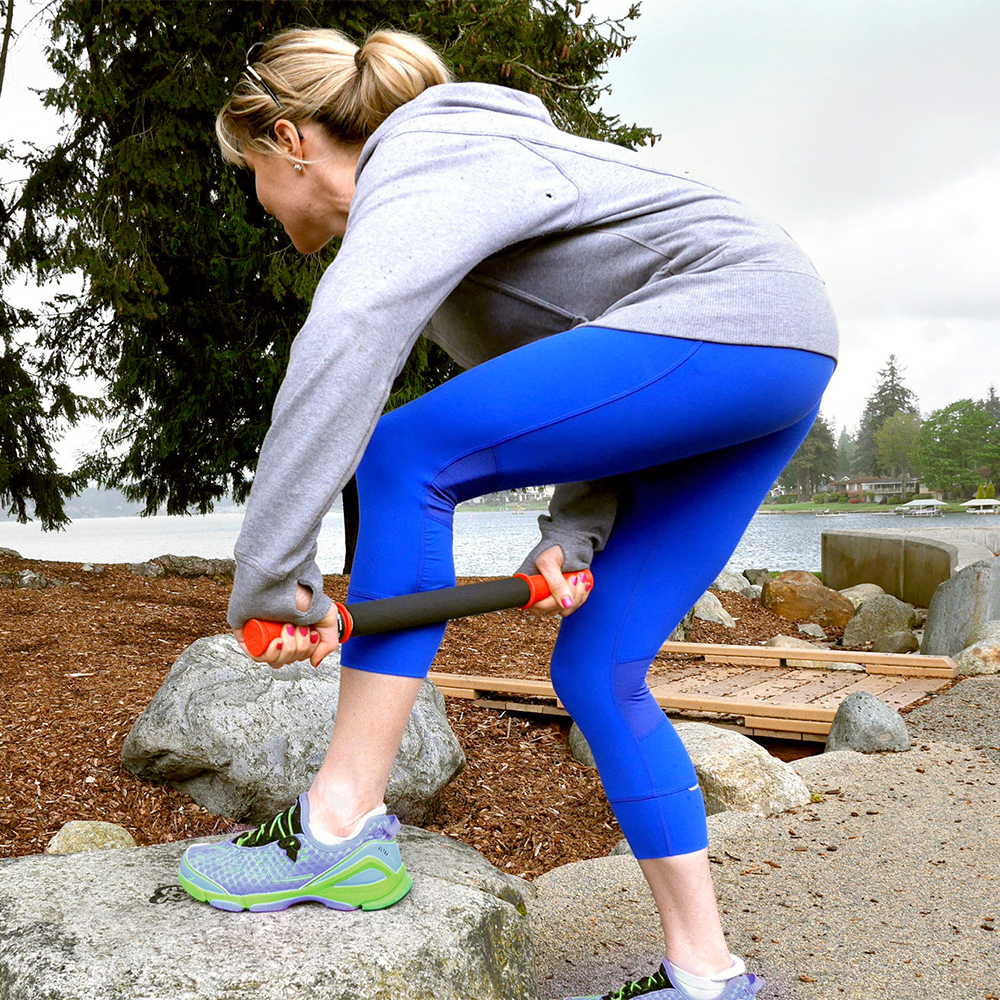
Because you steer it with your hands, a massage stick is easy to aim at specific muscles: calves, thighs, shins, neck, shoulders, and upper back. You can ease off over tender spots or lean in where you want more pressure, and you can use it sitting, standing, or even at your desk.
Tiger Tail created the original handheld foam roller, and we still make our massage sticks in the USA with medical-grade, latex-free materials.
What Is Foam Rolling?
Foam rolling is a form of self-massage, often called self-myofascial release. Instead of using a handheld tool, you place a foam cylinder on the floor, lie or sit on it, and use your body weight to roll over a muscle. It works well for large muscle groups like the quads, hamstrings, glutes, and back.
Massage sticks and foam rollers do the same basic job in different ways. Both apply pressure to muscle and the surrounding connective tissue (fascia) to help tight areas relax.
Massage Stick vs. Foam Roller: Which One Should You Use?
You don’t have to choose. Many people keep a massage stick in their gym bag or desk drawer for quick, targeted work and use a foam roller at home for bigger muscle groups. If you’re weighing these approaches against stretching, our guide to stretching vs. foam rolling explains how to combine them.
What Are the Benefits of Using a Massage Stick?
Regular self-massage can help you:
Ease muscle soreness and tightness after workouts or long days on your feet
Improve flexibility and range of motion, which makes it easier to warm up and move well
Work out muscle knots (those tender, tight spots that can ache or limit movement)
Support recovery so you feel better for your next workout
Take a stress break, since slow, steady rolling can help you relax
Research on self-massage suggests the biggest benefits are short-term gains in flexibility and less perceived soreness. A massage stick isn’t a cure for an injury, but it’s a simple habit that helps many athletes and everyday movers feel better.
What Areas of the Body Can You Use a Massage Stick On?
Most massage sticks are best for the muscles you can easily reach with your arms:
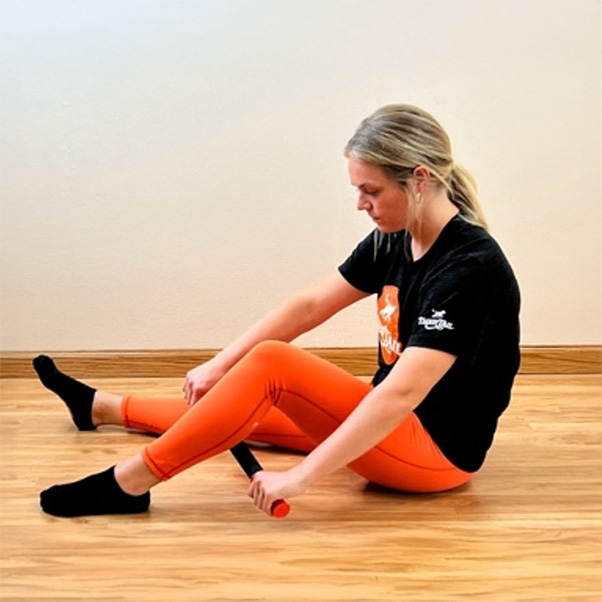
Calves. Tight calves are common for runners, hikers, and anyone who stands all day. See our step-by-step calf muscle knot release guide.
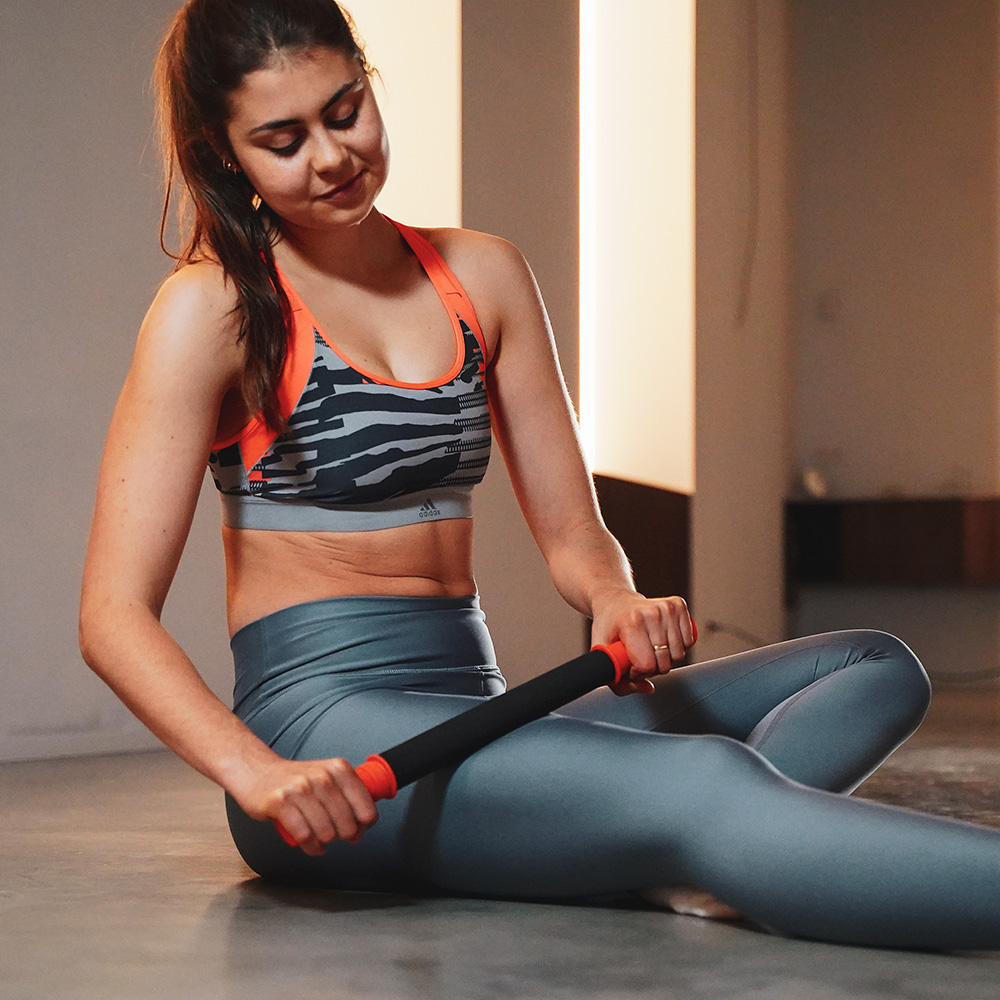
Quads and hamstrings. The front and back of the thighs respond well to long, slow strokes.
Outer thigh. Use lighter pressure along the outside of the thigh, where tension can build up from running and cycling.
Inner thigh (adductors). These muscles stabilize your legs and pelvis, and they’re often overlooked.
Shins. Rolling the muscle on the outside of the shin can help if your lower legs feel tight after running.
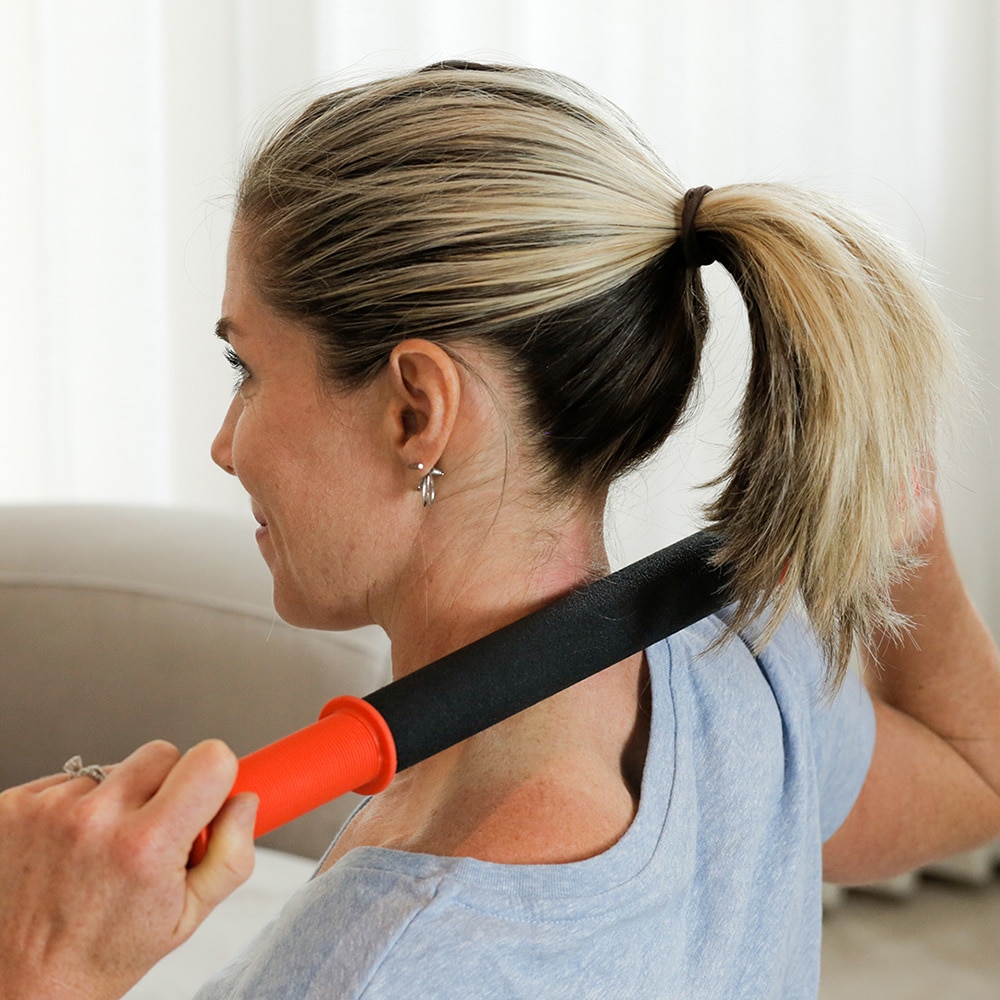
Neck, shoulders, and upper back. Rolling gently across the shoulders and upper traps can relieve desk-job tension. For spots you can’t reach with a stick, try a massage hook.
For feet, a small roller works better than a long stick. Tiger Tail’s foot rollers are designed for that job.
When Is the Best Time to Use a Massage Stick?
Before exercise. Use a light touch and a quick pace for 30 to 60 seconds per area to wake up your muscles. Skip the deep, sustained pressure for now.
After exercise. Once you’re warm, slow down and spend more time on tight spots. This is a good moment to work on sore legs after a run or a game.
On rest days. Gentle rolling can ease stiffness and keep you moving comfortably between hard sessions.
Anytime during the day. Stuck at a desk? A few minutes of rolling on your calves, thighs, or shoulders can break up the stiffness from sitting.
How to Use a Massage Stick: 5 Simple Exercises
General tips: Roll slowly, breathe normally, and use the pressure level that feels like “good hurt,” not sharp pain. Spend about 30 to 90 seconds on each area. Never roll directly over bones, joints, or areas that are bruised, swollen, or injured. Our How to Roll page has more techniques.
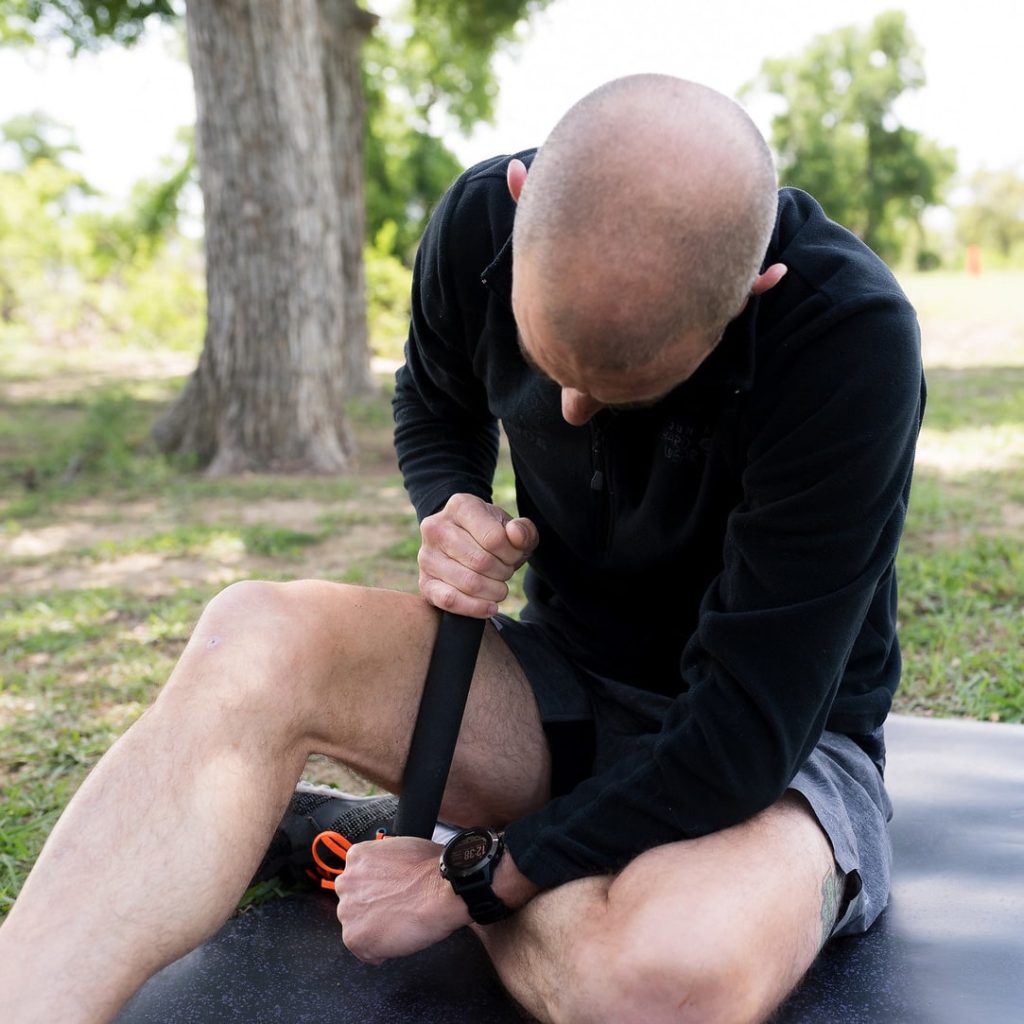
Calf roll. Sit with one leg extended. Place the stick under your calf and roll from just above the ankle to just below the knee. Pause on tender spots.
Quad roll. Sit or stand and roll the stick up and down the front of your thigh. Keep the stick in the fleshy part of the muscle and avoid the kneecap.
Hamstring roll. Sit in a chair, place the stick on the back of your thigh, and press down with your hands as you roll from the knee toward the hip.
Shin roll. Sit and roll the stick along the muscle on the outside of your shin, using light pressure. Keep it off the bony edge.
Shoulder and upper back roll. Hold the stick behind you, or have a friend help, and roll across the tops of your shoulders and upper back. Use light pressure here.
How Do You Choose a Massage Stick?
Tiger Tail offers several options, but many people begin with the Original 18.
A flexible option for a gentler massage that contours to your muscles. Available in 15, 18, and 22 inches.
When Should You See a Professional?
Self-massage should feel like a deep, dull ache that fades soon after you finish. Stop rolling and talk to a doctor or physical therapist if you notice:
Sharp, stabbing, or burning pain
Numbness or tingling
Pain that lasts for days or gets worse
Swelling, bruising, or pain after an injury.
Note: A massage stick is a self-care tool, not a substitute for medical care.
Add a Massage Stick to Your Recovery Routine
Whether you run, lift, play pickleball, or sit at a desk all day, a massage stick is one of the easiest ways to care for your muscles. Browse Tiger Tail’s full line of massage sticks and muscle rollers to find the right fit, and explore more tips on the Happy Muscles blog.
Frequently Asked Questions
Are massage sticks worth it?
For many people, yes. A massage stick is inexpensive, portable, and lets you work on tight muscles on your own schedule, so you’ll use it more often than a tool you have to set up.
How often should I use a massage stick?
Most people do well with a few minutes a day, or after every workout. Listen to your body and back off if an area feels bruised or sore.
Can a massage stick help with muscle knots?
Rolling can help tight spots relax, which is why many people use a stick on knotted muscles. Go slowly and avoid pressing so hard that you cause pain.
Should I use a massage stick before or after a workout?
Both work. Use light, quick strokes beforehand to warm up, and slower, deeper strokes afterward to ease soreness.
What's the difference between a massage stick and a foam roller?
You hold a massage stick in your hands, so it’s easy to aim and control. A foam roller sits on the floor, and you roll your body weight over it. Many people use both.
Medical disclaimer: This article is for general informational and educational purposes only and is not a substitute for professional medical, veterinary, or fitness advice, diagnosis, or treatment. Always consult a qualified professional before starting a new exercise, recovery, or treatment program, or if you have any concerns about a health condition.
Safety disclaimer: Always read and follow the manufacturer’s instructions, warnings, and usage guidelines for any product or equipment mentioned here. Use tools and techniques as directed and within your own ability; start gently, stop if you feel pain or discomfort, and seek professional guidance if you are unsure. Improper or excessive use can result in injury.