

Stretch vs. Foam Roll: Decoding the Ultimate Recovery Debate for Better Movement
Quick answer: Foam rolling and stretching are not rivals—they are complementary recovery tools. Foam rolling (self-myofascial release) works neurologically to decrease muscle soreness (DOMS), down-regulate tension, and increase blood flow. Stretching lengthens muscle-tendon units to improve joint mobility and long-term flexibility. For best results, use a handheld roller or foam roller before exercise to prime tissue, or immediately after exercise followed by static stretching to maximize flexibility and speed up recovery.
When you step off the turf, finish a grueling shift on your feet, or wrap up a long desk session, your body tells a very clear story: tightness. Naturally, you reach for a quick fix. For decades, the default prescription has been simple: drop to the floor and stretch. More recently, foam rollers and handheld massage tools have become gym-bag essentials. But do you actually need both? Is one objectively better than the other?
Let’s look past the fitness myths and break down the science of stretching vs. foam rolling, how they work differently, who they’re truly for, and how to combine them for peak performance and recovery.
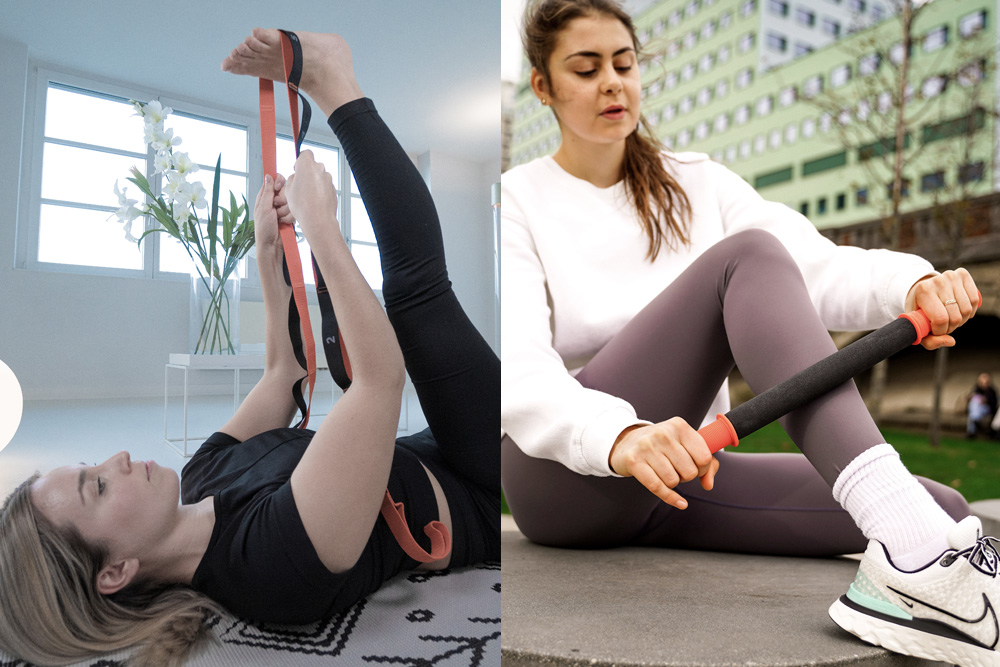
Foam Rolling: The Neurological Reset & Tissue Quality Expert
Foam rolling—often categorized as a form of self-myofascial release or compression—targets the fascia, the web of connective tissue wrapping your muscles.
How It Works
When you roll, you apply direct pressure to the muscle tissue. Research shows foam rolling works primarily through a neurological mechanism: pressure signals your nervous system to downregulate tension, reducing pain sensitivity and increasing local blood flow.
Key Benefits
- Reduces Muscle Soreness: Studies consistently show that foam rolling helps reduce delayed-onset muscle soreness (DOMS) in the 24 to 72 hours post exercise.
- Acutely Boosts Range of Motion: Rolling increases joint flexibility and range of motion without the temporary strength-loss risks sometimes associated with pre-workout static stretching.
- Flushes and Restores: By enhancing circulation, rolling helps deliver vital nutrients and oxygen back into tired tissue.
Who It’s For
Foam rolling is ideal for athletes, desk workers with chronic tight spots (like overworked quads or hip flexors), and anyone who wants a fast, versatile way to shake off stiffness.
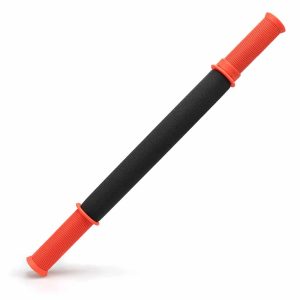
To experience targeted relief without needing to get down on the floor, check out The Original 18 Foam Roller Massage Stick ($39.99)
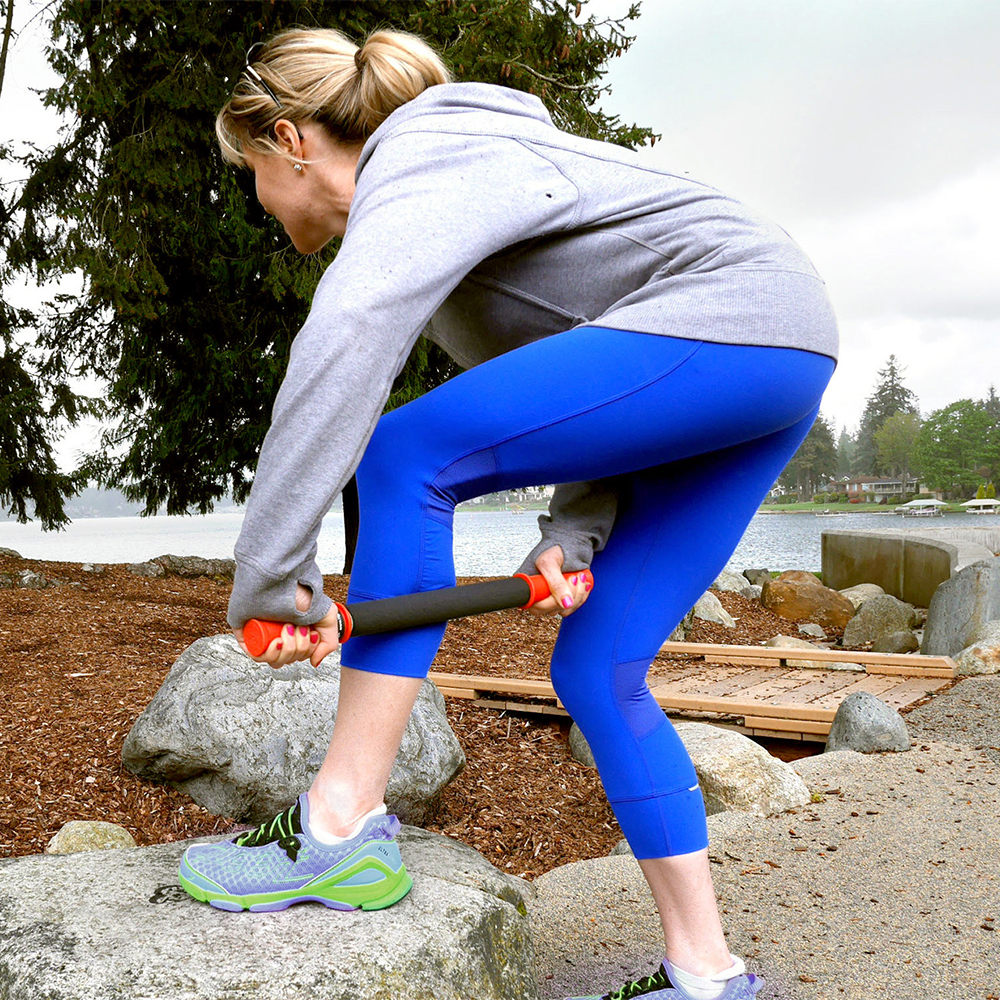
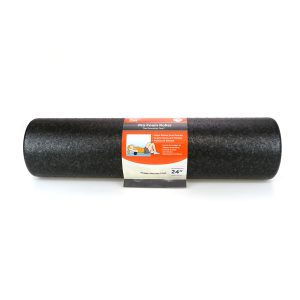
If you prefer classic foam rolling, The Essential One 24″ Foam Roller ($39.99) provides robust density for full-body fascia care.
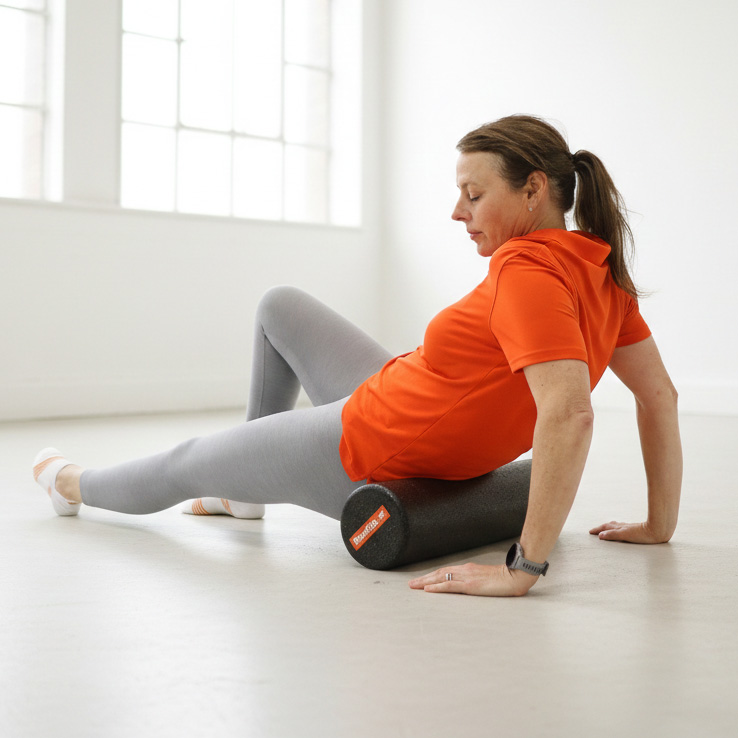
Stretching: The Length and Flexibility Builder
Stretching is the classic method for lengthening muscle-tendon units and improving overall joint mobility. However, how you stretch matters immensely.
Static vs. Dynamic Stretching
- Static Stretching (holding a position for 20–60 seconds) elongates the tissue over time. Research shows that static stretching before a heavy workout can actually reduce explosive power and strength. However, static stretching after exercise, when muscles are warm, is fantastic for building long-term flexibility.
- Dynamic Stretching (moving controlled through a full range of motion, like leg swings or arm circles) is the gold standard for pre-workout warm-ups, waking up neural pathways without hurting performance.
Key Benefits
- Lasting Flexibility Gains: Consistent post-workout static stretching physically adapts tissue and joint architecture, improving long-term flexibility.
- Improved Movement Efficiency: Regular stretching helps joints move through their full, intended arcs and prevents compensatory movement patterns.
Who It’s For
Stretching is for anyone looking to build long-term structural mobility—from runners and weightlifters to yoga practitioners and older adults trying to maintain functional independence.
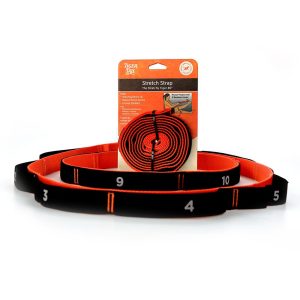
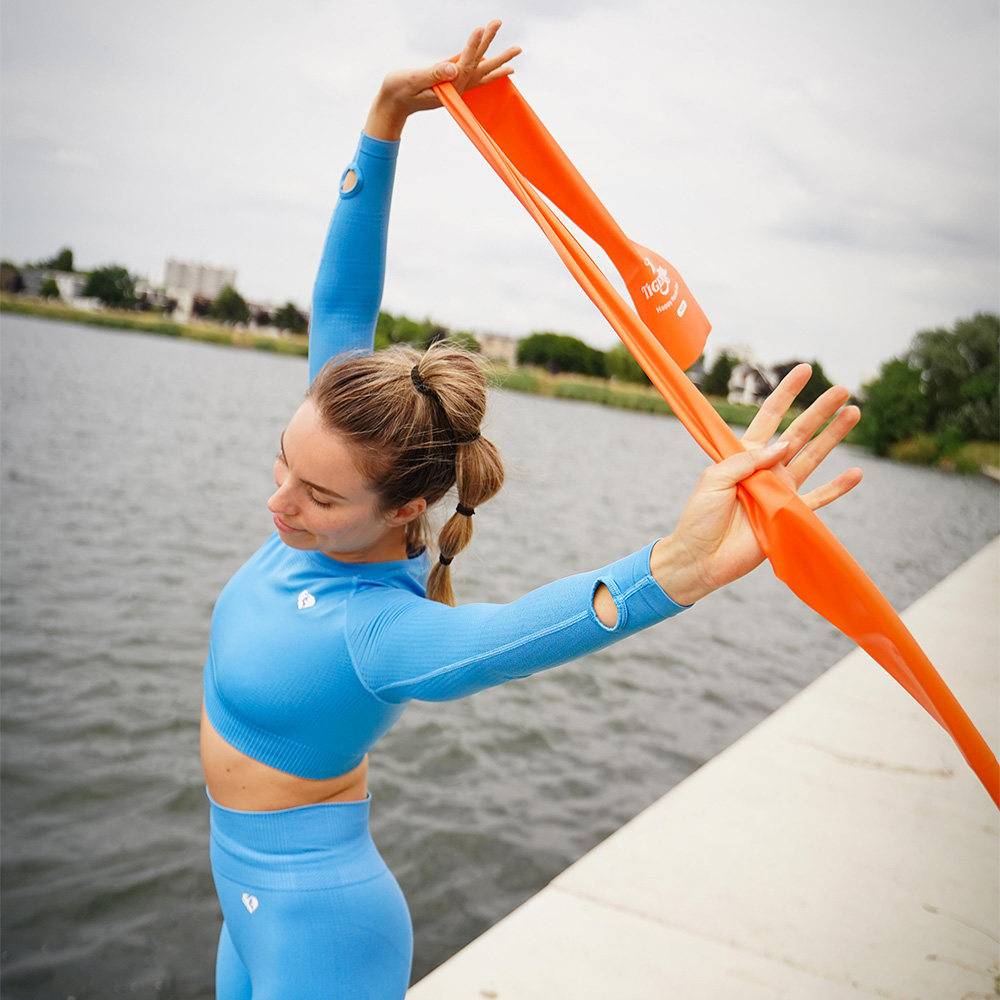
Using dedicated tools like The Stretchy Tiger 80 Stretch Band ($19.99) can help you safely deepen stretches and control your range of motion.
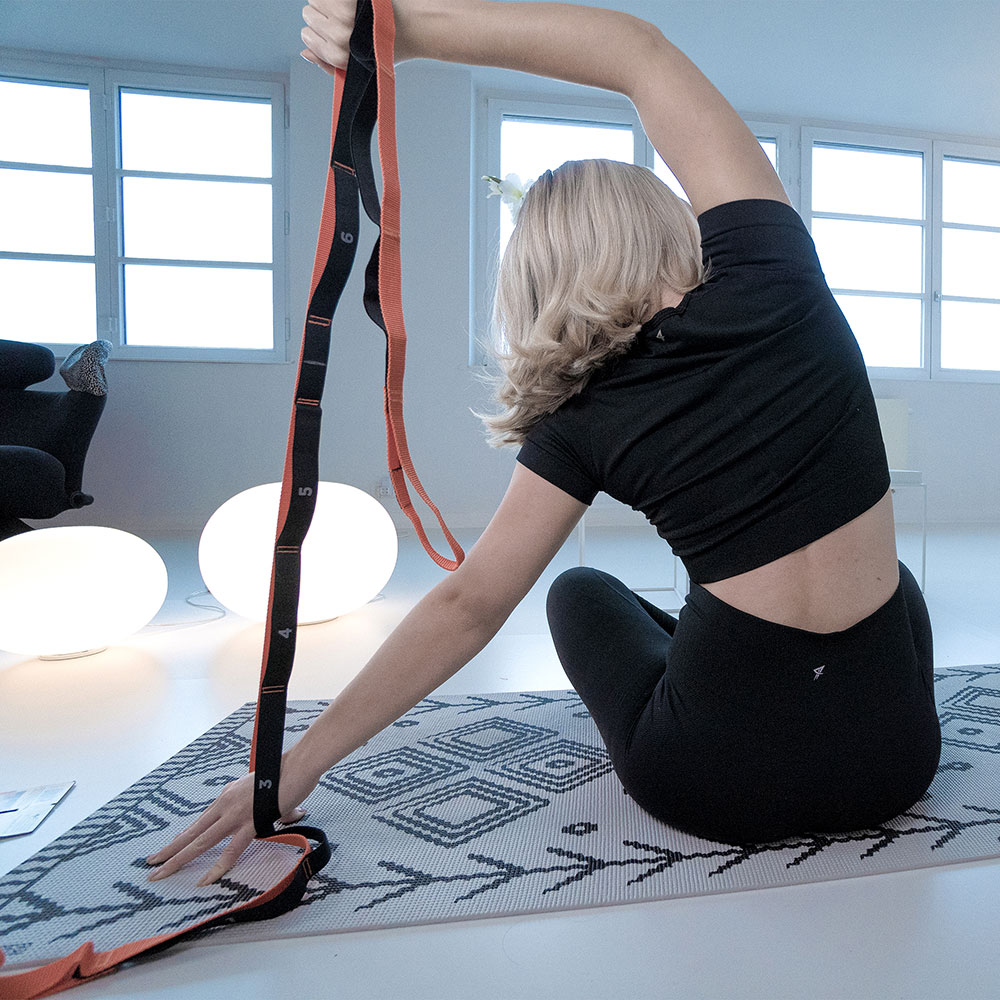
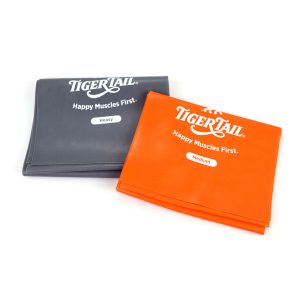
Leveraging specialized mobility tools, such as The Resistance Bands 2-Pack ($14.99), can help you build strength and safely support targeted mobility exercises.
Head-to-Head: The Verdict
| Feature | Foam Rolling | Stretching |
| Primary Target | Nervous system sensitivity & fascia | Muscle-tendon length & joint range |
| Best Timing | Pre-workout (quick rollout) or Post-workout | Dynamic before; Static after |
| Main Advantage | Rapid reduction in soreness & ease of targeted relief | Sustained structural flexibility |
The science points to a clear conclusion: use stretching and rolling together for maximum results.
A landmark study in Frontiers in Physiology evaluated recovery protocols and found that combining foam rolling and stretching improved flexibility and reduced soreness more than either method alone. Foam rolling dials down nervous system tension and increases local blood flow, effectively “prepping” the tissue so subsequent stretching feels more comfortable and works more deeply.
Build Your Routine: The Smart Recovery Blueprint
- Pre-Activity Warm-Up (5 Minutes): Skip heavy static stretching. Instead, use a handheld foam roller or massage tool like The Original 18 Foam Roller Massage Stick to quickly wake up major muscle groups (calves, quads, upper back), followed by dynamic movements.
- Post-Activity Cool-Down (10–15 Minutes): Start with a thorough session on The Essential One 24″ Foam Roller to break the cycle of acute tension and boost circulation. Follow it immediately with static stretching using The Stretchy Tiger 80 while your muscles are warm to lock in flexibility gains.
Frequently Asked Questions
Can foam rolling replace stretching entirely?
No. While foam rolling reduces muscle tension and acutely improves range of motion by calming the nervous system, it doesn’t physically elongate muscle-tendon units the way sustained static stretching does. The best results come from combining both practices.
Should I foam roll before or after my workout?
Both! Rolling before a workout (1–2 minutes per muscle group) acts as a neural wake-up call, increasing circulation without decreasing power output. Rolling after a workout helps reduce post-exercise muscle soreness (DOMS) and flushes out metabolic waste.
Is static stretching bad before a workout?
Holding static stretches for long periods (over 60 seconds) right before explosive exercise can temporarily reduce muscle force production and power output. Instead, stick to dynamic stretching or quick foam rolling pre-workout, and save static stretching for your cool-down.
Why does foam rolling feel painful, and should I roll through severe pain?
Foam rolling stimulates pressure receptors and trigger points in tight or sensitive tissue. Mild discomfort, or “good pain,” is normal, but intense or sharp pain triggers a defensive contraction in your nervous system. Roll gently and stop if you feel sharp, joint, or bone-related pain.
How long should I stretch or roll each muscle group?
For foam rolling, 30 to 60 seconds per muscle group is usually sufficient to release acute tension. For post-workout static stretching, hold each stretch for 20 to 30 seconds and repeat 2–3 times per target area.
Medical disclaimer: This article is for general informational and educational purposes only and is not a substitute for professional medical, veterinary, or fitness advice, diagnosis, or treatment. Always consult a qualified professional before starting a new exercise, recovery, or treatment program, or if you have any concerns about a health condition.
Safety disclaimer: Always read and follow the manufacturer’s instructions, warnings, and usage guidelines for any product or equipment mentioned here. Use tools and techniques as directed and within your own ability; start gently, stop if you feel pain or discomfort, and seek professional guidance if you are unsure. Improper or excessive use can result in injury.